Deep-sea Vent
Deep-sea vents, also known as hydrothermal vents, are typically found in areas of active tectonics, particularly along oceanic ridges where new oceanic crust…
Where are deep-sea vents typically found in the ocean?
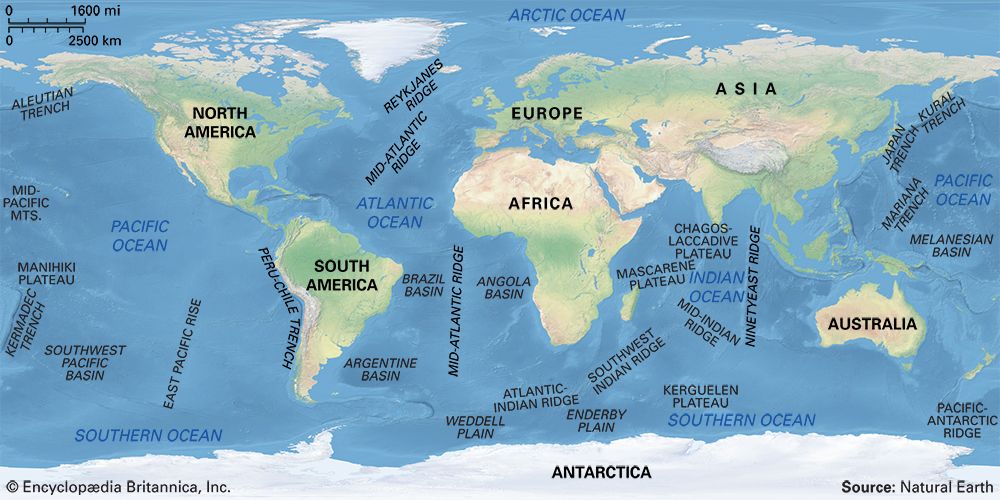
Deep-sea vents, also known as hydrothermal vents, are typically found in areas of active tectonics, particularly along oceanic ridges where new oceanic crust is being formed through seafloor spreading. They are also commonly located on submarine volcanoes.12
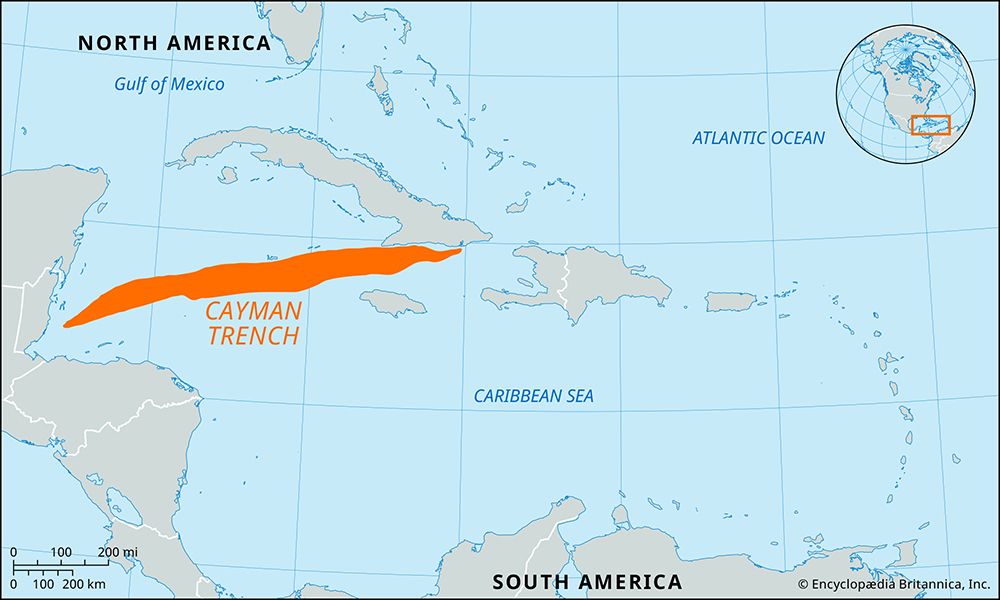
These vents form when cold seawater percolates into the crust, is heated by underlying volcanic activity, and returns to the seafloor as a mineral-rich discharge. Because they are associated with these geologically active zones, they are frequently found along the axes of neovolcanic zones. While many are located along spreading ridges, they can also be found in other deep-sea features, such as the Cayman Trench.13
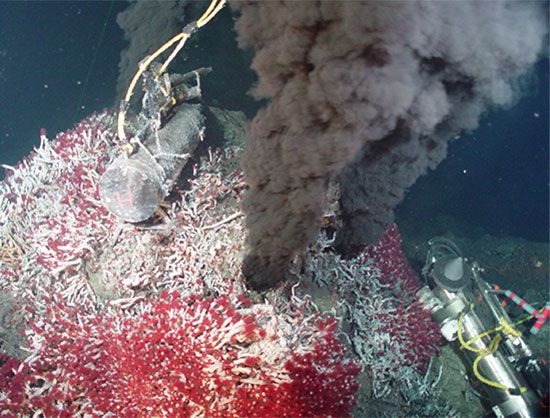
These environments are notable for supporting unique ecosystems that rely on chemosynthesis rather than sunlight.132
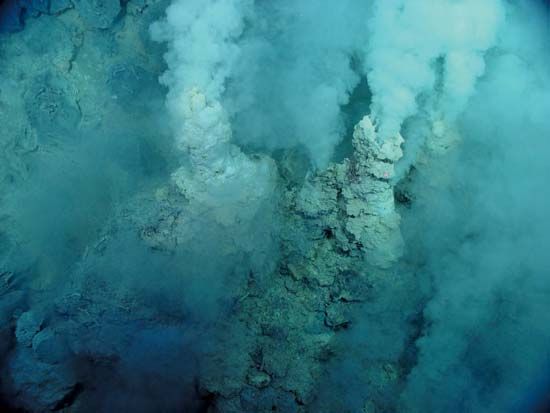
What role do deep-sea vents play in the Earth’s heat transfer system?
Deep-sea vents play a significant role in the Earth’s thermal regulation by acting as a primary mechanism for heat dissipation from the planet’s interior. As seawater percolates into the hot oceanic crust through fissures, it absorbs thermal energy from the underlying volcanic activity. This heated water then returns to the seafloor in concentrated, pipe-like flows.12
The outflow of these heated waters is estimated to account for approximately 20 percent of the Earth’s total heat loss. By facilitating this transfer of heat from the crust into the ocean, these vents serve as a critical cooling system for the planet’s lithosphere, particularly along oceanic ridges and neovolcanic zones where new crust is actively forming.12
How do deep-sea vents compare to hydrothermal vents found on land?
The term “hydrothermal vent” is used to describe both deep-sea and terrestrial systems, but they differ significantly in their environmental context and biological foundations.
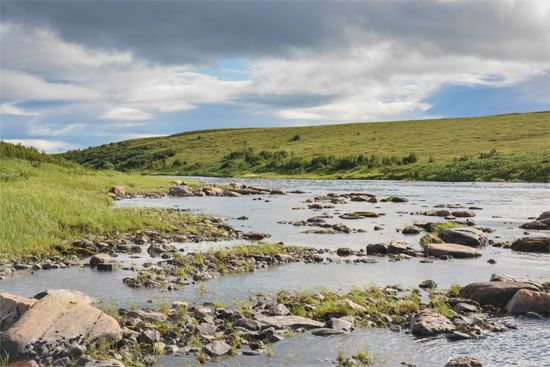
Deep-sea vents, or deep-sea vents, occur on the ocean floor where seawater circulates through hot volcanic rocks, often at depths reaching 5 km. These environments are defined by extreme hydrostatic pressure, which is absent in terrestrial settings. While terrestrial hydrothermal features—such as hot springs or geysers—are driven by geothermal heating of groundwater, deep-sea vents are unique for their role in global heat dissipation, accounting for approximately 20 percent of Earth’s total heat loss.146
Biologically, deep-sea vent ecosystems are entirely independent of sunlight, relying on chemosynthesis by sulfur-fixing bacteria to support complex communities of organisms. In contrast, terrestrial hydrothermal systems are typically integrated into surface ecosystems that rely on photosynthesis.12
How do deep-sea vents contribute to the formation of mineral deposits on the ocean floor?
Deep-sea vents contribute to the formation of mineral deposits through a process where seawater penetrates the oceanic crust and is heated by underlying magma chambers. As this water circulates, it reacts with the surrounding volcanic rocks, leaching and concentrating geochemically scarce metals to create a hot, mineral-laden hydrothermal solution.781
When this solution erupts onto the cold seafloor, the sudden drop in temperature causes the dissolved metals to precipitate rapidly. This process forms volcanogenic massive sulfide (VMS) deposits, which are rich in iron, copper, zinc, and other valuable elements like gold and silver. These deposits are primarily found along oceanic ridges and in back-arc basins, where they accumulate as metallic crusts and sulfide ores. While these sites are of significant economic interest, the challenges of deep-sea mining technology and environmental management have limited their commercial development.789
Sources
- deep-sea vent — Encyclopædia Britannica
- oceanic ridge - Hydrothermal vents — Encyclopædia Britannica
- plate tectonics - Seafloor spreading — Encyclopædia Britannica
- Marine ecosystem - Organisms of the deep-sea vents — Encyclopædia Britannica
- Mid-Atlantic Ridge — Encyclopædia Britannica
- Biosphere - Hydrostatic pressure — Encyclopædia Britannica
- mineral deposit - Volcanogenic massive sulfides — Encyclopædia Britannica
- Pacific Ocean - Deep-sea minerals — Encyclopædia Britannica
- hydrothermal mineral deposit — Encyclopædia Britannica
- igneous rock - Pegmatites and late-stage mineralization — Encyclopædia Britannica
Published on · 3 min read