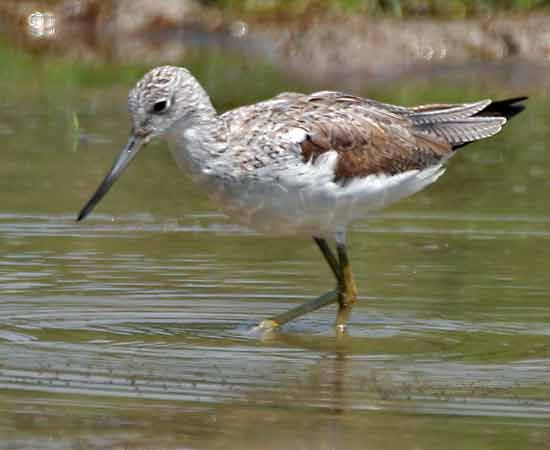
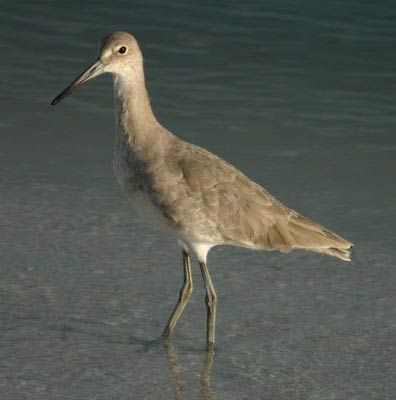
Godwit
Godwits are large shorebirds belonging to the genus Limosa that are characterized by their long, slender bills, which may be either straight or slightly…
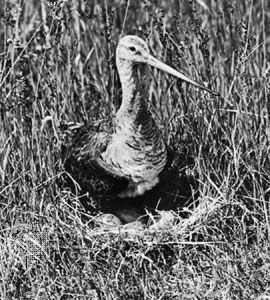
What are the distinctive physical characteristics of godwits?
Godwits are large shorebirds belonging to the genus Limosa that are characterized by their long, slender bills, which may be either straight or slightly upturned.12
Their physical appearance often shifts with the seasons, as they are generally reddish brown during the summer and transition to a grayish plumage in the winter. However, some species, such as the marbled godwit, exhibit little seasonal color change. Depending on the specific species, other notable features include:1
- Black-tailed godwit: Features a distinctive black-banded, white tail and a long, straight bill.1
- Marbled godwit: Distinguished by its slightly upturned bill and pinkish brown underwings.1
These birds are part of the family Scolopacidae and are known for their impressive migratory capabilities, with some subspecies capable of flying nonstop across vast distances.1
Where are godwits typically found, and what are their primary habitats?
Godwits are found throughout the Northern Hemisphere, where all four species nest. Their primary habitats are diverse, ranging from wet plains to tundra environments depending on the species.1
Specific habitat distributions include:
- Black-tailed godwit: Breeds in Iceland and across wet plains throughout Eurasia.1
- Bar-tailed godwit: Primarily inhabits the Eurasian and Alaskan tundra.1
These birds are highly migratory, with some populations traveling vast distances between their breeding grounds and wintering locations, such as the journey made by the bar-tailed godwit from Alaska to New Zealand.1
How many species of godwits are there, and what are their conservation statuses?
There are four recognized species of godwits within the genus Limosa. While the provided information does not offer a comprehensive list of current conservation statuses for all four, it notes the following regarding their population trends:
- Hudsonian godwit (L. haemastica): This species experienced a significant population decline due to overshooting, dropping to an estimated 2,000 survivors, though there are indications that the population may be reviving.1
- Marbled godwit (L. fedoa): This species is considered fairly common.1
- Black-tailed godwit (L. limosa) and Bar-tailed godwit (L. lapponica): Specific conservation status data for these two species is not provided in the current knowledge base.1
Because the available data is limited regarding the formal conservation status of all four species, I cannot provide a complete assessment for the black-tailed or bar-tailed varieties.
How do godwits use their long bills to find food?
Godwits are classified as long-billed waders, a group of shorebirds that utilize their specialized bills to probe for food. By inserting their long, straight or slightly upturned bills into soft ground or mud, they are able to reach and extract worms and other invertebrates hidden beneath the surface.13
This probing behavior is a primary feeding strategy for the genus Limosa, allowing them to access food sources that are inaccessible to birds with shorter bills. While the specific mechanics of their sensory perception during this process are not detailed in the provided text, this method of foraging is characteristic of their ecological niche as waders.13
Sources
- Godwit — Encyclopædia Britannica
- godwit — Merriam-Webster
- Bird - Feeding habits — Encyclopædia Britannica
Published on · 2 min read