Goldenseal
Goldenseal (Hydrastis canadensis) is a perennial herb native to the woodlands of the eastern United States. It is characterized by large leaves, a single…
What is goldenseal?
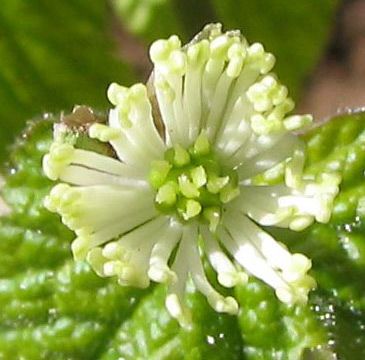
Goldenseal (Hydrastis canadensis) is a perennial herb native to the woodlands of the eastern United States. It is characterized by large leaves, a single greenish-white flower, and a cluster of small red berries.12
The plant is perhaps best known for its thick, knotted yellow rhizome (rootstock), which is harvested commercially for its medicinal properties. This rootstock contains the alkaloid hydrastine. While some authorities classify goldenseal within the buttercup family (Ranunculaceae), others place it in its own distinct family, Hydrastidae. Beyond its commercial use, it is occasionally cultivated in shaded wild gardens.12
What are alkaloids and how do they function in plants?
Alkaloids are a diverse class of naturally occurring organic compounds that contain nitrogen and typically act as bases in chemical reactions. Found primarily in plants—particularly in families such as the poppy (Papaveraceae), buttercups (Ranunculaceae), and nightshades—these substances are characterized by their bitter taste and complex chemical structures, often featuring nitrogen atoms within a cyclic system.3
While the exact biological role of alkaloids in plants remains a subject of scientific study, they are not merely metabolic waste products. Evidence suggests they serve several potential functions:3
- Defense: Alkaloids may protect plants from destruction by certain insect species. Similarly, the bitter taste of some compounds, including steroid alkaloids, may deter grazing animals.34
- Reproduction: In some species, alkaloid concentrations increase prior to seed formation and decrease once the seed is ripe, indicating a possible role in reproductive development.3
- Ecological Interaction: Some compounds may attract specific insects to the plant.4
Why is goldenseal considered an endangered or threatened species?
The provided information does not contain details regarding the conservation status of goldenseal. Therefore, I cannot explain why it is considered an endangered or threatened species based on the available data.
What are some other medicinal plants native to North America?
North America is home to a diverse array of plants with significant medicinal histories and applications. Beyond those already mentioned, several notable species include:
- American Ginseng (Panax quinquefolius): Native to regions from Quebec and Manitoba south to the Gulf of Mexico, this perennial herb is highly valued in traditional medicine. It is often used for its potential to improve mental performance, learning, memory, and sensory awareness.5
- Echinacea (Echinacea angustifolia): Widely recognized in phytotherapy, preparations derived from the aerial parts and roots of various Echinacea species are commonly used to treat and prevent the common cold and other respiratory conditions.6
- American Black Willow (Salix nigra): This plant contains salicin, which the body converts into salicylic acid—the active ingredient in modern aspirin. Indigenous peoples historically used the bark to brew tea for pain relief and inflammation.7
- Four Sacred Medicines: Certain cultures, particularly the Anishinaabe, revere cedar, sage, sweetgrass, and tobacco. These plants are used for various ailments, such as treating coughs, sore throats, and bladder issues, in addition to their deep spiritual and ceremonial significance.8
Sources
- goldenseal — Encyclopædia Britannica
- goldenseal — Merriam-Webster
- alkaloid — Encyclopædia Britannica
- Steroid - Steroids of insects, fungi, and other organisms — Encyclopædia Britannica
- ginseng — Encyclopædia Britannica
- four sacred medicines — Encyclopædia Britannica
- poison - Plant poisons (phytotoxins) — Encyclopædia Britannica
- 10 everyday items invented by Indigenous Americans - Pain relievers — Encyclopædia Britannica
- phytotherapy — Encyclopædia Britannica
Published on · 2 min read