Granite Moss
Granite moss, belonging to the order Andreaeales, is a specialized plant that thrives in cold climates on nonlimy rock surfaces, such as granite or slate…
What role does granite moss play in its ecosystem?
Granite moss, belonging to the order Andreaeales, is a specialized plant that thrives in cold climates on nonlimy rock surfaces, such as granite or slate outcroppings. While specific ecological studies on the genus Andreaea are limited, it functions within the broader ecological role of mosses as pioneer species.12
By colonizing bare rock surfaces, these mosses initiate the process of soil formation2. As they grow and accumulate organic matter, they create a substrate that eventually allows for the colonization of seed plants. Furthermore, like many bryophytes, granite moss is adapted to survive in harsh, exposed environments by utilizing a straplike or platelike protonema that provides firm attachment to the rock substrate, allowing the plant to remain dormant during unfavorable conditions. Through these processes, they contribute to the gradual transformation of barren landscapes into environments capable of supporting more complex vegetation.21
Are there any unique characteristics or features of granite moss that set it apart from other mosses?
Granite moss (order Andreaeales) possesses several distinct characteristics that differentiate it from other mosses. These features are primarily related to their unique reproductive structures and growth habits:
- Spore Dispersal: Unlike many other mosses, granite mosses are often called “slit mosses” because their spores are released through four moisture-sensitive longitudinal slits in the capsule (spore case).134
- Capsule Structure: The seta, or capsule stalk, is significantly reduced in size. Instead of the stalk elevating the capsule, the plant stem itself lengthens to raise the spore case.1
- Protonema Adaptation: They feature a specialized straplike or platelike protonema—the structure that produces the sexual plant—which provides a firm, secure attachment to rock substrates. This structure is capable of becoming dormant during unfavorable environmental conditions.1
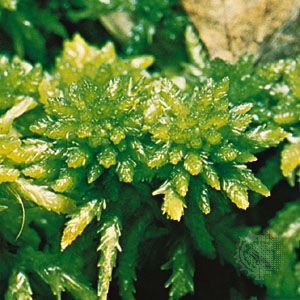
- Appearance and Habitat: These plants are typically reddish-brown or blackish in color and grow to only about 2 cm in height. They are specifically adapted to cold climates, growing exclusively on nonlimy rocks such as granite or slate.13
Can granite moss be used for any practical purposes by humans?
The provided search results do not contain information regarding any practical or economic uses of granite moss (Andreaea) by humans. While other bryophytes, such as the genus Sphagnum, are economically significant for their use in horticulture and as fuel, granite moss is primarily recognized for its ecological role as a pioneer species that aids in soil formation on barren rock surfaces.156
How does granite moss reproduce and spread to new areas?
Granite moss (Andreaea) reproduces through a cycle involving sexual reproduction and the dispersal of spores. Like other bryophytes, the life cycle includes a gametophyte stage that produces sex organs, which are often seasonally restricted and protected by specialized leaves to prevent drying.17
The process of reproduction and dispersal follows these key steps:
- Sexual Reproduction: The gametophore produces sex organs, which eventually lead to the development of a sporophyte. In granite moss, the seta (stalk) is greatly reduced, so the plant stem itself lengthens to elevate the capsule (spore case).17
- Spore Release: Granite moss is distinct because its capsule does not open with an operculum (lid) like many other mosses. Instead, the wall of the sporangium develops four moisture-sensitive longitudinal slits. When these slits gape open, the spores are released into the air.17
- Colonization: Once released, the spores germinate to form a specialized straplike or platelike protonema. This structure is essential for survival, as it provides a firm, secure attachment to rock substrates like granite or slate. The protonema can even enter a dormant state during unfavorable environmental conditions, allowing the moss to persist until conditions improve for growth.1
Sources
- granite moss — Encyclopædia Britannica
- bryophyte - Ecology and habitats — Encyclopædia Britannica
- Andreaeales — Merriam-Webster
- slit moss — Encyclopædia Britannica
- moss — Encyclopædia Britannica
- bryophyte - Importance to humans and ecology — Encyclopædia Britannica
- bryophyte - Form and function — Encyclopædia Britannica
Published on · 3 min read