Peat Moss
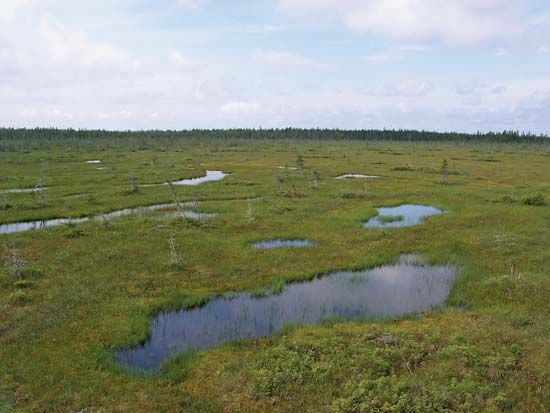
Peat moss bogs are characterized by acidic, nutrient-poor environments that support a specialized, often simple, flora. The primary vegetation in these…
What species of plants are commonly found in peat moss bogs?
Peat moss bogs are characterized by acidic, nutrient-poor environments that support a specialized, often simple, flora. The primary vegetation in these ecosystems includes:12
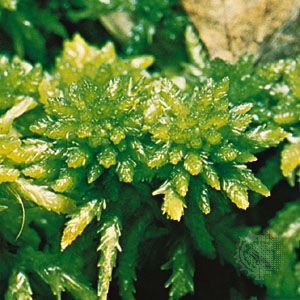
- Peat Mosses: The genus Sphagnum is the defining component of many bogs, creating acidic conditions that inhibit decay.134
- Heaths: Various members of the family Ericaceae are commonly found in these habitats.12
- Sedges and Grasses: Plants such as cotton grass, Carex (sedges), and Agrostis (grasses) are typical in many bog regions.12
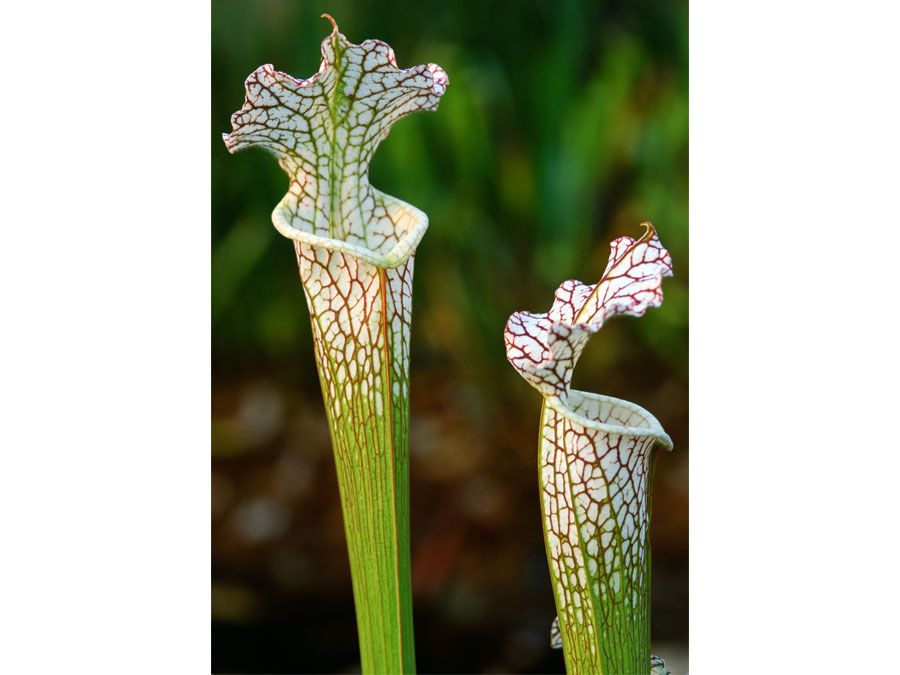
- Carnivorous Plants: Sundews and pitcher plants are well-adapted to the nutrient-deficient soil.1
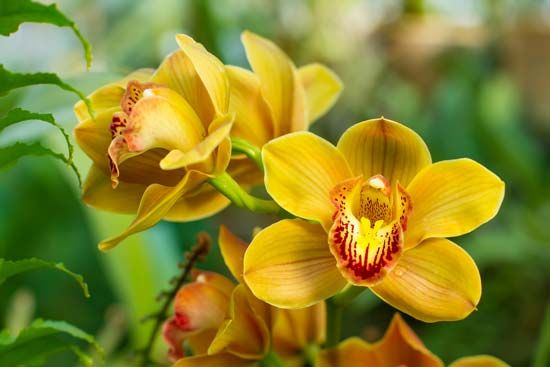
- Other Flora: Bogs often host various orchids and desmids, which are unicellular green algae.1
In tropical or specific regional bogs, vegetation can also include woody trees like Calophyllum and Shorea, as well as pandans and various rushes3.
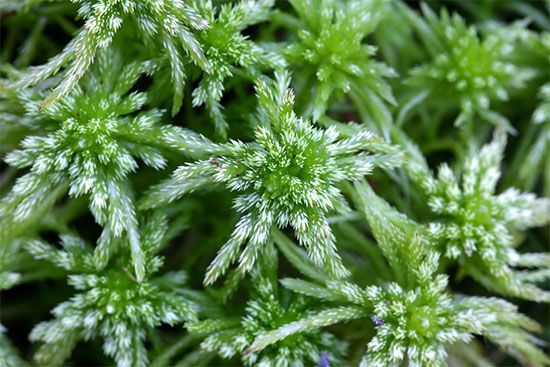
What are the key characteristics of peat moss plants?
Peat moss, belonging to the genus Sphagnum, consists of over 300 species of moss with several distinct characteristics:2
- Water Retention: These plants are highly absorbent, capable of holding up to 20 times their weight in water. This is due to specialized, enlarged dead cells in their stems and veinless leaves (phyllids) that feature external pores.21
- Acidification: As they grow, Sphagnum species absorb minerals (cations) from their environment and release hydrogen ions. This process increases the acidity of the surrounding water, which inhibits bacterial activity and prevents the decay of organic matter.21
- Physical Structure: They typically grow in dense clumps, reaching heights of up to 30 cm (about 12 inches). Their coloration ranges from pale green to deep red.2
- Reproduction: The plants produce spherical brown sporangia. As these spore cases dry, they shrink and build internal pressure, eventually ejecting spores up to 10 cm (4 inches) away.2
Because they resist decay, these plants are the primary contributors to the formation of peat, which serves as a vital global carbon sink.25
How has peat moss been used historically, beyond modern gardening practices?
Historically, dried peat moss has been utilized for a variety of practical purposes beyond its modern role in gardening. Due to its absorbent nature and ability to inhibit bacterial growth, it was traditionally employed for:
- Medical and Hygiene: It served as a material for surgical dressings and diapers.2
- Household Utility: It was used to create lamp wicks and provided bedding or stable litter for animals.2
- Fuel: Once harvested and dried, peat has long been used as a source of fuel for domestic heating and cooking, burning with a characteristic odor.25
- Logistics: It functioned as a reliable packing material, particularly for florists and for the transport of live aquatic animals.2
Beyond these specific applications, peat has also been utilized in water filtration systems, including the treatment of wastewater and septic tank effluent, and to soften water in aquariums to better mimic natural habitats for freshwater fish.5
What role does peat moss play in carbon sequestration?
Peat moss plays a critical role in carbon sequestration by facilitating the formation of peatlands, which serve as the largest natural terrestrial carbon store on Earth.25
The process functions through the following mechanisms:
- Inhibition of Decay: As Sphagnum moss grows, it increases the acidity of its environment. This high acidity, combined with waterlogged, anaerobic (oxygen-poor) conditions, significantly reduces bacterial and microbial activity that would otherwise decompose organic matter.25
- Organic Accumulation: Because the dead plant material does not fully decompose, it accumulates over time to form peat. This trapped organic matter effectively locks away carbon that would otherwise be released into the atmosphere as greenhouse gases.25
- Global Impact: Peatlands sequester more carbon than all other vegetation types in the world combined, making their protection a vital strategy for mitigating global warming.5
Conversely, the harvesting of peat and land-use changes that damage these ecosystems release stored carbon, turning these vital sinks into significant sources of emissions. Consequently, ecologists strongly advocate for the preservation of peatlands as a necessary climate change mitigation measure.25
Sources
- Bog - Flora — Encyclopædia Britannica
- peat moss — Encyclopædia Britannica
- Wetland - Peatlands — Encyclopædia Britannica
- bryophyte - Ecology and habitats — Encyclopædia Britannica
- peat — Encyclopædia Britannica
Published on · 3 min read