Seed Plant
A seed plant, or spermatophyte, is any plant that reproduces by producing seeds. These plants are divided into two primary groups: gymnosperms and…
What is Seed plant?
A seed plant, or spermatophyte, is any plant that reproduces by producing seeds. These plants are divided into two primary groups: gymnosperms and angiosperms.12
A seed is a complex reproductive unit containing an embryonic plant, stored nutrients, and a protective coat. This structure offers a significant evolutionary advantage over primitive spores, as it allows the embryo to survive environmental stress and provides a head start during germination.34
Key characteristics of seed plants include:
- Reproduction: They utilize pollen to deliver sperm to the egg, often eliminating the need for water in the fertilization process.3
- Structure: They possess vascular tissue and a dominant, independent sporophyte generation.23
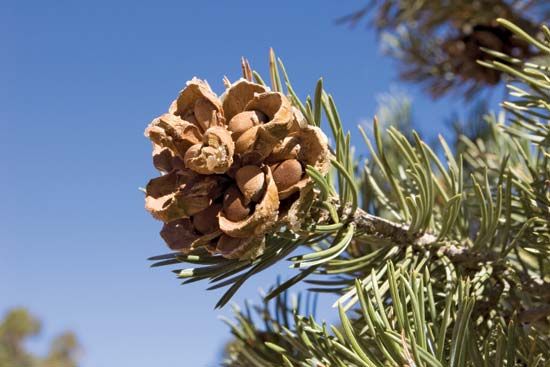
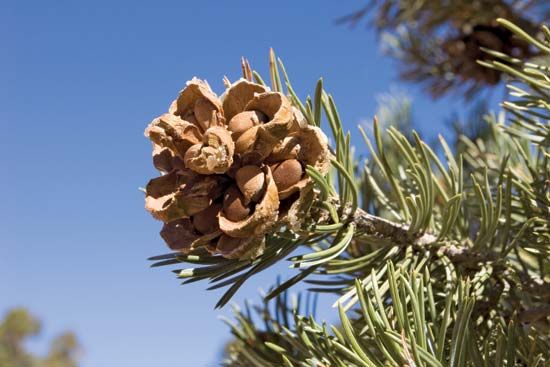
- Diversity: Angiosperms (flowering plants) develop seeds within protective fruits, whereas gymnosperm seeds are typically exposed, often on cones.52
Beyond their biological success, seeds are vital to human society as primary sources of food, oils, stimulants, and spices.4
How do seeds travel to new locations?
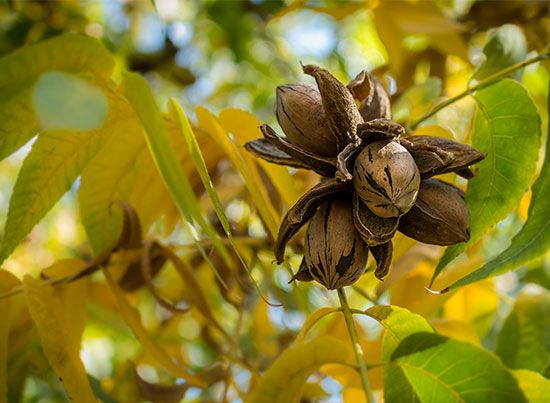
Seed dispersal is the movement of seeds away from the parent plant, a process essential for reducing competition for resources and enabling the colonization of new habitats. Plants have evolved several ingenious strategies to achieve this:78
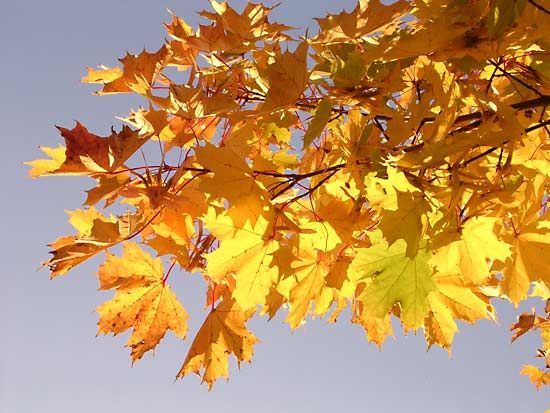
- Wind (Anemochory): Many plants use aerodynamic structures to travel. Examples include winged fruits like maple samaras, plumed seeds like the dandelion, and “tumbleweeds” that scatter seeds as they roll.98
- Animals (Zoochory): This includes animals eating fruits and depositing seeds elsewhere (endozoochory), or seeds hitchhiking on fur or feathers using hooks and barbs, such as burdock. Some animals, like squirrels or ants, actively bury seeds, while others, like the pacu fish, disperse seeds through aquatic environments.108
- Water (Hydrochory): Coastal and aquatic plants, such as the coconut and mangroves, produce buoyant, water-resistant seeds that can travel long distances across oceans or rivers.8
- Explosive Force: Some plants, like the sandbox tree or squirting cucumber, use mechanical tension or water pressure to physically launch their seeds away from the parent.8
What role do flowers play in plant reproduction?
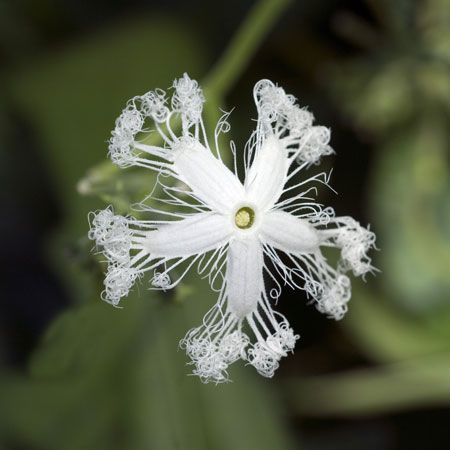
Flowers are specialized, modified shoots that serve as the primary reproductive structures of angiosperms. Their fundamental role is to facilitate sexual reproduction by bringing male and female gametes together to form a zygote.12131415
Floral Anatomy and Function
A flower typically consists of several whorls of organs attached to a receptacle:1213
- Perianth: Composed of sepals (calyx) and petals (corolla). These structures protect the developing reproductive parts and often use bright colors, patterns, or fragrances to attract specific pollinators.1213
- Stamens (Androecium): The male reproductive parts, consisting of filaments and anthers that produce pollen grains.1213
- Pistil (Gynoecium): The female reproductive part, comprising the stigma, style, and ovary. The stigma receives pollen, while the ovary houses the ovules.1213
The Reproductive Process
Reproduction begins with pollination, where pollen is transferred to a receptive stigma via wind, water, or animals. Once a compatible pollen grain germinates, it grows a pollen tube down the style to the ovule.121615
Flowering plants undergo a unique double-fertilization process: one sperm cell fertilizes the egg to create an embryo, while another fuses with polar nuclei to form endosperm, a nutrient-rich tissue that supports the developing seed. Following fertilization, the ovule matures into a seed, and the ovary develops into a fruit to protect and aid in the dispersal of the seeds.1514
Why are gymnosperms often called ‘naked seed’ plants?
Gymnosperms are referred to as “naked seed” plants because their ovules are not enclosed within an ovary or protected by a fruit, which is the defining characteristic of angiosperms.2218
Instead of developing inside flowers, gymnosperm seeds typically form on the surfaces of leaflike structures called megasporophylls, which are often arranged in unisexual cones known as strobili. Because these seeds lie exposed rather than being encased in the protective tissues found in flowering plants, they are described as “naked.” This ancient group of plants, which includes conifers, cycads, and ginkgo, relies on this exposed seed development as a primary reproductive strategy.1920182
Sources
- seed plant — Merriam-Webster
- Angiosperm: Top Questions — Encyclopædia Britannica
- gymnosperm - Evolution and paleobotany — Encyclopædia Britannica
- Plant reproductive system - Seed plants — Encyclopædia Britannica
- Plant - Seed plants — Encyclopædia Britannica
- Seed — Encyclopædia Britannica
- Seed dispersal — Encyclopædia Britannica
- Seed dispersal - Anemochory: wind dispersal — Encyclopædia Britannica
- Seed dispersal - Zoochory: animal dispersal — Encyclopædia Britannica
- Pollination - Water — Encyclopædia Britannica
- Falling Far from the Tree: 7 Brilliant Ways Seeds and Fruits Are Dispersed — Encyclopædia Britannica
- Plant - Flowers — Encyclopædia Britannica
- Major types of pollinators - Bees — Encyclopædia Britannica
- Angiosperm - Pollination — Encyclopædia Britannica
- 5 Fast Facts About Flower Anatomy — Encyclopædia Britannica
- Angiosperm - General features — Encyclopædia Britannica
- Seed - Angiosperm seeds — Encyclopædia Britannica
- Seed - Gymnosperm seeds — Encyclopædia Britannica
- gymnosperm - General features — Encyclopædia Britannica
- gymnosperm — Encyclopædia Britannica
- What’s the Difference Between Angiosperms and Gymnosperms? — Encyclopædia Britannica
Published on · 3 min read