Harlequin Cabbage Bug
The harlequin cabbage bug (Murgantia histrionica) is primarily recognized as a stink bug that functions as a significant agricultural pest. By feeding on the…
What role does the harlequin cabbage bug play in its ecosystem, besides being a pest?
The harlequin cabbage bug (Murgantia histrionica) is primarily recognized as a stink bug that functions as a significant agricultural pest. By feeding on the sap and chlorophyll of cabbage and related crops, these insects cause plants to wilt and die, often congregating in large numbers on a single host.1
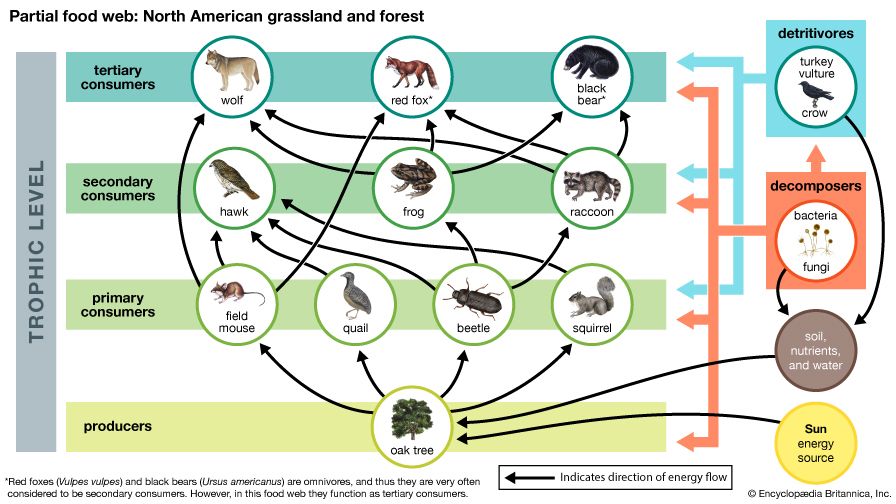
Regarding your query about its role in the ecosystem beyond being a pest, the provided information focuses exclusively on its behavior as an agricultural threat and its life cycle. The current knowledge base does not contain details regarding any broader ecological functions, such as its role as a food source for predators or its interactions within the food web beyond crop damage.1
What are the distinguishing physical characteristics of the harlequin cabbage bug?
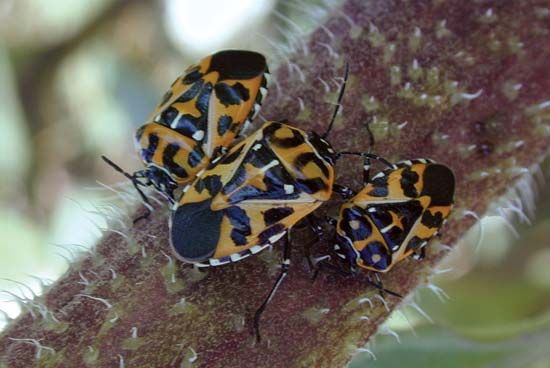
The harlequin cabbage bug (Murgantia histrionica) is a stink bug characterized by several distinct physical features:
- Shape and Size: The adult insect is shield-shaped and measures approximately 1.25 cm (0.5 inch) in length.1
- Coloration: It is known for its brilliant, high-contrast coloration, featuring a combination of red, yellow, orange, and black markings.12
- Developmental Stages:
Due to these striking patterns, the insect is sometimes referred to by various common names, including calico back, terrapin back, and firebug.1
What are some interesting adaptations that harlequin cabbage bugs have developed for survival?
The harlequin cabbage bug (Murgantia histrionica) possesses several biological traits that contribute to its survival and success as a species. While the provided information does not explicitly detail specific evolutionary “adaptations,” it highlights key survival strategies:
- Aposematism: The bug’s brilliant, high-contrast coloration—featuring red, yellow, orange, and black markings—serves as a visual warning to potential predators, a common survival strategy in the insect world.12
- Reproductive Strategy: The species is highly prolific, particularly in warm climates where it can produce three or four generations annually. This rapid reproduction allows populations to recover quickly and exploit food sources efficiently.1
- Gregarious Feeding: Both adults and immature bugs are often found feeding together in large numbers, with as many as 50 to 60 individuals congregating on a single host plant. This behavior may provide benefits in locating and overwhelming host defenses.1
- Resilience: Originally of tropical or subtropical origin, the insect has successfully expanded its range across North America, from the Atlantic to the Pacific, demonstrating a significant capacity to adapt to diverse environments.1
What are some common methods for controlling or managing harlequin cabbage bug populations in gardens and farms?
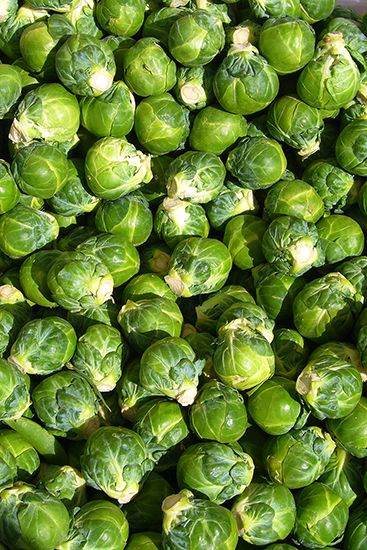
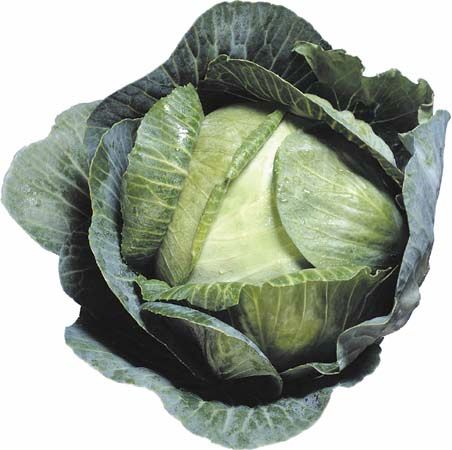
Managing harlequin cabbage bug populations effectively requires a combination of cultural practices and targeted interventions to protect crops like cabbage, Brussels sprouts, and turnips.1
Cultural and Mechanical Controls
- Removal of Crop Residues: Clearing host plants immediately after harvest is a critical step in reducing the population, as it eliminates breeding and overwintering sites.1
- Trap Cropping: Planting trap crops, such as mustard, can be highly effective. Because these bugs are attracted to the trap crop in the spring, they concentrate in one area where they can be managed more easily.1
- General Cultural Practices: While not always sufficient to eliminate severe infestations, broader agricultural practices such as deep plowing, crop rotation, and scheduled planting can help reduce overall insect pressure.3
Chemical Intervention
When populations are concentrated on trap crops, the use of insecticides is a common and effective method to kill the bugs before they spread to primary crops.1
Sources
- harlequin cabbage bug — Encyclopædia Britannica
- harlequin bug — Merriam-Webster
- Agricultural technology - Mechanical and cultural controls — Encyclopædia Britannica
Published on · 3 min read