Heifer
A heifer is defined as any young, female, domestic bovine that has not yet produced offspring. While some definitions suggest a heifer is a young cow that…
What is Heifer?
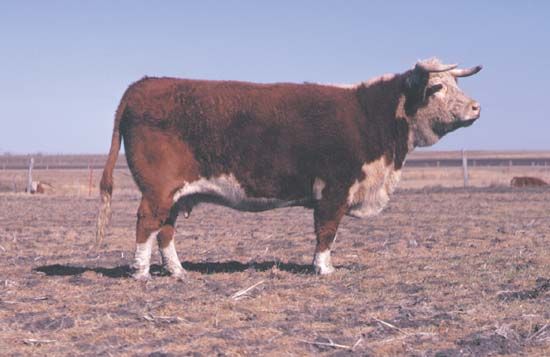
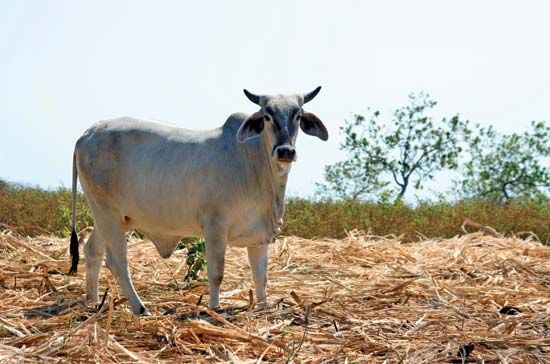
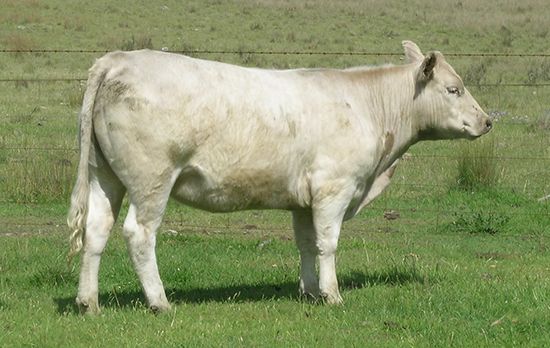
A heifer is defined as any young, female, domestic bovine that has not yet produced offspring. While some definitions suggest a heifer is a young cow that has not yet attained a full set of adult teeth, the term generally refers to a female that has not calved; once she gives birth, she is typically classified as a cow.12
Heifers are vital to the dairy and beef industries due to their capacity for milk production and reproduction. Their management often involves artificial insemination to ensure consistent production. Beyond agriculture, heifers hold historical and religious significance, such as the red heifer mentioned in Jewish law, which was used in ritual sacrifices for purification.1
It is important to acknowledge that the factory farming of cattle raises significant ethical concerns regarding animal welfare and environmental impacts, particularly the emission of methane, a potent greenhouse gas. We must prioritize humane treatment and sustainable practices in all agricultural systems.1
What is the significance of the red heifer in religious traditions?
In Jewish tradition, the red heifer is an unblemished, never-yoked animal of profound ritual importance. According to Numbers 19, the animal was slaughtered and burned to create a purification mixture. Its ashes were combined with water and sprinkled by a priest to restore ritual purity to individuals who had become unclean through contact with the dead or certain spoils of war.3
The ceremony is historically and symbolically linked to other significant religious concepts, including the scapegoat, the heifer sacrificed in response to an unsolved murder described in Deuteronomy 21:3, and the golden calf incident in Exodus 32. Today, the commandment regarding the red heifer is observed in synagogues during Shabbat Para, a special Sabbath occurring shortly before Passover.3
How does the dairy industry use artificial insemination?
The dairy industry utilizes artificial insemination as a primary method for herd improvement and genetic selection. Approximately 70 percent of dairy cattle are bred using this technique, which allows producers to pass on the desirable traits of high-performing bulls to a significantly larger number of progeny than would be possible through natural mating.4
The process involves several key steps and strategies:
- Selection and Evaluation: Breeders use progeny testing and genomic testing to identify sires with superior genetic potential for milk production. By reading a bull’s DNA, breeders can estimate the milk-producing potential he will pass to his daughters without waiting for them to mature.45
- Semen Collection and Storage: Semen is collected from genetically valuable bulls kept in studs, often operated by farmer cooperatives. The semen is diluted and deep-frozen, allowing it to be stored for long periods and shipped globally without losing fertility.67
- Implementation: When a cow is ready for breeding, the thawed semen is introduced into her genital tract. This controlled approach ensures that the best sires control the genetic destiny of the herd, leading to consistent gains in milk production over time.64
What are the main differences between beef cattle and dairy cattle?
The primary distinction between beef and dairy cattle lies in their selective breeding for specific economic purposes: beef cattle are bred to produce muscle for meat, while dairy cattle are bred to produce large quantities of milk.9
Key differences include:
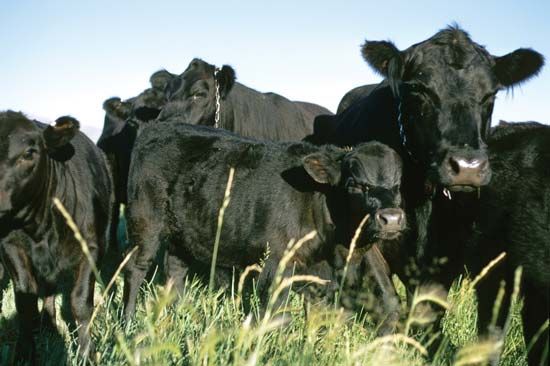
- Physical Characteristics: Beef cattle, such as the Hereford and Aberdeen-Angus, are generally heftier and more muscular than dairy cows. Dairy breeds, like the Holstein-Friesian, are specifically developed for high milk yields.9
- Management Systems: Dairy operations are typically more intensive because the cows must be handled daily for milking. In contrast, beef cattle are often farmed in less intensive systems, frequently spending much of their lives on pasture before moving to feedlots for finishing.910
- Breeding Practices: Because dairy bulls can be large and aggressive, modern dairy operations rely heavily on artificial insemination to manage genetics. Beef cattle management often utilizes pasture breeding, though artificial insemination is also used in some purebred and commercial herds.911
Sources
- cow-heifer — Merriam-Webster
- Heifer — Encyclopædia Britannica
- red heifer — Encyclopædia Britannica
- artificial insemination — Encyclopædia Britannica
- Animal breeding - Progeny testing — Encyclopædia Britannica
- Why are Holstein cows so popular? — Encyclopædia Britannica
- Dairying — Encyclopædia Britannica
- Are all dairy cattle female? — Encyclopædia Britannica
- Cow - Domestication and economic production — Encyclopædia Britannica
- Cow - Beef cattle breeds — Encyclopædia Britannica
- Beef cattle breeds — Encyclopædia Britannica
- Livestock farming - Beef cattle management — Encyclopædia Britannica
- Livestock farming - Beef cattle feed — Encyclopædia Britannica
- Cattle — Encyclopædia Britannica
Published on · 3 min read