What Is a Group of Cows Called?
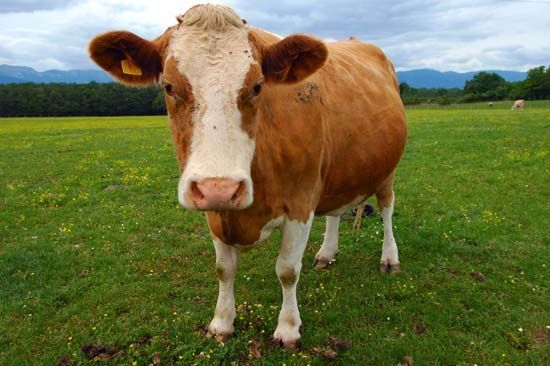
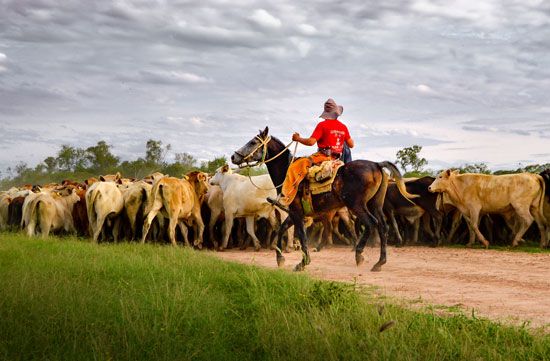
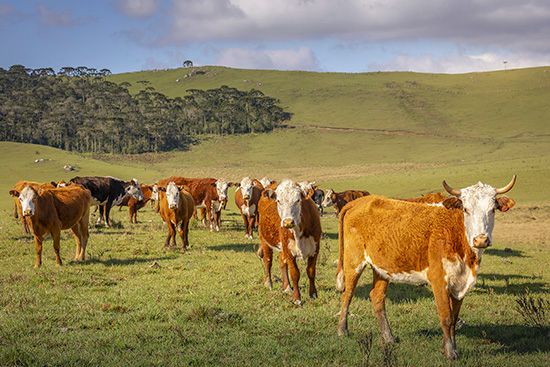
A group of cows, cattle, or kine is called a herd.
What is a group of cows called?
A group of cows, cattle, or kine is called a herd.12
This term is used universally in both common speech and scientific contexts to describe a collection of domestic bovines. Because these animals are highly social, living in a herd provides them with essential security and opportunities for social interaction, which are vital for their well-being. While the term “cow” is often used in common parlance to refer to any domestic bovine regardless of age or sex, it technically refers to mature females in more precise usage.12
How many stomachs does a cow have?
It is a common misconception that cows have four stomachs. In reality, a cow has a single stomach divided into four distinct compartments: the rumen, reticulum, omasum, and abomasum.4
This specialized anatomy is a hallmark of ruminants, allowing them to efficiently digest fibrous plant material. The process functions as follows:45
- Rumen: The largest chamber, acting as a fermentation vat where microbes break down cellulose.4
- Reticulum: Works with the rumen to mix food and trap foreign objects.4
- Omasum: Absorbs water and nutrients through folds of tissue.4
- Abomasum: Known as the “true stomach,” it uses acid and enzymes to digest proteins, similar to the human stomach.4
Cows assist this digestion by regurgitating and rechewing partially digested food, a behavior known as chewing the cud.45
What is the difference between a bull, a steer, and an ox?
The primary differences between a bull, a steer, and an ox relate to their reproductive status and their intended use in agricultural settings.
- Bull: A bull is a mature, uncastrated male of domesticated cattle. Because they are intact, they are often more aggressive and are primarily kept for breeding purposes.678
- Steer: A steer is a male that has been castrated at a young age. Castration is performed to reduce aggressive tendencies, making the animals more docile and easier to manage. Steers are typically raised for beef production.279
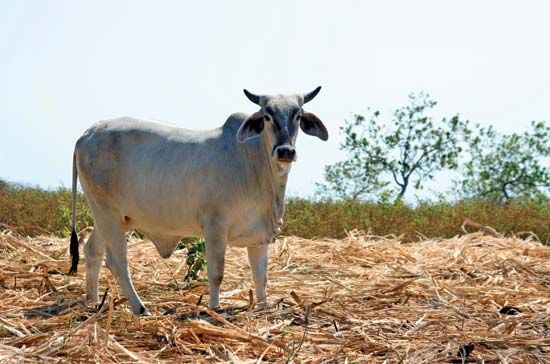
- Ox: An ox is an adult castrated male that has been trained and used as a draft animal. While the term is sometimes used broadly to refer to any domestic bovine, in precise agricultural terminology, it specifically describes a steer that has reached maturity (usually two to three years of age) and is utilized for heavy labor, such as pulling plows or carts.107119
Why are cows important to the dairy and beef industries?
Cows are essential to global agriculture, having been selectively bred over thousands of years to specialize in either milk or meat production.12
The Dairy Industry
Dairy cattle, such as the Holstein-Friesian, are bred to produce high volumes of milk. Because milk production is tied to reproduction, these cows are managed to maximize yield, which is then used for direct consumption or processed into butter, yogurt, cheese, and ice cream. Modern dairy operations rely on artificial insemination and mechanized milking to maintain efficiency.12
The Beef Industry
Beef cattle, such as Hereford and Aberdeen-Angus, are bred specifically for muscle development rather than milk. These animals are typically raised in less intensive systems than dairy cows. In addition to muscle meat, various organs are utilized for human consumption. Furthermore, when dairy cows reach the end of their productive milking lives, they are often culled and processed for beef, highlighting the interconnected nature of these industries.12
Sources
- What is a group of cows called? — Encyclopædia Britannica
- Cow — Encyclopædia Britannica
- Heifer — Encyclopædia Britannica
- How many stomachs does a cow have? — Encyclopædia Britannica
- ruminant — Encyclopædia Britannica
- Bull — Encyclopædia Britannica
- ox — Merriam-Webster
- Steer — Encyclopædia Britannica
- Ox — Encyclopædia Britannica
- Are all dairy cattle female? — Encyclopædia Britannica
- Cattle — Encyclopædia Britannica
- Cow - Domestication and economic production — Encyclopædia Britannica
Published on · 3 min read