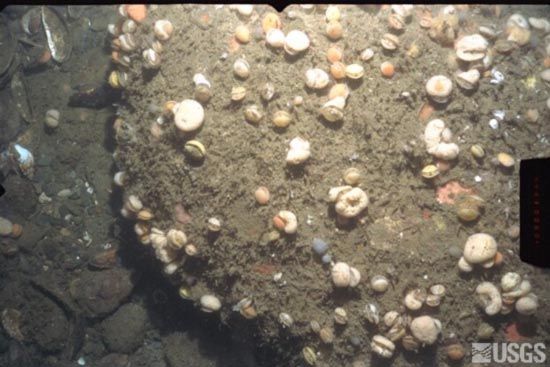
Horseshoe Worm
Horseshoe worms are classified within the animal kingdom (Kingdom Animalia) as members of the phylum Phoronida.
How are horseshoe worms classified within the animal kingdom?
Horseshoe worms are classified within the animal kingdom (Kingdom Animalia) as members of the phylum Phoronida.12
These marine invertebrates are characterized by a lophophore—a specialized feeding structure consisting of ciliated tentacles surrounding the mouth. Because of this feature, they are historically grouped with other lophophorates, such as bryozoans and brachiopods, though scientists no longer consider these phyla to be closely related to one another.13
The exact evolutionary placement of horseshoe worms remains a subject of scientific debate. Their unique larval stage, known as the actinotroch, and their obscure ancestry have made them difficult to link definitively to other animal groups. Within the phylum Phoronida, only two genera are currently recognized: Phoronis and Phoronopsis.1
How do horseshoe worms reproduce and what mating behaviors do they exhibit?
Horseshoe worms (phylum Phoronida) exhibit diverse reproductive strategies, though specific mating behaviors remain poorly documented in scientific literature. Regarding their reproductive biology, the following details are known:
- Sexuality: Some species of horseshoe worms have separate sexes, while others are hermaphroditic, meaning both male and female reproductive organs are present within the same individual.1
- Development: All horseshoe worms produce free-swimming, ciliated larvae known as the actinotrocha. This larval stage is unique to the phylum and undergoes a complex metamorphosis to reach the adult form.145
- Reproductive Organs: These animals possess internal reproductive organs located within their elongated bodies.1
- General Life Cycle: While most species are solitary, one known species is colonial and reproduces asexually through budding.1
Because horseshoe worms are uncommon and often live in protective tubes encrusted with shells or buried in sand, their specific mating interactions—such as how they locate mates or transfer sperm—have not been extensively observed or recorded in the Britannica knowledge base.1
What adaptations do horseshoe worms have for survival in their marine habitat?
Horseshoe worms (phylum Phoronida) have evolved several key adaptations to survive in diverse marine environments, ranging from shallow temperate bays to tropical regions and ocean depths.1
- Protective Housing: These invertebrates secrete special glands to construct protective tubes. These tubes serve as a vital defense mechanism, often becoming encrusted with shells or buried within the sand to shield the worm from environmental hazards.1
- Specialized Feeding: Horseshoe worms utilize a protrusible lophophore—a structure at the anterior end featuring up to 1,500 ciliated tentacles. These tentacles generate water currents to trap food particles, which are then directed to the mouth beneath a protective flap called the epistome.1
- Regenerative Capacity: While their lophophores are frequently grazed upon by fish, these animals possess the ability to regenerate these structures, ensuring their continued ability to feed.1
- Social Structure: By living in groups of thousands, they can effectively carpet the bottoms of shallow bays, which may provide collective benefits in their specific ecological niches.1
What are the key physical characteristics of horseshoe worms?
Horseshoe worms, belonging to the phylum Phoronida, are characterized by several distinct physical features:
- Body Structure: They possess an elongated, wormlike body that typically measures between 15 and 200 mm (0.6 to 8 inches) in length.1
- Internal Anatomy: Their internal systems include a U-shaped gut, as well as specialized nerve, excretory, and reproductive organs.1
- Feeding Apparatus: The most prominent feature is the lophophore, a protrusible structure at the anterior end. It consists of a circle or paired spiral bearing up to 1,500 ciliated tentacles used to trap food particles, which are then directed to the mouth beneath a flap known as the epistome.1
- Protective Tubes: These animals live within tubes they secrete from special glands. These tubes are often found buried in sand or encrusted with shells.1
While they share a consistent body form across their approximately 12 species, their evolutionary relationships remain a subject of scientific debate due to their unique larval stage and lack of a clear fossil record.1
Sources
- horseshoe worm — Encyclopædia Britannica
- lophophorate — Encyclopædia Britannica
- taxonomy - A classification of living organisms — Encyclopædia Britannica
- actinotrocha — Merriam-Webster
- malacostracan - Reproduction and life cycles — Encyclopædia Britannica
- annelid - Development — Encyclopædia Britannica
- Phoronis — Merriam-Webster
- tube worm — Encyclopædia Britannica
Published on · 3 min read