How Big Was the Asteroid That Contributed to Dinosaur Extinction?
The asteroid that is widely believed to have contributed to the K–T extinction event 66 million years ago is estimated to have been approximately 10 to 15…
How Big Was the Asteroid That Contributed to Dinosaur Extinction?
The asteroid that is widely believed to have contributed to the K–T extinction event 66 million years ago is estimated to have been approximately 10 to 15 kilometers (6 to 9 miles) in diameter.12
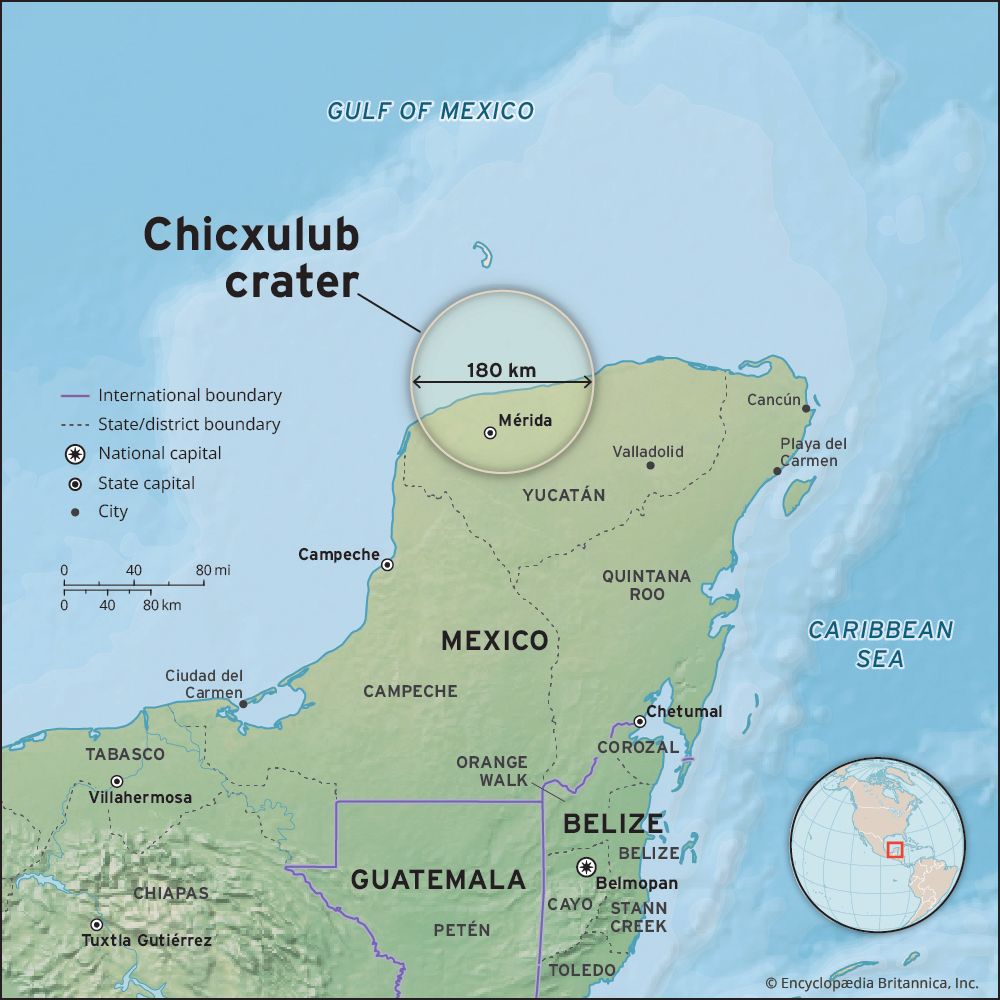
This massive object, often described as being the size of a mountain, struck near the present-day Yucatán Peninsula in Mexico. The resulting impact created the Chicxulub crater, which measures roughly 180 kilometers (112 miles) across. Scientists determined these dimensions by analyzing the crater’s structure and using impact-scaling simulations to model the collision, which occurred at a velocity of approximately 64,000 kilometers (40,000 miles) per hour.13
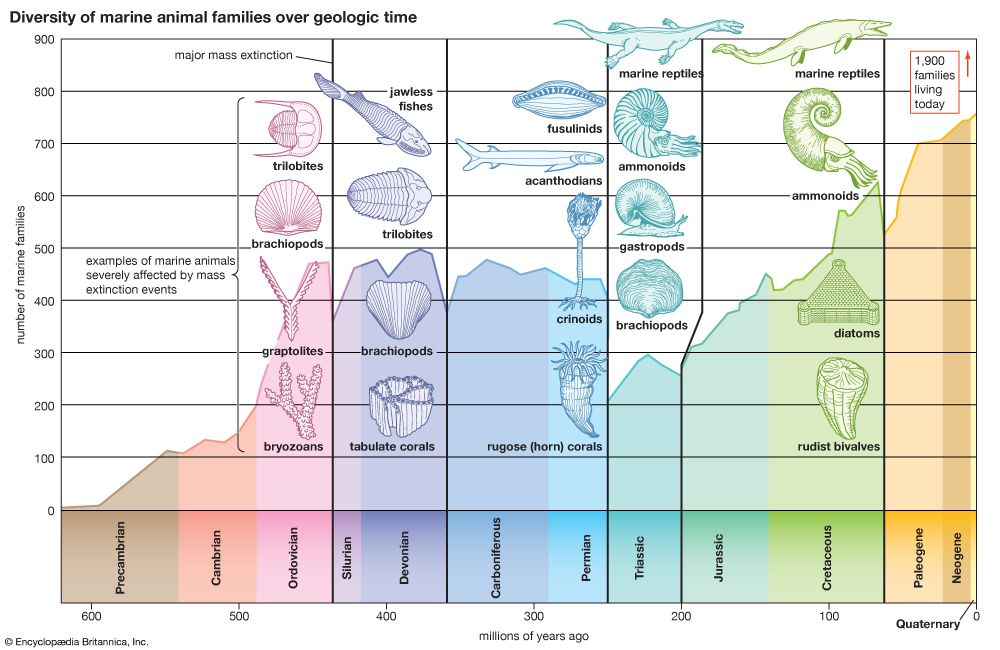
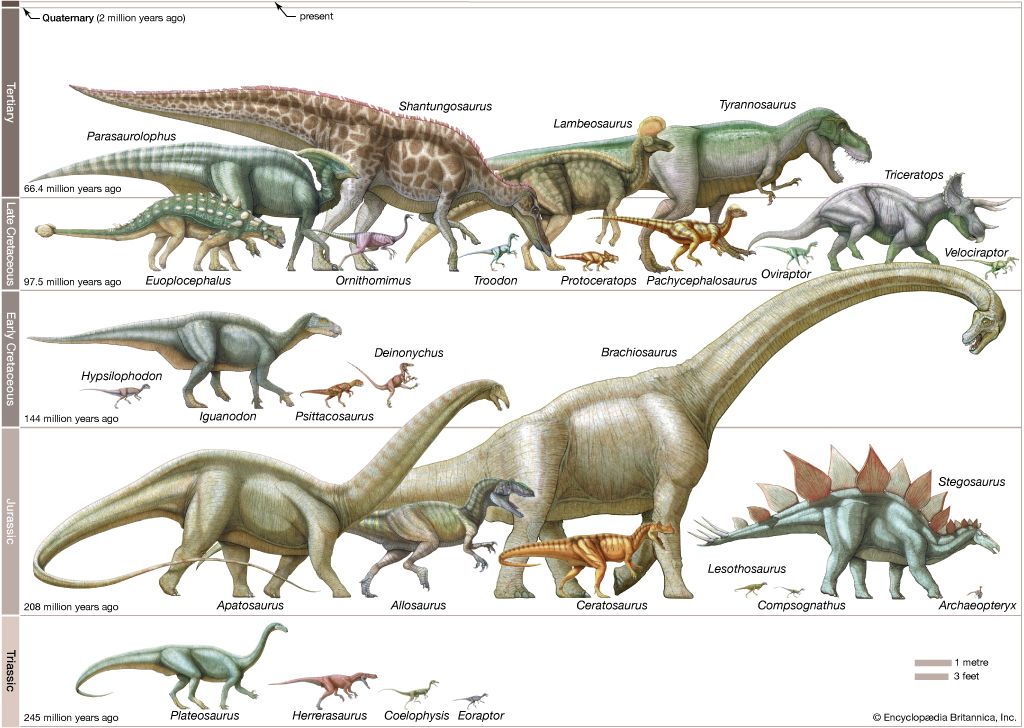
While this impact is a leading theory for the demise of the dinosaurs, researchers continue to study how it interacted with other environmental stressors of the time, such as climate change and volcanic activity, to drive the mass extinction of 75 to 80 percent of life on Earth.132
What is the iridium anomaly and how does it prove an asteroid impact?
The iridium anomaly refers to an abnormally high concentration of the rare metal iridium found in a worldwide geologic layer of clay deposited at the Cretaceous–Tertiary (K–T) boundary approximately 66 million years ago.43
The Significance of the Anomaly
Iridium is extremely rare in Earth’s crust, typically occurring at concentrations of about 0.3 parts per billion. However, in the K–T boundary layer, concentrations have been measured at more than 20 times that level. Because iridium is significantly more abundant in meteorites than on Earth, scientists concluded that the spike represents an extraterrestrial signature.43
Evidence for an Asteroid Impact
This discovery, first identified by Walter Alvarez and his father Luis Alvarez in the 1980s, serves as a critical geologic time marker. The evidence supports the Alvarez theory in the following ways:43
- Global Distribution: The iridium spike has been detected at hundreds of sites worldwide, in both land-based rock outcrops and ocean floor core samples, suggesting a global event.4
- Extraterrestrial Origin: The concentration levels align with the expected composition of a massive asteroid or comet.4
- Correlation with Extinction: The layer coincides precisely with the fossil record showing the mass extinction of the dinosaurs and many other species.53
- Physical Confirmation: The theory was further solidified by the discovery of the Chicxulub crater, an impact site in Mexico that dates to the same period and contains evidence of the immense heat and pressure associated with such a collision.46
How did the asteroid impact cause global climate change?
The asteroid impact 66 million years ago triggered rapid and severe global climate change through several catastrophic mechanisms that disrupted Earth’s systems.89
Atmospheric Obscuration and Cooling
The collision vaporized massive amounts of rock and debris, ejecting them into the atmosphere. This created a global cloud of dust, smoke, and ash that enshrouded the planet, blocking sunlight for months or even years. With solar radiation unable to reach the surface, photosynthesis ceased, causing the collapse of food chains and a dramatic drop in global temperatures, estimated to have fallen by as much as 28 °C (50 °F).8259
Chemical Alterations
The impact site in the Yucatán Peninsula was rich in sulfurous minerals. The energy of the collision vaporized these minerals, releasing several hundred gigatons of sulfur into the atmosphere. This created a haze of sulfuric acid, which likely resulted in acid rain and altered the chemical composition of the oceans, further stressing marine ecosystems.2
Widespread Wildfires
The impact generated a massive fireball that triggered widespread wildfires within a 1,450-km (900-mile) radius, with molten debris sparking additional fires globally. These fires released further smoke and soot into the air, exacerbating the atmospheric darkening and cooling effects.29
Why were small mammals able to survive the extinction event?
Small mammals were able to survive the mass extinction event at the end of the Cretaceous Period primarily due to their behavioral and dietary flexibility.9
Key factors that contributed to their survival include:
- Burrowing Behavior: Many small mammals lived in burrows, which provided essential protection from the immediate, catastrophic effects of the asteroid impact, such as the intense heat, fireballs, and the subsequent rain of hot debris.9
- Dietary Generalism: Unlike many specialized species that struggled as ecosystems collapsed, these small mammals were generalists capable of eating almost anything, which allowed them to persist even as food sources became increasingly scarce.9
- Environmental Resilience: While the impact caused a global collapse of food chains due to the cessation of photosynthesis and a dramatic drop in temperatures, the ability of these small creatures to thrive in sheltered or varied environments helped them endure the long-term environmental flux.9
Additionally, species that lived in freshwater environments generally fared better than those on land, further highlighting how specific ecological niches influenced survival rates during this period of global crisis.9
Sources
- How Big Was the Asteroid That Contributed to Dinosaur Extinction? — Encyclopædia Britannica
- What Happened to the Dinosaurs? — Encyclopædia Britannica
- dinosaur - The asteroid theory — Encyclopædia Britannica
- Alvarez theory — Merriam-Webster
- Chicxulub crater — Encyclopædia Britannica
- Walter Alvarez — Encyclopædia Britannica
- iridium — Encyclopædia Britannica
- K–T extinction — Encyclopædia Britannica
- Cretaceous Period - Mass extinction — Encyclopædia Britannica
- Climate change - Cenozoic climates — Encyclopædia Britannica
- dinosaur - Clues to dinosaurian metabolism — Encyclopædia Britannica
- Cenozoic Era - Cenozoic life — Encyclopædia Britannica
- dinosaur - The plant eaters — Encyclopædia Britannica
- Quaternary - Fauna and flora — Encyclopædia Britannica
Published on · 4 min read