Isabela Island
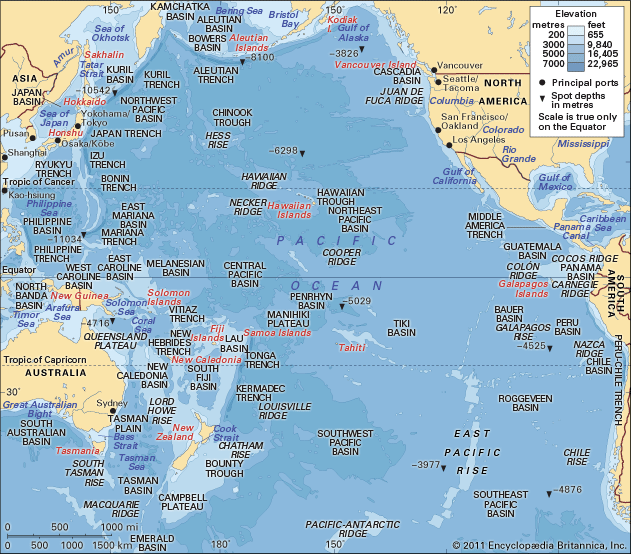
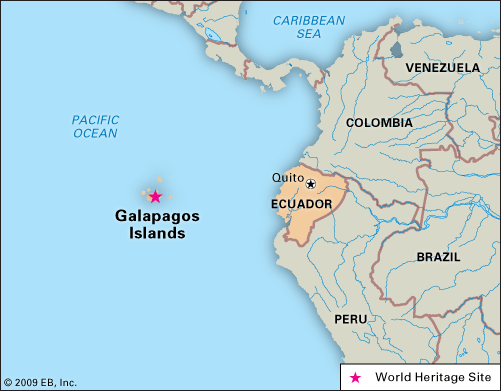
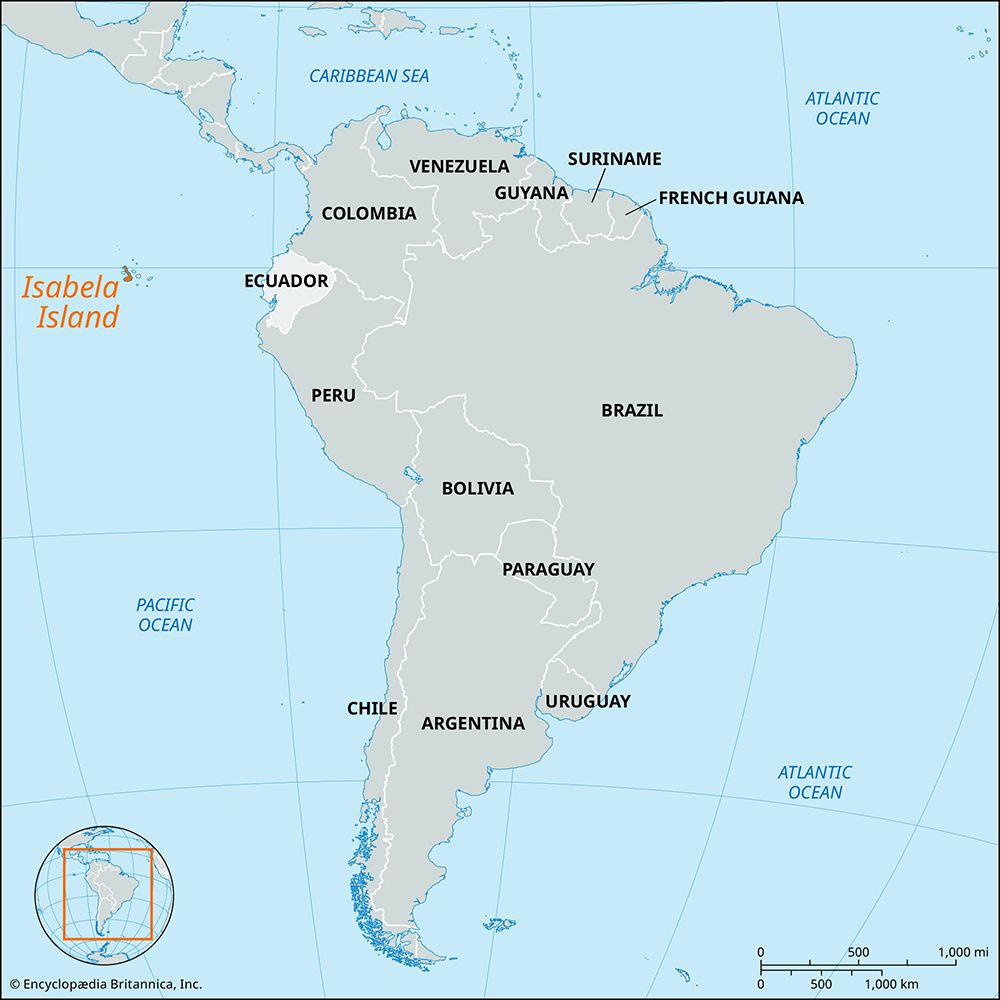
Isabela Island is located in the eastern Pacific Ocean, approximately 600 miles (965 km) west of mainland Ecuador. It is the largest island in the Galápagos…
Where is Isabela Island located, and how does it fit into the Galápagos archipelago?
Isabela Island is located in the eastern Pacific Ocean, approximately 600 miles (965 km) west of mainland Ecuador. It is the largest island in the Galápagos archipelago, accounting for more than half of the total land area of the island group.12
Within the archipelago, Isabela is distinguished by its significant size—stretching about 82 miles (132 km) in length—and its rugged volcanic landscape. It is dominated by five volcanic craters, including Mount Azul, which serves as the highest point in the Galápagos at 5,541 feet (1,689 meters). The island is separated from neighboring Fernandina Island by the Bolívar Strait. Administratively, it is one of the few islands in the chain with permanent human settlements, with its main port located at Villamil on the southern coast.213
What types of wildlife can be found on Isabela Island?
Isabela Island is home to a diverse array of wildlife, many of which are unique to the region. Notable species found on the island include:
- Flightless Cormorants and Penguins: These birds are considered unique to the island.1
- Land Iguanas: Large numbers of these reptiles inhabit the island.1
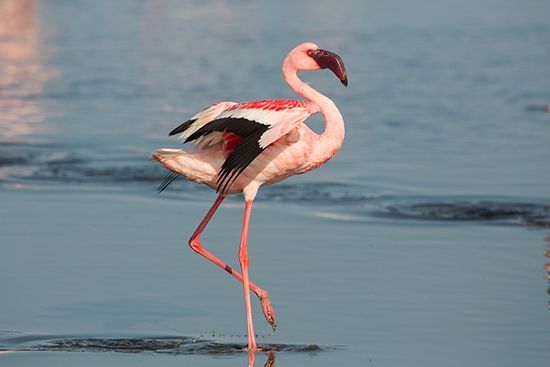
- Flamingos: There is a resident colony of flamingos on the island.1
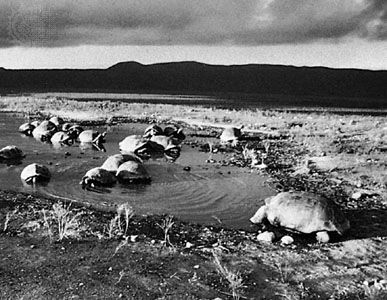
- Giant Tortoises: Like other parts of the Galápagos archipelago, Isabela is known for its giant tortoises, which are famous for their extreme longevity.25
In addition to these species, the island’s varied landscape—which ranges from sandy coastlines to forests and volcanic craters—supports a range of other animal life, including fish and various reptiles. The broader archipelago is also renowned for its endemic species, such as Galápagos finches, blue-footed boobies, and marine iguanas, which reflect the unique evolutionary history of the islands.12
How was Isabela Island formed, and how old is it compared to other Galápagos islands?
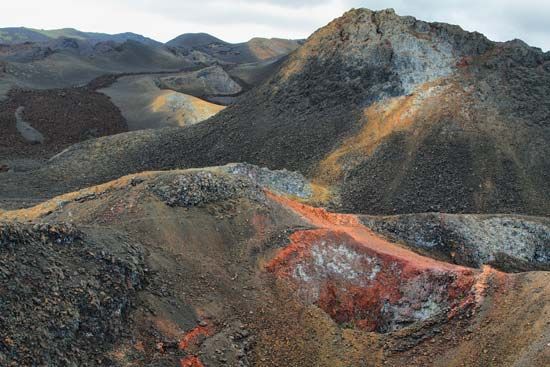
Isabela Island, like the rest of the Galápagos Islands, was formed by the accumulation of lava and is characterized by its shield volcanoes. The island is dominated by five volcanic craters, two of which remain active today.12
Regarding its age, the existing islands of the Galápagos archipelago were formed between 700,000 and 5,000,000 years ago, making them geologically young. While the provided search results do not specify the exact age of Isabela Island relative to the other individual islands in the chain, they confirm that the archipelago as a whole originated within this timeframe, with some older underwater seamounts dating back as far as 5,000,000 to 9,000,000 years ago.1
How did Charles Darwin’s visit to the Galápagos influence his theory of natural selection?
Charles Darwin’s visit to the Galápagos Islands in 1835 was a pivotal experience that provided critical evidence for his theory of natural selection, which he later detailed in On the Origin of Species (1859).678
Contrary to popular legend, the islands did not provide an immediate “eureka” moment. Instead, Darwin’s observations of the archipelago’s unique fauna raised questions that troubled him for years. Key influences included:72
- Biogeographical Patterns: Darwin noted that many species on the islands resembled those on the South American mainland but were distinct, suggesting they had arrived from the mainland and subsequently adapted to their isolated environments.78
- Variation Between Islands: He observed that closely related species, such as mockingbirds and giant tortoises, varied between different islands in the chain.72
- Adaptive Radiation: His study of Galápagos finches revealed how a single ancestral type could evolve into a multitude of species with specialized traits, such as varying beak shapes, to suit specific ecological niches.68
These observations helped Darwin articulate how speciation occurs through isolation and environmental adaptation, forming a cornerstone of his evolutionary framework.67
Sources
- Isabela Island — Encyclopædia Britannica
- Galapagos Islands — Encyclopædia Britannica
- Isabela Island — Merriam-Webster
- Fernandina Island — Encyclopædia Britannica
- tortoise — Encyclopædia Britannica
- What Darwin Got Right (and Wrong) About Evolution — Encyclopædia Britannica
- Today in History—September 15: Charles Darwin Visits the Galapagos Islands — Encyclopædia Britannica
- Charles Darwin - The Beagle voyage of Charles Darwin — Encyclopædia Britannica
Published on · 3 min read