Tortoise
Tortoises are a specific group of turtles belonging to the family Testudinidae. While all tortoises are turtles, not all turtles are tortoises; the primary…
What are the key characteristics that distinguish tortoises from other reptiles?
Tortoises are a specific group of turtles belonging to the family Testudinidae. While all tortoises are turtles, not all turtles are tortoises; the primary distinction lies in their habitat and specialized anatomy.123
Key characteristics that distinguish tortoises include:
- Exclusively Terrestrial: Unlike other turtles that spend significant time in water, tortoises live entirely on land, only interacting with water to drink or bathe.12
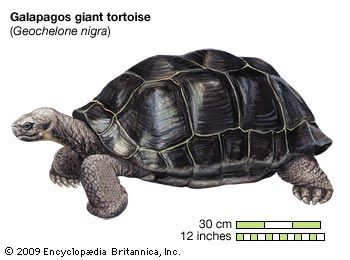
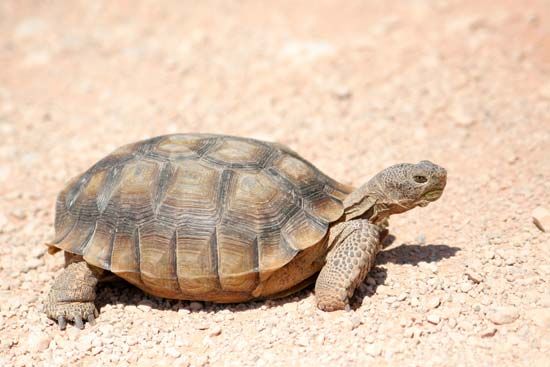
- Unique Limb Anatomy: Tortoises possess elephantine, or columnar, hind limbs and feet, which are adapted for walking on land rather than swimming. Their forelimbs are not flipperlike, and their hind feet lack webbing.12
- Digit Structure: Each digit in a tortoise’s feet contains two or fewer phalanges.12
- Dietary Habits: Most tortoises are vegetarians, consuming foliage, flowers, and fruits, whereas many other turtle species are omnivorous.12
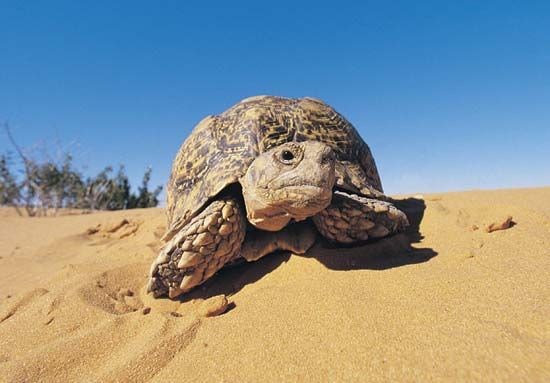
- Shell Shape: With the exception of the pancake tortoise, most species feature a high-domed shell, which serves as a defense mechanism against predators.14
How do tortoises adapt to their environment and what are their typical habitats?
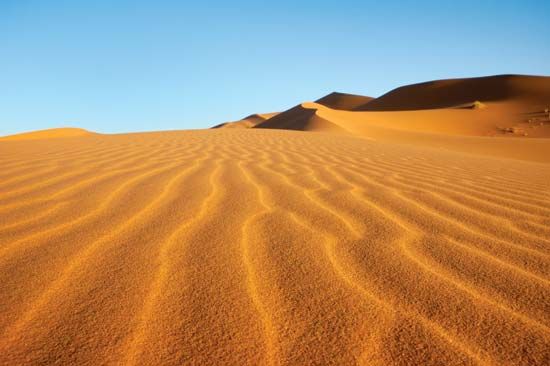
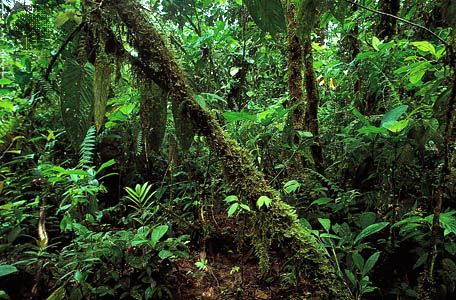
Tortoises are exclusively terrestrial turtles that have evolved specialized physical and behavioral traits to thrive in diverse environments, ranging from arid deserts to wet tropical forests.13
Environmental Adaptations
- Shell Morphology: Most tortoises possess a high-domed shell, which serves as a robust defense mechanism, making it difficult for predators to grasp or crush them. A notable exception is the pancake tortoise, which has a flattened shell that allows it to hide in rocky crevices. Once inside, it inflates its lungs to wedge itself securely against the rock.15
- Locomotion: Their anatomy is optimized for land travel, featuring elephantine, cylindrical hind limbs and stubby feet that support their weight on various terrains.1
- Sensory Capabilities: Tortoises possess well-developed senses, including color vision, which assist them in navigating their surroundings, avoiding predators, and locating food.5
- Dietary Flexibility: While primarily vegetarians consuming foliage, flowers, and fruits, some species in moist forest habitats are opportunistic and will consume animal matter or carrion.13
Typical Habitats
Tortoises are found on every continent except Australia and Antarctica. They occupy specific niches within their environments; for example, the gopher tortoise prefers open woodlands on sand ridges, while other species may inhabit dense forests or rocky outcroppings.13
What is the difference between a tortoise and a turtle?
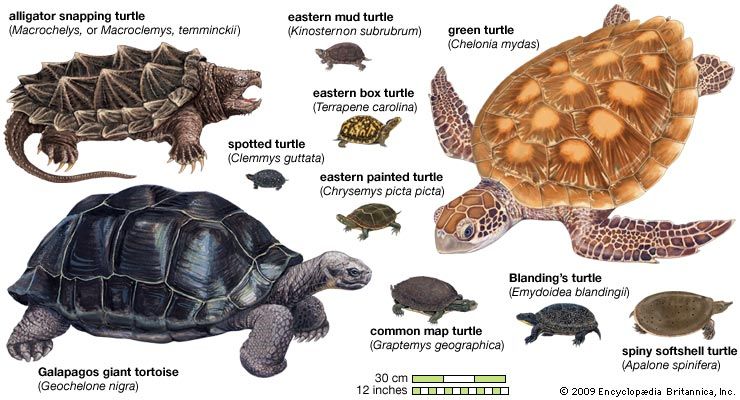
While the terms are often used interchangeably, there is a clear distinction between tortoises and other turtles. All tortoises are turtles—as both belong to the order Testudines—but not all turtles are tortoises.2
The primary differences include:
- Habitat: Tortoises are exclusively land-dwelling creatures. Unlike other turtles, which are often aquatic or semi-aquatic, tortoises generally only interact with water to drink or bathe.25
- Anatomy: Tortoises possess distinct, elephantine (columnar) hind limbs and feet adapted for walking on land, whereas aquatic turtles typically have webbed feet or flippers for swimming. Additionally, each digit in a tortoise’s foot contains two or fewer phalanges.2
- Diet: Tortoises are generally vegetarians, feeding on foliage, flowers, and fruits. In contrast, many other turtle species are omnivorous, consuming a variety of plant and animal matter.2
- Shell Shape: Most tortoises have high, domed shells that provide protection against predators. While some land turtles also have domed shells, aquatic turtles often have more streamlined shells to assist with movement in water.23
What do tortoises typically eat and how does their diet differ from other reptiles?
Tortoises are primarily herbivores that consume a wide variety of plants and plant parts, including leaves, grass, fruits, and even cactus. While they are largely vegetarian, some species living in moist forest habitats have been known to occasionally consume animal matter.789
This diet distinguishes them from the majority of modern reptiles, which are typically carnivorous and feed on various forms of animal life, such as insects, mollusks, frogs, fish, birds, or mammals. While many other turtles exhibit diverse feeding behaviors—ranging from strictly carnivorous species like the snapping turtle to omnivorous species that consume both vegetation and small animals—tortoises remain specialized as land-dwelling herbivores.879
Sources
- tortoise — Encyclopædia Britannica
- What’s the Difference Between a Turtle and a Tortoise? — Encyclopædia Britannica
- turtle - Form and function — Encyclopædia Britannica
- turtle — Encyclopædia Britannica
- turtle - Habitats — Encyclopædia Britannica
- Sahara: Top Questions — Encyclopædia Britannica
- What do turtles eat? — Encyclopædia Britannica
- reptile - Feeding habits — Encyclopædia Britannica
- turtle - Feeding behaviour — Encyclopædia Britannica
Published on · 3 min read