Kabompo River
The Kabompo River is a river located in south-central Africa. It originates in the high lands of northern Zambia, which serve as the watershed divide between…
What is Kabompo River?
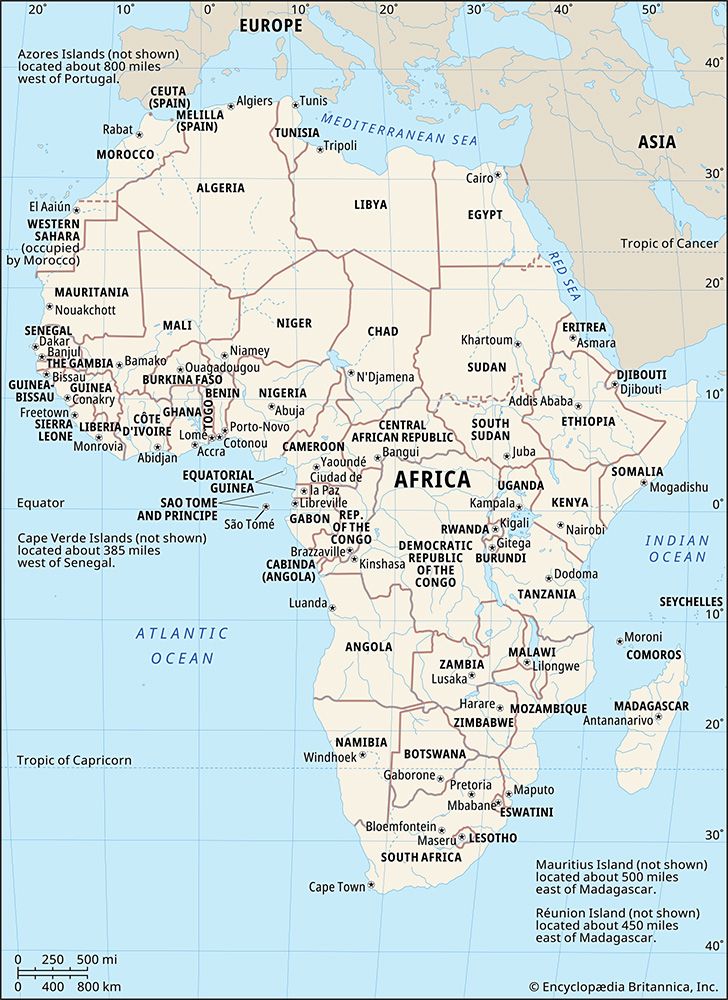
The Kabompo River is a river located in south-central Africa. It originates in the high lands of northern Zambia, which serve as the watershed divide between the Congo and Zambezi river systems.1
Spanning a course of approximately 275 miles (440 km), the river flows in a generally southern and western direction. It eventually serves as a significant tributary to the Zambezi River, joining it from the east in the region of the Barotse floodplains, north of Lukulu, Zambia.12
What is the significance of the Zambezi River to the region?
The Zambezi River is of immense significance to south-central Africa, serving as a vital natural, economic, and cultural artery for the region.
Energy and Infrastructure
The river is a cornerstone of regional energy production. It hosts two of Africa’s largest hydroelectric projects: the Kariba Dam and the Cahora Bassa dam. These facilities provide essential electricity to countries like Zambia and Zimbabwe. Additionally, the river acts as a critical transport link, with major bridges—such as the Victoria Falls Bridge—facilitating road, rail, and foot traffic across international borders.345
Agriculture and Economy
While the river’s natural barriers limit its use as a major trade route, its waters are indispensable for agriculture. Irrigation schemes, such as those at Sinazongwe, utilize water from Lake Kariba to support the production of wheat and cotton. Furthermore, the river’s floodplains support local fishing and cattle grazing, which are vital to the livelihoods of many communities.467
Natural and Cultural Heritage
The Zambezi is home to Victoria Falls, one of the world’s greatest natural wonders, which drives significant tourism. Culturally, the river is central to the identity of local peoples; for example, the Lozi people perform the Kuomboka ceremony, a traditional migration from the Zambezi floodplain to higher ground during the annual flood.348
How do river systems like the Congo and Zambezi differ?
The Congo River and the Zambezi River are two of Africa’s most significant river systems, yet they differ fundamentally in their drainage patterns, geography, and environmental characteristics.
Drainage and Direction
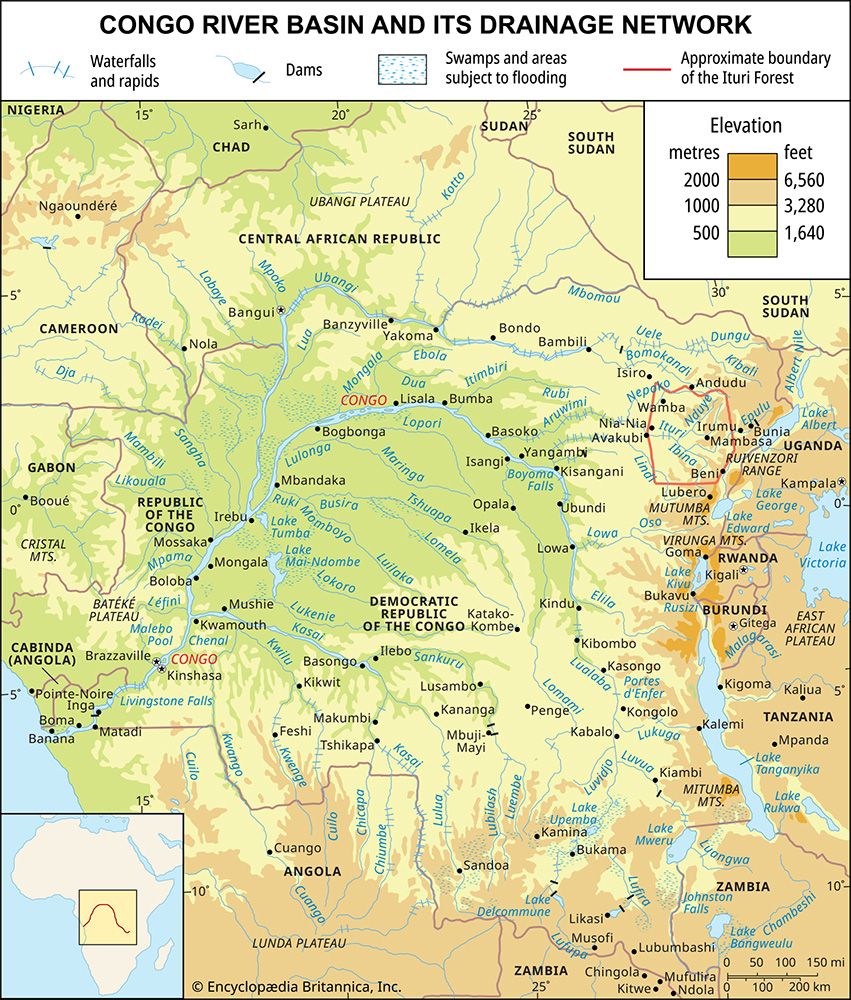
The primary distinction lies in their ultimate destination. A continental divide separates the two systems: the Congo River flows in a giant counterclockwise arc through west-central Africa before draining into the Atlantic Ocean. In contrast, the Zambezi River flows eastward across the continent to drain into the Indian Ocean.111213
Basin Characteristics
- Congo Basin: This is the world’s second-largest river basin, covering over 1.3 million square miles. It is defined by a central depression known as the cuvette, which is covered by the world’s second-largest rainforest and experiences equatorial rainfall throughout the year.141113
- Zambezi Basin: The Zambezi traverses diverse landscapes, including sandy plains and rift troughs. Unlike the Congo’s dense equatorial forest, the Zambezi basin is characterized by significant wetlands, such as the Kafue Flats and Bangweulu Swamps, and features dramatic geological drops like Victoria Falls.12
Navigability and Use
The Congo forms the continent’s largest network of navigable waterways, though its lower course is obstructed by 32 cataracts, including Inga Falls. The Zambezi, while vital for hydroelectric power through dams like Kariba and Cahora Bassa, has natural barriers that limit its utility as a major trade route.111312
What are some other major tributaries of the Zambezi River?
The Zambezi River is fed by numerous tributaries that contribute to its status as the fourth-largest river basin in Africa. These rivers vary in size and join the Zambezi at different stages of its 2,200-mile course.
Key tributaries include:
- Kafue River: Recognized as the Zambezi’s largest tributary, it rises on the Copperbelt and drains the Lukanga Swamp and Kafue Flats before joining the main river.32
- Luangwa River: A significant tributary that flows through a rift trough and joins the Zambezi in the middle course.32
- Shire River: The river’s last great tributary, which drains Lake Nyasa (Malawi) and joins the Zambezi near Vila Fontes in the lower course.3
- Kabompo River: Intersects the Zambezi along the Barotse, or Zambezi, Plain from the east.3
- Lungué-Bungo (Lungwebungo) River: A larger tributary that joins the Zambezi from the west along the plains.3
- Cuando (Kwando) River: Joins the Zambezi after the river meanders through the grasslands of the Sesheke Plain.3
Sources
- Kabompo River — Encyclopædia Britannica
- Zambezi River - Physiography — Encyclopædia Britannica
- Zambezi River — Encyclopædia Britannica
- Zambezi River - Navigation — Encyclopædia Britannica
- Zambia - Fishing — Encyclopædia Britannica
- Zambezi River - Kariba and Cahora Bassa schemes — Encyclopædia Britannica
- Zambia - Cultural milieu — Encyclopædia Britannica
- Zambezi River - Plant life — Encyclopædia Britannica
- Zambia - Agriculture — Encyclopædia Britannica
- Zambia - Plant and animal life — Encyclopædia Britannica
- Congo River: Top Questions — Encyclopædia Britannica
- Zambia - Drainage — Encyclopædia Britannica
- Congo basin — Encyclopædia Britannica
- Congo River - Animal life — Encyclopædia Britannica
- Congo River — Encyclopædia Britannica
Published on · 3 min read