Kent’s Cavern
Kent’s Cavern, located in Devonshire, England, is a significant archaeological site that provided early evidence of human coexistence with extinct animals.…

What significant archaeological findings have been discovered in Kent’s Cavern?
Kent’s Cavern, located in Devonshire, England, is a significant archaeological site that provided early evidence of human coexistence with extinct animals. Excavations conducted by William Pengelly between 1865 and 1880 established this connection through six distinct geological layers containing artifacts from the Roman, Iron, and Bronze Age, as well as Neolithic pottery.1
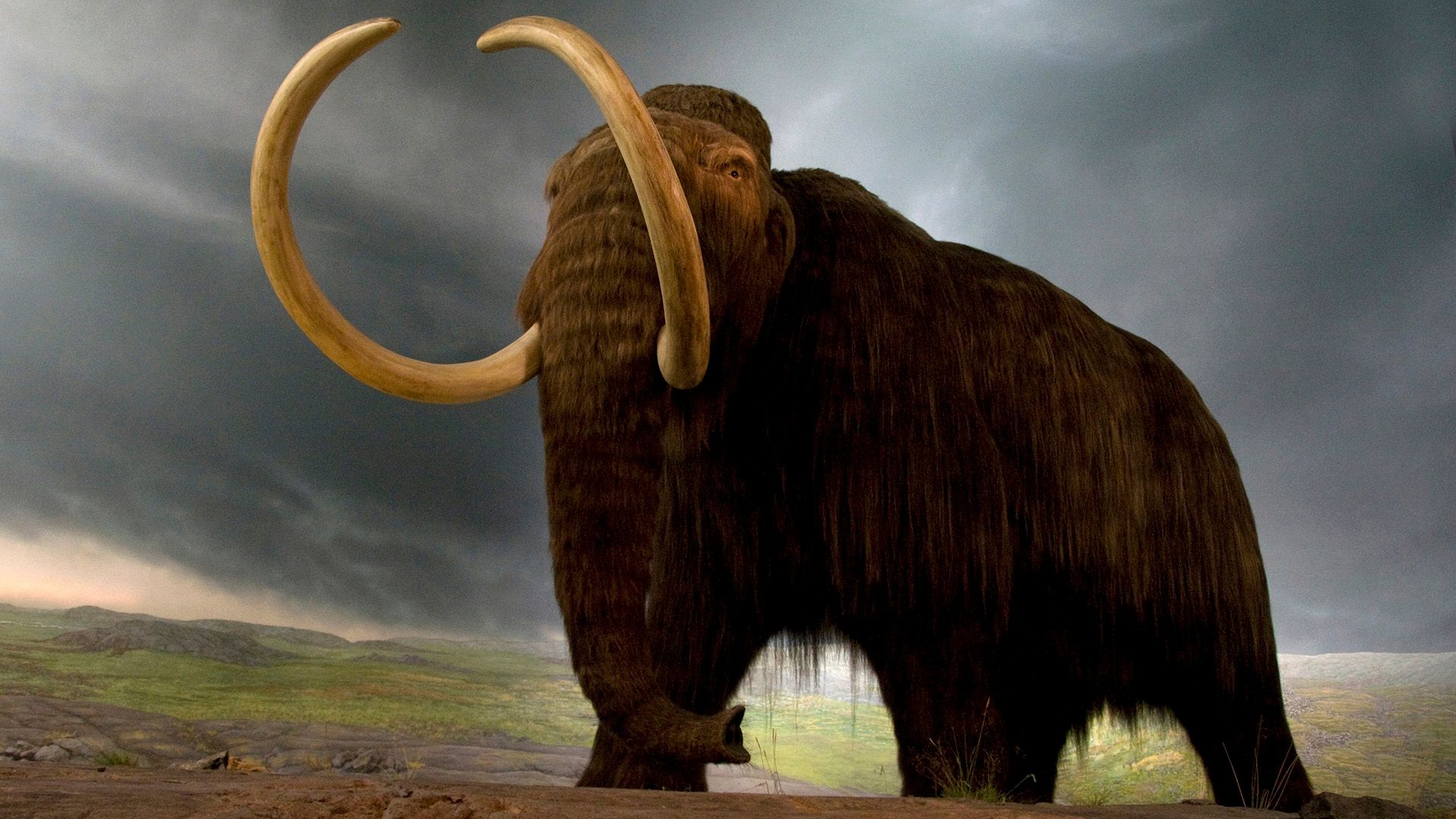
The site has yielded stone implements classified into five stages, including Mousterian, Middle Aurignacian, and Magdalenian industries. Faunal remains from the Pleistocene include the mammoth, woolly rhinoceros, and giant deer. Notably, a human upper jaw fragment discovered in 1927 has been dated to approximately 44,200–41,500 years ago, which some researchers identify as the earliest evidence of Homo sapiens in northwestern Europe.1
What is Kent’s Cavern and where is it located in England?
Kent’s Cavern is a large limestone cave situated near Torquay in Devonshire, England.1
It is internationally recognized for providing some of the earliest evidence of human coexistence with extinct animals. The site contains a complex stratigraphic record divided into six distinct layers, ranging from Roman, Iron, and Bronze Age artifacts to deeper deposits containing Pleistocene fauna such as the mammoth and woolly rhinoceros.1
Notably, the cave has yielded a human jaw fragment dated to approximately 44,200–41,500 years ago, which some researchers consider the earliest evidence of Homo sapiens in northwestern Europe1.
How were the caves at Kent’s Cavern formed?
The provided search results do not contain information regarding the specific formation of Kent’s Cavern. However, generally speaking, the largest and most common caves are solution caves, which are formed by the chemical reaction between circulating groundwater and bedrock composed of limestone or dolomite.3
Water seeping through soil into the bedrock, or surface streams sinking underground, percolates along fractures in the rock. This water, often containing carbonic acid derived from carbon dioxide, gradually dissolves the carbonate minerals, creating sizable passages over time. While these processes explain the general formation of such geological features, the specific history of Kent’s Cavern is not detailed in the provided data.2
How has Kent’s Cavern contributed to our understanding of human evolution and prehistory?
Kent’s Cavern has been instrumental in shaping our understanding of human evolution and prehistory by providing some of the earliest evidence of human coexistence with extinct animals.1
Key contributions include:
- Evidence of Early Human Presence: A human jaw fragment discovered in 1927 has been dated to approximately 44,200–41,500 years ago. Many scientists view this as the earliest evidence of Homo sapiens in northwestern Europe.1
- Chronological Stratigraphy: Excavations, notably those by William Pengelly, established a clear sequence of human activity through six distinct layers. These range from Roman, Iron, and Bronze Age artifacts to deeper, ancient deposits.1
- Technological Evolution: The site contains stone implements classified into five distinct typological stages, including Mousterian, Middle Aurignacian, and Magdalenian industries, which help track the development of prehistoric tool-making.1
Sources
- Kent’s Cavern — Encyclopædia Britannica
- Land of Ten Thousand Sinks — Encyclopædia Britannica
- cave — Encyclopædia Britannica
- cave - Solution caves — Encyclopædia Britannica
Published on · 2 min read