Kleptoparasitism
Kleptoparasitism is a feeding strategy in which one animal steals food or materials from another. Derived from the Greek word kleptes ("thief"), the term…
What is kleptoparasitism?
Kleptoparasitism is a feeding strategy in which one animal steals food or materials from another. Derived from the Greek word kleptes (“thief”), the term literally means “parasitism by theft”. This behavior occurs across many species, including mammals, birds, insects, and various sea creatures.12
Kleptoparasites are categorized into two types:12
- Obligate: These animals rely entirely on others to supply their food.12
- Facultative: These animals can forage or hunt on their own but may steal when the opportunity arises.12
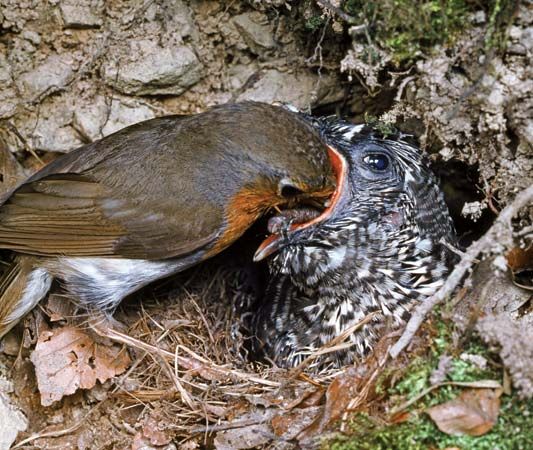
The practice can be intraspecific (within the same species) or interspecific (between different species). While it allows animals to save energy or obtain resources they cannot procure themselves, it carries the risk of injury if the target defends its kill. A specialized form of this behavior is brood parasitism, where animals like the cuckoo exploit the energy others expend on nest building or child care.12
What is the difference between kleptoparasitism and brood parasitism?
Kleptoparasitism and brood parasitism are both strategies where one organism exploits the efforts of another, but they differ primarily in the resources being stolen.
- Kleptoparasitism is a feeding strategy where an animal steals food or materials (such as nest-building supplies) directly from another individual. This behavior is often opportunistic and can occur between members of the same species or different species. The kleptoparasite saves the time and energy that would otherwise be spent hunting or foraging.3
- Brood parasitism is a specialized form of kleptoparasitism in which the parasite does not steal food directly. Instead, it exploits the energy a host expends on parental care or nest construction. By laying its eggs in the nest of another species, the brood parasite forces the host to raise the parasite’s offspring as its own.32
While a kleptoparasite typically targets immediate sustenance, a brood parasite targets the long-term reproductive investment of the host.3
How do animals defend their food against kleptoparasites?
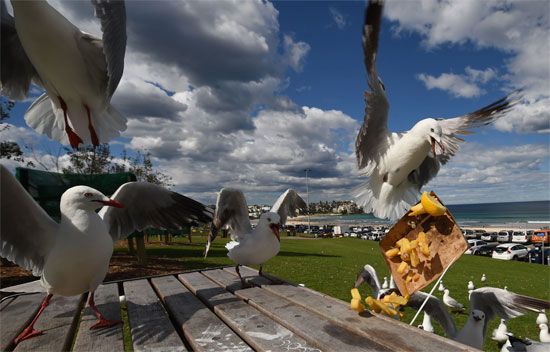
Animals employ various defensive strategies to protect their food from kleptoparasites, often relying on physical strength, group cooperation, or behavioral adaptations to deter theft. Because kleptoparasites risk injury when attempting to steal, targets that actively defend their resources can effectively discourage such behavior.25
Common defensive techniques include:
- Group Defense: Some species, such as African wild dogs, utilize their strength in numbers to protect a kill from competitors like hyenas.2
- Strategic Storage: To keep prey out of reach from opportunistic thieves, some predators, such as leopards, store their food in trees.2
- Physical Deterrents: In broader ecological contexts, animals may utilize physical structures, such as hard coverings or spines, to discourage antagonistic interactions, though these are often used against predators and grazers as well as potential thieves.1
Ultimately, the success of these defenses depends on the target’s ability to effectively ward off the parasite, as the risk of physical retaliation remains a primary deterrent for the kleptoparasite itself.25
What are some examples of obligate kleptoparasites in nature?
Obligate kleptoparasites are organisms that rely entirely on other animals to supply their food, lacking the ability to forage or hunt for themselves. While many animals engage in kleptoparasitism opportunistically, obligate species have evolved to be dependent on this specific feeding strategy.2
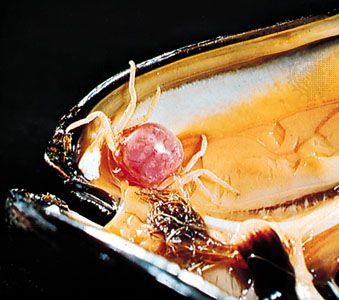
A primary example of an obligate kleptoparasite is the pea crab. These small crustaceans reside within the shells of bivalves, such as oysters, where they steal the food particles captured by their host.2
Additionally, many species classified as brood parasites—a specialized form of kleptoparasitism—are considered obligate. For instance, the more than 3,000 species of cuckoo bees are obligate parasites that lay their eggs in the nests of other bees. The cuckoo bee larvae hatch and consume the food stores intended for the host’s offspring, and in some cases, they also consume the host larvae themselves. Similar behaviors are observed in cuckoo wasps and certain sweat bees.2
Sources
- kleptoparasitism: Top Questions — Encyclopædia Britannica
- kleptoparasitism — Encyclopædia Britannica
- brood parasitism — Merriam-Webster
- parasitism — Encyclopædia Britannica
- antagonism — Encyclopædia Britannica
Published on · 3 min read