Kobuk Valley National Park
Kobuk Valley National Park is located in a remote wilderness area of northwestern Alaska, situated entirely north of the Arctic Circle.
Where is Kobuk Valley National Park located, and what makes it unique among U.S. national parks?
Kobuk Valley National Park is located in a remote wilderness area of northwestern Alaska, situated entirely north of the Arctic Circle.12
The park is unique for several reasons:
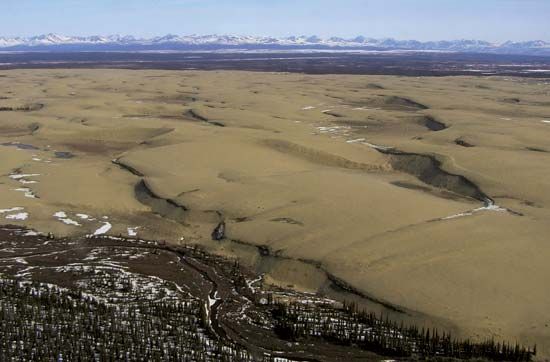
- Arctic Sand Dunes: It features the Great Kobuk Sand Dunes, which cover approximately 25 square miles. These dunes, which can rise 100 feet high, were formed by glacial activity about 150,000 years ago and represent an unusual landscape for an Arctic region.12
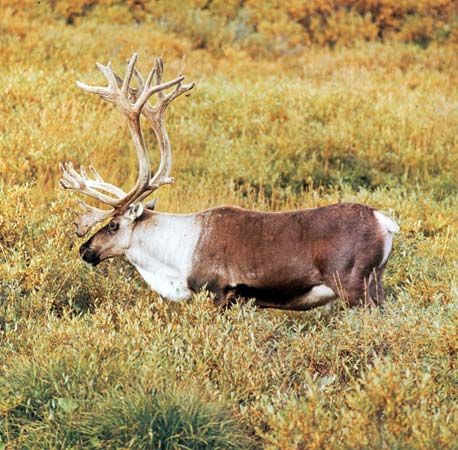
- Caribou Migration: The park serves as a critical corridor for the western herd of northern caribou. The herd traverses the park twice annually during its migration between wintering grounds and northern calving areas.1
- Human History: The area contains archaeological sites, such as the Orange Portage site, which provide evidence of at least 12,000 years of human occupation.12
- Accessibility: It is one of the most remote U.S. national parks, with no road access; visitors typically reach the park via small airplane from Kotzebue.1
What is the cultural significance of Kobuk Valley National Park to the indigenous Inupiaq people?
The Kobuk Valley National Park holds profound cultural significance for the indigenous Inupiaq people, who have maintained a connection to this land for at least 12,000 years.1
While the provided information confirms the presence of extensive archaeological sites—such as the Orange Portage site—which document this long history of human occupation, the specific cultural traditions, oral histories, or contemporary spiritual practices of the Inupiaq people within the park are not detailed in the available search results. The region remains a vital landscape where the natural environment, including the migration of the western caribou herd and the resources of the Kobuk River, has historically supported the subsistence lifestyles and cultural continuity of local communities.1
I cannot provide further details regarding specific cultural rituals or indigenous perspectives as that information is not contained in the current knowledge base.
What are the main geological features of Kobuk Valley National Park?
Kobuk Valley National Park, located in northwestern Alaska, is defined by several distinct geological features shaped by the region’s unique Arctic environment:1
- River Valley System: The park is centered on the Kobuk River, a slow-moving waterway that flows through a shallow valley. This valley acts as a natural divide between the Baird Mountains to the north and the Waring Mountains to the south.1
- Great and Little Kobuk Sand Dunes: Perhaps the most striking features, these dunes cover approximately 25 square miles southeast of the river. With crests reaching 100 feet in height, they are believed to have been formed about 150,000 years ago by glacial-outwash streams that emptied into a large, ancient lake.1
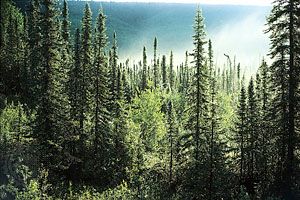
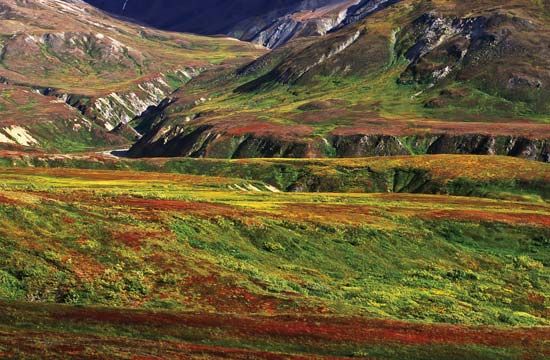
- Diverse Terrain: The landscape transitions from boreal forest (taiga) in the lower elevations to Arctic tundra as the terrain moves northward across the valley.1
What are some of the challenges faced in preserving and managing Kobuk Valley National Park?
Preserving and managing Kobuk Valley National Park presents unique challenges primarily due to its remote, Arctic location and its status as a vast, largely untouched wilderness.
- Logistical Accessibility: The park is extremely isolated, with no road access. Visitors must rely on small airplanes from Kotzebue, which complicates both tourism management and the logistical support required for park operations and maintenance.1
- Environmental Sensitivity: As an Arctic ecosystem, the park is highly susceptible to the impacts of climate change. Similar to conditions observed in other northern regions, such as the Arctic National Wildlife Refuge, the park faces potential threats from rising temperatures, including the degradation of permafrost and shifts in the migratory patterns of the western caribou herd, which is central to the park’s ecology.16
- Cultural Preservation: Managing the park requires balancing the protection of significant archaeological sites—which document 12,000 years of human history—with the ongoing needs of the local Inupiaq people who have deep historical and subsistence ties to the land.1
Sources
- Kobuk Valley National Park — Encyclopædia Britannica
- Kobuk Valley National Park — Merriam-Webster
- Great Sand Dunes National Park and Preserve — Encyclopædia Britannica
- Sossusvlei: Top Questions — Encyclopædia Britannica
- sand dune — Encyclopædia Britannica
- Noatak National Preserve — Encyclopædia Britannica
- Arctic National Wildlife Refuge — Encyclopædia Britannica
- Kluane National Park and Reserve — Encyclopædia Britannica
- Wrangell–Saint Elias National Park and Preserve — Encyclopædia Britannica
- Denali National Park and Preserve — Encyclopædia Britannica
Published on · 3 min read