Lady’s Slipper
The provided search results do not contain information regarding medicinal or cultural uses for lady's slipper orchids. The available documentation focuses…
Are there any medicinal or cultural uses for lady’s slipper orchids?
The provided search results do not contain information regarding medicinal or cultural uses for lady’s slipper orchids. The available documentation focuses on their botanical classification within the subfamily Cypripedioideae, their physical characteristics, and their status as endangered or threatened species in various regions.
While some species are known by common names such as “moccasin flower” or “slipper-root,” the provided text does not detail any historical, traditional, or pharmacological applications for these plants.
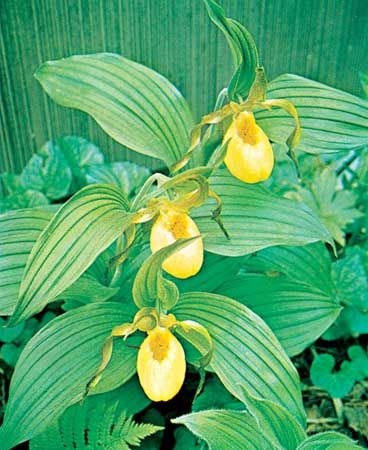
Are lady’s slipper orchids endangered, and if so, why?
Yes, many lady’s slipper orchids (subfamily Cypripedioideae) are considered endangered or threatened. Their vulnerability is largely due to their specialized ecological requirements and limited geographic ranges.
Specific examples of this status include:
- Mexipedium xerophyticum: This species is endemic to a very small region in Oaxaca, Mexico, and is classified as critically endangered.1
- Selenipedium: All six species within this genus, which are native to tropical America, are listed as endangered or threatened according to the IUCN Red List of Threatened Species.1
These orchids often face pressure from habitat loss and their specific environmental needs, such as the specialized conditions required for their growth on cliff faces or within particular tropical ecosystems. Because they rely on precise pollination mechanisms—where the slipper-shaped lip traps insects to ensure the transfer of pollen—any disruption to their local environment or pollinator populations can significantly threaten their survival.1
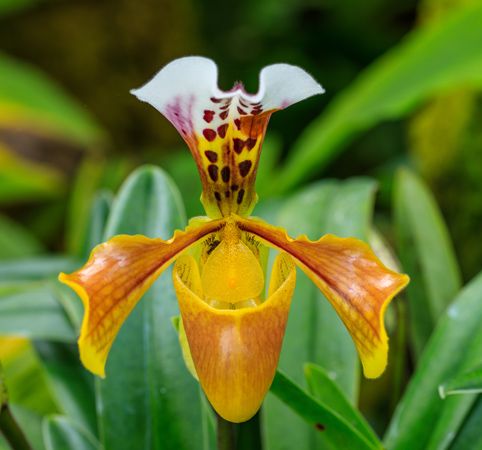
What pollinators are attracted to lady’s slipper orchids?
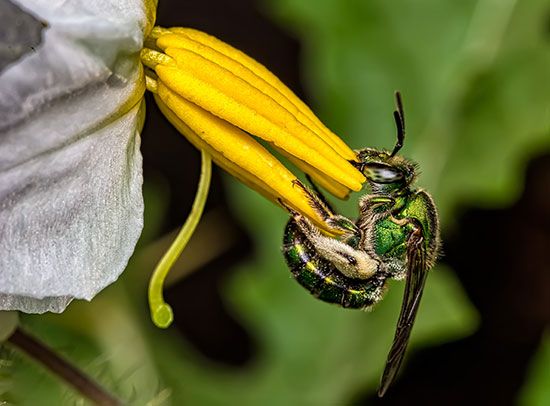
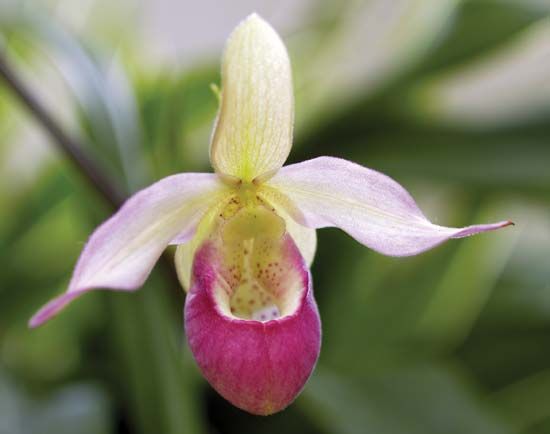
Lady’s slipper orchids (subfamily Cypripedioideae) rely on a specialized pollination strategy that utilizes their unique, slipper-shaped lip as a trap for insects.
The flower’s structure is designed to manipulate visitors:
- Entrapment: The slipper-shaped lip serves as a trap that forces visiting insects to climb past the flower’s reproductive structures.
- Pollination: As the insect navigates through the flower, it is forced to either deposit or receive pollinia (pollen masses) to ensure fertilization.6
While the provided search results highlight that many orchids in other genera use complex deception or specific attractants—such as euglossine bees attracted to scents or male bees tricked by mimicry—the primary mechanism for lady’s slippers is the physical entrapment of insects within the modified lip to ensure contact with the reproductive organs. Unlike many other bee-pollinated flowers that provide nectar as a reward, the specific interactions of lady’s slippers are defined by this “catch and release” structural manipulation.16
What are the specific growing requirements for lady’s slipper orchids in cultivation?
Cultivating lady’s slipper orchids (subfamily Cypripedioideae) requires understanding their diverse natural habitats, as their needs vary significantly by genus:
- Terrestrial Species: Most species in the genus Cypripedium are terrestrial, meaning they grow in soil. These plants typically feature rhizomes and fibrous roots that require specific soil conditions to thrive.
- Tropical and Specialized Species: Paphiopedilum species, which are popular in cultivation, often feature leathery, mottled leaves and prefer tropical conditions. In contrast, Mexipedium xerophyticum is adapted to extreme environments, specifically growing on dry cliff faces, which makes it highly specialized and difficult to replicate in standard home settings.
- Growth Habits: While most lady’s slippers are terrestrial, some species are epiphytic or lithophytic (growing on rocks). Providing the correct substrate—whether a specialized soil mix for terrestrial types or a mounting medium for epiphytes—is essential for their health.
Because these orchids have evolved to occupy niches ranging from temperate forests to tropical cliffs, successful cultivation depends on mimicking their specific native light, moisture, and drainage requirements.
Sources
- lady’s slipper — Encyclopædia Britannica
- lady's slipper — Merriam-Webster
- cypripedium — Merriam-Webster
- Indian slipper — Merriam-Webster
- slipper-root — Merriam-Webster
- orchid - Bee pollination — Encyclopædia Britannica
- Pollination - Bees — Encyclopædia Britannica
- Why are bees important? — Encyclopædia Britannica
- Botanical Sex: 9 Alluring Adaptations — Encyclopædia Britannica
Published on · 3 min read