Leptodesma
Leptodesma is an extinct genus of pelecypods (clams) that existed from the Silurian to the Lower Carboniferous periods, approximately 444 million to 318…
What is Leptodesma?
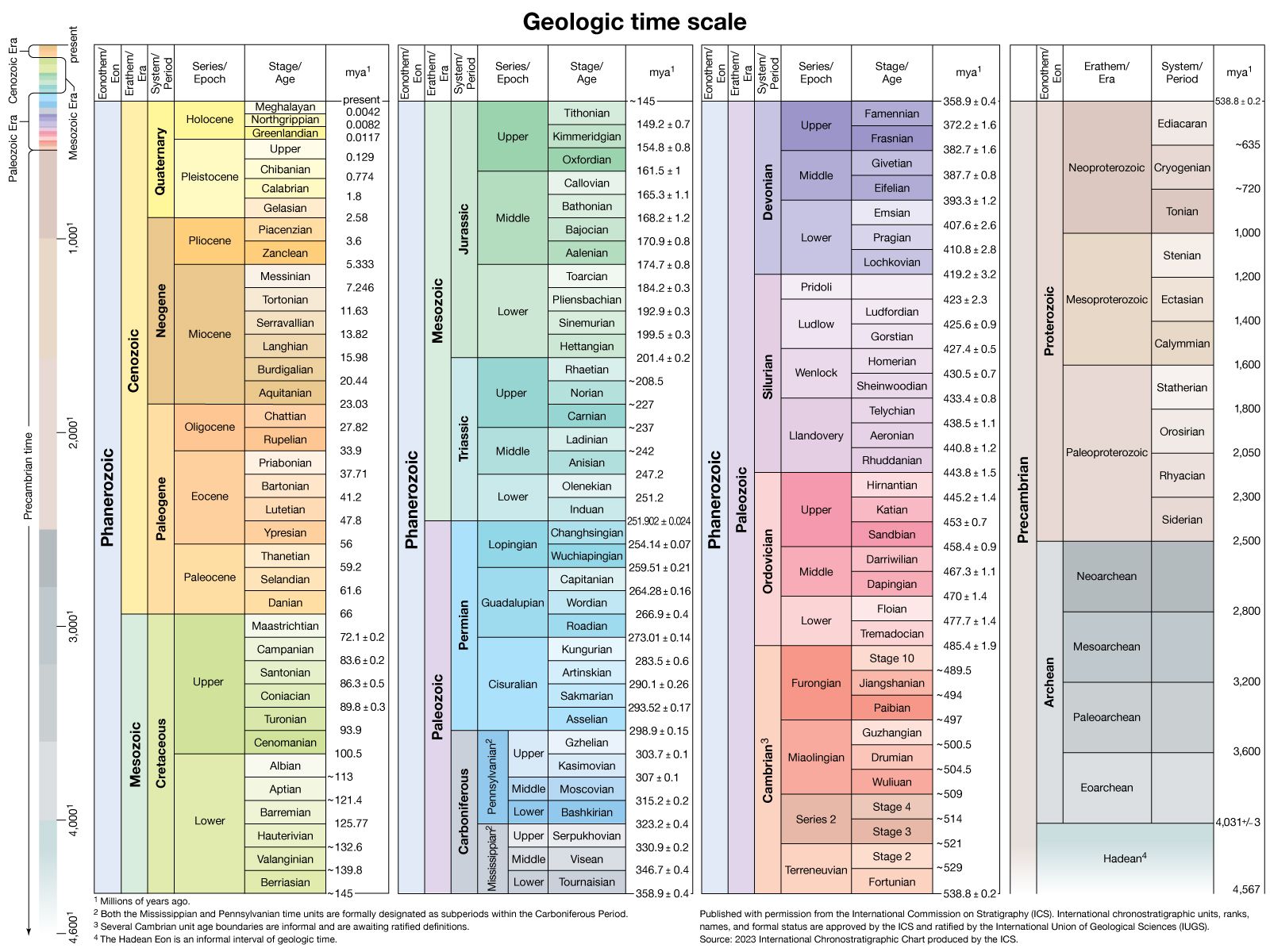
Leptodesma is an extinct genus of pelecypods (clams) that existed from the Silurian to the Lower Carboniferous periods, approximately 444 million to 318 million years ago.1
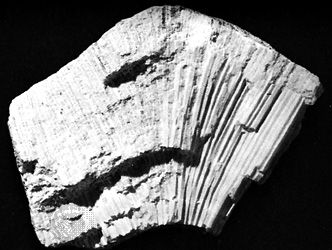
The genus is characterized by a distinct, roughly oval shell featuring a sharp, spinous outgrowth that extends posteriorly. This outgrowth is connected to the main body of the shell by a troughlike flange, and the shell surface displays concentric growth lines. These unique physical traits make Leptodesma relatively easy to identify in the fossil record.1
What are the main differences between bivalves and other types of mollusks?
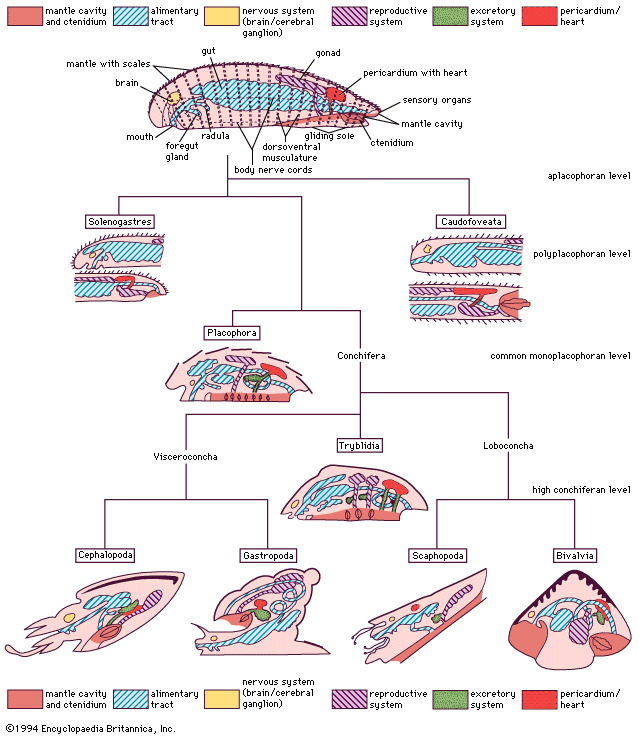
Bivalves (class Bivalvia) are distinguished from other mollusks primarily by their specialized body plan, which has evolved to support a largely sedentary, filter-feeding lifestyle.3
The most significant differences include:
- Shell Structure: Unlike the diverse shell forms found in other mollusks—such as the coiled shells of gastropods or the eight plates of chitons—bivalves possess a shell divided into two distinct, hinged valves (left and right) that enclose the body.34
- Loss of Head and Radula: Most mollusks possess a distinct head region and a radula (a rasping, tongue-like organ used for feeding). Bivalves have lost both of these features, as they rely on modified gills to filter food particles from the water.35
- Feeding Mechanism: While many other mollusks are active predators or grazers, bivalves are predominantly suspension or deposit feeders. Their respiratory ctenidia (gills) have evolved into complex organs that not only facilitate gas exchange but also capture microscopic food organisms.36
- Body Symmetry and Locomotion: Bivalves are typically laterally compressed. While some species use a muscular foot for burrowing, others have become sessile, attaching themselves to substrates using byssal threads or cementation, a lifestyle distinct from the active, muscular locomotion seen in many other molluscan classes.476
How do paleontologists use fossils like Leptodesma to understand ancient environments?
Paleontologists use fossils like Leptodesma to understand ancient environments by applying the principles of paleoecology. By examining the physical characteristics of these fossils, researchers can reconstruct the ecological niches that organisms occupied millions of years ago.1
Specifically, paleontologists utilize fossils in the following ways:
- Environmental Indicators: Fossilized organisms serve as proxies for the conditions of their time. By analyzing the biological community and the physical constraints of a species—such as whether it lived in seas, lakes, or bogs—scientists can infer the climate and environmental setting of the site where the organism was preserved.1
- Stratigraphic Correlation: Because Leptodesma has a distinct, easily identifiable shell, it can function as a tool for stratigraphic correlation. By comparing the presence of these fossils across different sedimentary layers and geographic locations, geologists can determine the relative age of rock strata and piece together the history of Earth’s geologic time.891
- Evolutionary Context: The study of fossilized shell structures, such as the growth lines and unique spinous outgrowths of Leptodesma, allows scientists to track morphological changes over time. These changes are often interpreted as adaptations to specific environmental pressures, providing insight into the evolution of the groupevolution](https://www.britannica.com/science/evolution-scientific-theory) of the group.18
What are some other examples of extinct marine life from the Silurian period?
The Silurian Period (443.4 million to 419.2 million years ago) was a time of significant marine recovery and diversification following the Late Ordovician mass extinction. The seafloor was characterized by extensive mound-type coral reefs, or bioherms, which supported a variety of life forms.121314
Examples of marine life from this period include:
- Corals: Reef-building was a defining feature of the era. Common tabulate corals included the honeycomb-like Favosites and chain corals such as Halysites, alongside Syringopora and Heliolites genera.14
- Stromatoporoids: These organisms were essentially armored, sponge-like creatures that often grew in flat, pancake-shaped layers on the seafloor.14
- Trilobites: While their diversity had been impacted by the preceding extinction, trilobites remained a common component of Silurian reef communities.121314
- Brachiopods and Crinoids: These suspension-feeders were abundant in the shallow, tropical to subtropical seas of the time.1214
- Nautiloids: As predators, these cephalopods became increasingly common and successful in the open ocean (pelagic) environments during the Silurian.15
- Fishes: The period saw the widespread presence of agnatha (jawless fishes) and the emergence of early fishes with primitive jaws.1215
Sources
- Leptodesma — Encyclopædia Britannica
- bivalve - Internal features — Encyclopædia Britannica
- bivalve — Encyclopædia Britannica
- mollusk - Annotated classification — Encyclopædia Britannica
- What’s the difference between clams, mussels, and oysters? — Encyclopædia Britannica
- bivalve - Size range and diversity of structure — Encyclopædia Britannica
- bivalve - Classification — Encyclopædia Britannica
- fossil record — Encyclopædia Britannica
- dating - Principles and techniques — Encyclopædia Britannica
- geology - Paleontology — Encyclopædia Britannica
- bivalve - Evolution and paleontology — Encyclopædia Britannica
- A Journey Through Time Since the Precambrian - Silurian Period: 443.4 million to 419.2 million years ago — Encyclopædia Britannica
- Silurian Period - Late Ordovician mass extinction — Encyclopædia Britannica
- Cambrian explosion — Encyclopædia Britannica
- Silurian Period - Reef mounds and coral biostromes — Encyclopædia Britannica
- trilobite — Encyclopædia Britannica
Published on · 3 min read