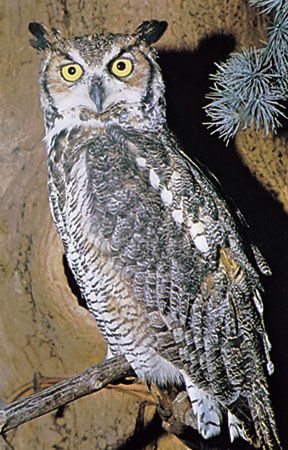
Long-eared Owl
The long-eared owl (Asio otus) is a nocturnal bird of prey belonging to the family Strigidae. Native to the woodlands of northern Europe and America, this…

What is Long-eared owl?
The long-eared owl (Asio otus) is a nocturnal bird of prey belonging to the family Strigidae. Native to the woodlands of northern Europe and America, this species is easily identified by its prominent, long ear tufts.12
Physically, the long-eared owl is approximately 30 cm (about 1 foot) in length. Its plumage is characterized by a mottled, brownish appearance on the upper body, while its underparts are white with dark streaks. As a predator, its diet is varied and includes mice, birds, fish, frogs, and insects. Like other owls, it typically swallows its prey whole and later regurgitates indigestible materials—such as fur, feathers, and bones—in the form of a compact pellet.13
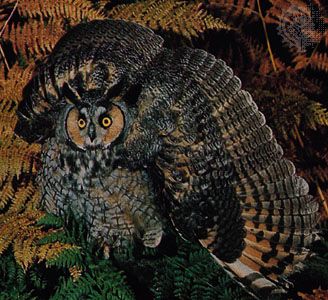
What is the purpose of an owl’s ear tufts?
It is a common misconception that an owl’s ear tufts are used for hearing. In reality, these tufts—often called “horns”—are simply erectile feathers controlled by small muscles under the skin that have no function in the bird’s auditory process.5
The primary purpose of these tufts is to assist in camouflage. By elevating the tufts, an owl can break up the round outline of its head, helping it blend into its surroundings and appear more like a broken branch or part of a tree. This is particularly useful when the owl is attempting to avoid detection while resting at its daytime roost.67
While the tufts are decorative and functional for concealment, an owl’s actual hearing is facilitated by asymmetrical ear openings located on the sides of the head, which allow the bird to pinpoint the location of sounds with extreme precision.56
How do owls produce and regurgitate pellets?
Owls typically consume their prey whole, which means they ingest both digestible and indigestible components. Once the prey is swallowed, the owl’s digestive system processes the soft tissues, while the indigestible materials—such as bones, fur, and feathers—remain in the gizzard.
Over several hours, these materials are compressed into a firm, compact mass known as a pellet. Once the pellet is fully formed, the owl regurgitates it through its mouth. This process is a standard part of the feeding behavior for many owl species, allowing them to clear their digestive tracts of waste that cannot be broken down.2
What are the main differences between long-eared and short-eared owls?
The long-eared owl (Asio otus) and the short-eared owl (Asio flammeus) are distinct species within the family Strigidae, differing primarily in their preferred habitats and hunting behaviors.
Habitat and Hunting
- Long-eared Owl: This species is typically associated with woodlands across northern Europe and North America. They often secure their prey by dropping down from perches located at the edges of forest openings.14
- Short-eared Owl: This species is one of the most widely distributed owls globally and is adapted to open environments such as grasslands and tundra. Unlike the long-eared owl, it hunts by sustained flight, scanning the ground before dropping into the grass to capture rodents.24
Physical Characteristics
While both belong to the same genus, they are distinguished by their appearance:
- Long-eared Owl: As the name suggests, this owl is recognized by its prominent, long ear tufts. It is approximately 30 cm (1 foot) long and features brownish, mottled, and streaked plumage with white underparts.1
- Short-eared Owl: While also possessing “ear” tufts, they are significantly less conspicuous than those of the long-eared owl.2
Sources
- Long-eared owl — Encyclopædia Britannica
- Owl - Ecology — Encyclopædia Britannica
- long-eared owl — Merriam-Webster
- Owl - General features — Encyclopædia Britannica
- How Do Birds Hear? — Encyclopædia Britannica
- Owl - Form and function — Encyclopædia Britannica
- Owl - Behaviour — Encyclopædia Britannica
Published on · 3 min read