Short-eared Owl
The short-eared owl (Asio flammeus) is a stocky bird of prey belonging to the family Strigidae. Measuring approximately 40 cm (1.3 feet) in length, it is…

What is Short-eared owl?
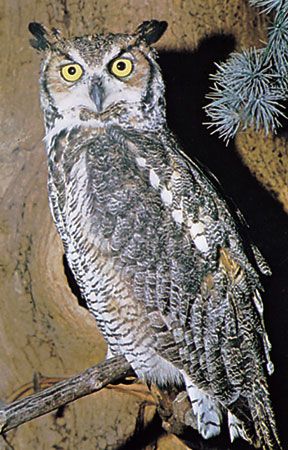
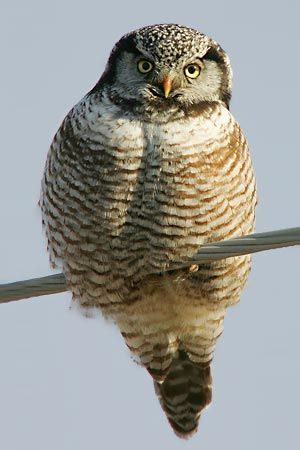
The short-eared owl (Asio flammeus) is a stocky bird of prey belonging to the family Strigidae. Measuring approximately 40 cm (1.3 feet) in length, it is characterized by a prominent facial disk and inconspicuous, rudimentary ear tufts on the front of its head. Its plumage is brown with white spots above and pale with streaks on the breast.12
This species is one of the most widely distributed owls in the world, with a circumpolar range extending from the Arctic to the North Temperate Zone, including populations in Hawaii and much of South America. Unlike many other owls, short-eared owls prefer open country and are frequently active during the daytime. They are known for nesting on the ground, often in colonies, and their diet consists primarily of mice, birds, insects, and frogs.12
Why are short-eared owls active during the day?
While the short-eared owl is frequently observed hunting during the daytime, the provided search results do not explicitly state the biological or evolutionary reasons for this diurnal activity.
It is noted that these owls prefer open country, such as grasslands and tundra, where they hunt by sustained flight to catch rodents. While many other owls are nocturnal, the short-eared owl’s behavior allows it to occupy a different niche in its environment compared to woodland species that typically hunt from perches.145
How do owls use silent flight to hunt?
Owls achieve silent flight primarily through the unique structure of their plumage. The upper surfaces of their flight feathers are covered in a soft, dense nap that effectively muffles the sound of air moving over the wings during flight.6
This adaptation is critical for their hunting success, as it allows an owl to fly toward its prey without the interference of flight noise. By eliminating this sound, the owl can better utilize its acute hearing to localize the subtle rustling of prey, such as a mouse moving through leaves, even in total darkness. This silent approach, combined with their ability to pinpoint sound sources using asymmetrical ear openings, makes them highly effective predators.6
What makes the short-eared owl’s ground-nesting habit unique?
The short-eared owl (Asio flammeus) is distinct among many owl species because it nests directly on the ground rather than in tree cavities, cliffs, or abandoned nests of other birds. This ground-nesting habit is particularly notable because the species often chooses to nest in colonies, a social behavior that is less common among many other owl species.81
By nesting in open environments such as grasslands and tundra, these owls adapt to habitats where traditional nesting sites like trees may be scarce. While most owls rely on the protection of a cavity, the short-eared owl’s ground-nesting strategy is an evolutionary response to its specific ecological niche. Like other ground-nesting birds, they may add soft materials such as grass or leaves to the site to provide a cushion for their eggs. This behavior highlights their ability to thrive in expansive, open landscapes where they can effectively hunt and raise their young.81
Sources
- Short-eared owl — Encyclopædia Britannica
- short-eared owl — Merriam-Webster
- Owl - Behaviour — Encyclopædia Britannica
- Owl - General features — Encyclopædia Britannica
- Owl - Ecology — Encyclopædia Britannica
- Owl - Form and function — Encyclopædia Britannica
- Owl - Locomotion — Encyclopædia Britannica
- Owl - Reproduction and development — Encyclopædia Britannica
- Reproductive behaviour - Parental care — Encyclopædia Britannica
- Caprimulgiform - Natural history — Encyclopædia Britannica
Published on · 2 min read