Magdalen Islands
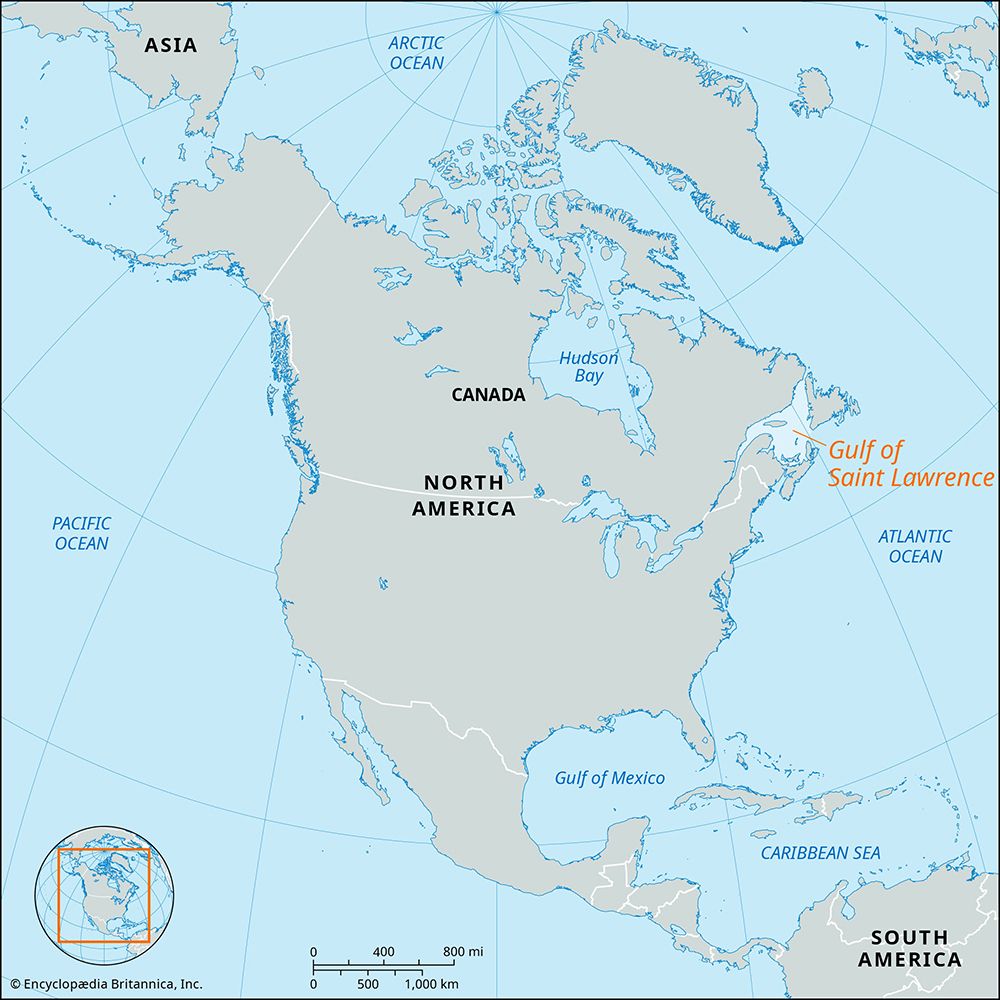
The Magdalen Islands (French: Îles de la Madeleine) are a group of islands located in the southern Gulf of St. Lawrence, situated between Prince Edward…
What is Magdalen Islands?
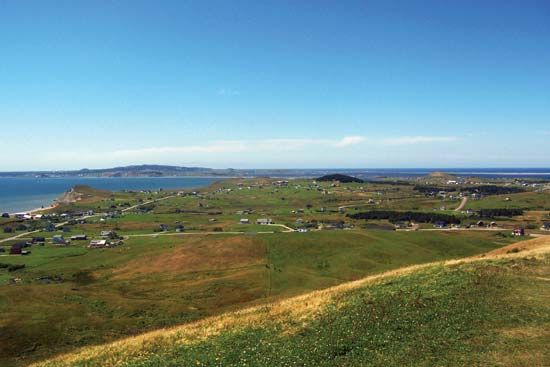
The Magdalen Islands (French: Îles de la Madeleine) are a group of islands located in the southern Gulf of St. Lawrence, situated between Prince Edward Island and Newfoundland. Part of the Gaspésie–Îles-de-la-Madeleine region in eastern Quebec, Canada, the archipelago consists of nine main islands and numerous islets arranged in an arc.12
The islands were discovered by French explorer Jacques Cartier in 1534. Today, the population is primarily composed of French Canadians, and the local economy is driven by tourism, fishing, and fish processing. The largest islands in the group include Havre-Aubert (Amherst), Cap aux Meules (Grindstone), Loup (Wolf), and Havre aux Maisons (Alright).1
What role did Jacques Cartier play in Canadian history?
French mariner Jacques Cartier played a pivotal role in Canadian history by conducting three major expeditions between 1534 and 1542 that established the foundation for French claims to North America2 that established the foundation for French claims to North America.3
Key aspects of his historical impact include:
- Exploration: Cartier was the first European to navigate the St. Lawrence River, exploring the Gulf of St. Lawrence and reaching as far as the island of Montreal) and reaching as far as the island of Montreal.34
- Naming Canada: He is credited with naming Canada, deriving the term from the Huron-Iroquois word kanata, meaning a village or settlement.53
- Colonial Foundation: His reports encouraged King Francis I to pursue a New France colony, though his own attempts to establish settlements were marred by severe winters, scurvy, and failed searches for precious metals scurvy, and failed searches for precious metals.34
- Legacy: While his failure to support Lord Roberval and his treacherous treatment of First Nations people are viewed critically, his voyages provided the essential geographical knowledge that maintained French interest in the region for future colonization.34
How does the climate of the Gulf of St. Lawrence affect island life?
The climate of the Gulf of St. Lawrence significantly shapes life on the islands within it, primarily through the challenges posed by ice, fog, and seasonal variability.
- Navigation and Hazards: The presence of ice floes is a defining characteristic of the gulf. While ice formation is typically delayed until mid-February due to salinity and water mass, the resulting ice and frequent heavy fog create significant maritime hazards, historically leading to numerous shipwrecks.1
- Economic Impact: The fishing and fish processing industries, which are central to island life, are highly volatile. These sectors are directly influenced by weather conditions and environmental shifts that affect fish stocks. For instance, abnormal water temperatures can impact the health and availability of groundfish, leading to severe socioeconomic consequences for communities dependent on these resources.67
- Seasonal Connectivity: The timing of the annual thaw dictates maritime traffic, with the Cabot Strait typically opening for navigation a month earlier than the Strait of Belle Isle, directly affecting the movement of goods and people.1
What are some unique traditions of the French Canadian culture there?
French Canadian culture is rich with traditions that reflect its deep historical roots and regional diversity. Key cultural practices include:
- Fête Nationale du Québec: Observed on June 24, this official holiday honors the patron saint of French Canadians, John the Baptist. Celebrations often begin the night before with bonfires—a tradition dating back to 1636—along with dancing and the singing of traditional folk songs. The day itself features parades, Roman Catholic masses, and concerts.1
- Regional Festivals: In New Brunswick, cultural life is marked by events that celebrate the province’s heritage, such as the blessing of the Acadian fishing fleet at Caraquet. These festivals help retain the flavor of the past and the traditions of early settlers.10
- Music and Folklore: Traditional music remains a vital part of the culture, featuring folk idioms that vary by region. In Acadian communities, for example, music often blends French, Creole, and Celtic influences, utilizing instruments like the fiddle, accordion, and spoons.1011
- Literary Revitalization: Since the 1970s, Francophone minorities outside of Quebec have experienced a surge in literary production, helping to preserve and evolve their unique identities through theater, poetry, and novels.12
Sources
- Magdalen Islands — Encyclopædia Britannica
- Magdalen Islands — Merriam-Webster
- Jacques Cartier: Top Questions — Encyclopædia Britannica
- Jacques Cartier — Encyclopædia Britannica
- Canada - Jacques Cartier — Encyclopædia Britannica
- Gulf of Saint Lawrence — Encyclopædia Britannica
- New Brunswick - Agriculture, forestry, and fishing — Encyclopædia Britannica
- Gaspé Current — Encyclopædia Britannica
- Grand Banks — Encyclopædia Britannica
- Fête Nationale du Québec — Encyclopædia Britannica
- North America - French policy — Encyclopædia Britannica
- New France — Encyclopædia Britannica
- New Brunswick - Cultural life — Encyclopædia Britannica
- Canadian literature - The French language in Canada — Encyclopædia Britannica
- Cajun — Encyclopædia Britannica
- Canadian literature - The Quiet Revolution of French Canadian minorities — Encyclopædia Britannica
Published on · 3 min read