Gulf of Saint Lawrence
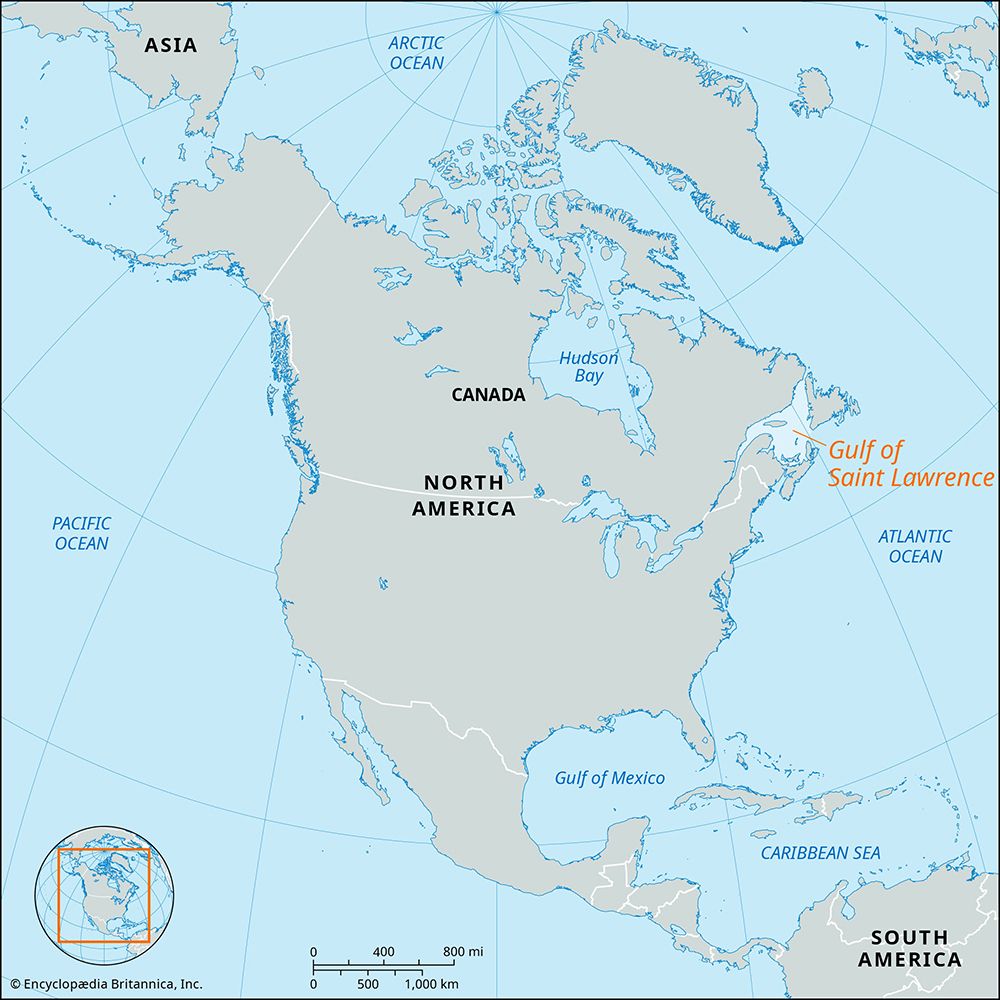
The Gulf of Saint Lawrence served as the vital maritime gateway for European entry into the North American interior, playing a foundational role in the…
What historical significance does the Gulf of Saint Lawrence have in Canadian exploration and settlement?
The Gulf of Saint Lawrence served as the vital maritime gateway for European entry into the North American interior, playing a foundational role in the history of New France role in the history of New France.31
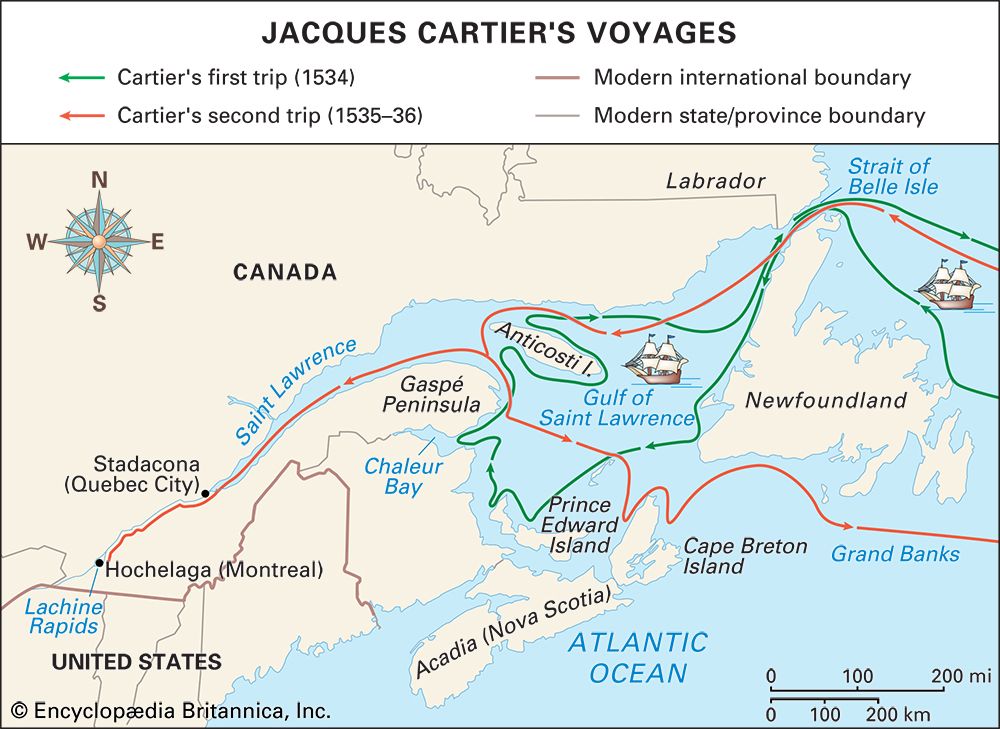
In 1534, French explorer Jacques Cartier navigated the gulf and claimed its surrounding shores for the French crown, marking the beginning of formal French interest in the region. The gulf provided the necessary access for Cartier to ascend the Saint Lawrence River, leading to early, albeit unsuccessful, attempts at colonization near present-day Quebec.213
Beyond its role in initial exploration, the gulf became the primary conduit for the fur trade, which drove the economic and strategic expansion of French influence. Its geography—connecting the Atlantic to the river system—made it a focal point for colonial competition between France and Britain, as control of the gulf and the river estuary was essential for maintaining supply lines and securing the interior of the continent.14
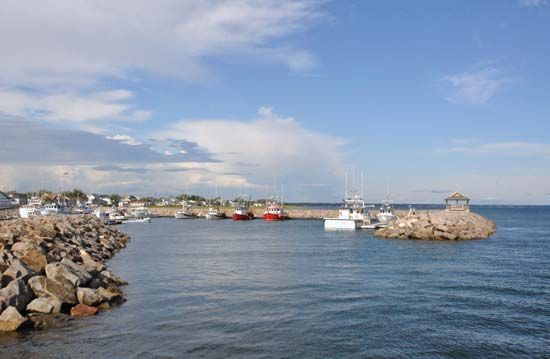
What are the main rivers that flow into the Gulf of Saint Lawrence?
The Gulf of Saint Lawrence is primarily fed by the Saint Lawrence River, which serves as its main hydrographic gateway. While the Saint Lawrence River itself is a massive system that includes major tributaries like the Ottawa River and the Saguenay River, these rivers flow into the Saint Lawrence system before reaching the gulf.57
It is important to note that the gulf is also replenished by significant marine exchanges through three primary “gateways”:
- The Maritime Estuary: The mouth of the Saint Lawrence River.5
- The Strait of Belle Isle: Connecting the gulf to the north.5
- Cabot Strait: The primary connection to the Atlantic Ocean in the south.5
Other rivers in the region, such as the Saint John River, flow into different bodies of water, such as the Bay of Fundy, rather than directly into the Gulf of Saint Lawrence.3
What role does the Gulf of Saint Lawrence play in Canada’s fishing industry?
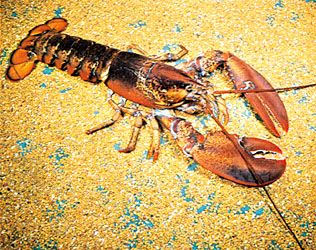
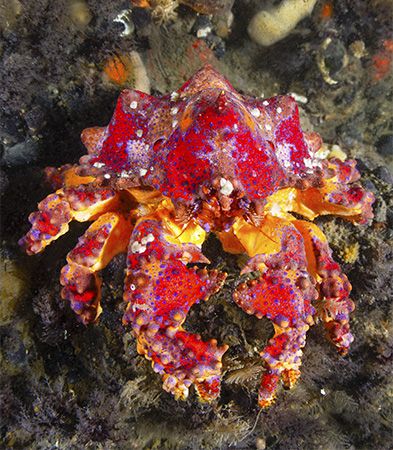
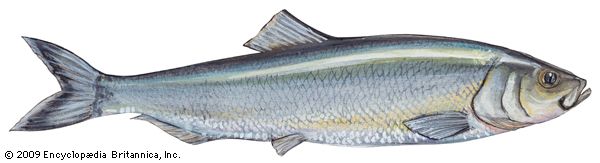
The Gulf of Saint Lawrence is a vital component of Canada’s fishing industry, serving as a major harvesting area for a variety of North Atlantic species. The region supports significant commercial activity, with catches including lobster, crab, scallops, herring, cod, and mackerel.9
Historically, the gulf has been a site of international fishing interest since the 16th century, when European vessels began exploiting its resources. Today, the industry remains highly dependent on government regulation and support due to the volatility of fish stocks, environmental shifts, and foreign competition. To supplement traditional wild-capture fisheries, the region has also seen the development of aquaculture, which utilizes hatcheries to produce species such as salmon, trout, mussels, and oysters.10911
While the industry provides essential employment for many coastal communities, it faces ongoing challenges related to the sustainability of marine resources, necessitating strict management of catch limits and quotas to prevent overexploitation.91211
What types of marine life can be found in the Gulf of Saint Lawrence?
The Gulf of Saint Lawrence supports a diverse range of marine life, characterized by species adapted to its stratified water layers and varying salinity levels.
Marine Fauna
The biological community of the gulf includes a variety of aquatic animals:
- Fish: The waters are home to species such as sturgeon, smelt, and herring.3
- Mammals: The beluga (white whale) is a notable inhabitant of the gulf.3
- Mollusks: The region supports populations of mollusks, including the soft-shell clam (Mya arenaria).3
Avian and Plant Life
Beyond strictly marine organisms, the gulf serves as a critical habitat for migratory birds and specialized vegetation:
- Migratory Birds: The area is known for the massive migration of ducks, bustards, and geese, which utilize the sandy shores and reefs as seasonal feeding grounds.3
- Vegetation: The surrounding landscape features diverse forest zones, including deciduous, mixed, and coniferous forests, as well as open taiga. Within the coastal and estuarine environments, one can find halophytic (salt-tolerant) plants that have adapted to the saline conditions of the gulf.3
Sources
- Canada - Jacques Cartier — Encyclopædia Britannica
- Jacques Cartier — Encyclopædia Britannica
- Gulf of Saint Lawrence — Encyclopædia Britannica
- Canada - Royal control — Encyclopædia Britannica
- St. Lawrence River - Physiography — Encyclopædia Britannica
- New France — Encyclopædia Britannica
- St. Lawrence River — Encyclopædia Britannica
- Saint John River — Encyclopædia Britannica
- Grand Banks — Encyclopædia Britannica
- Newfoundland and Labrador - History — Encyclopædia Britannica
- New Brunswick - Agriculture, forestry, and fishing — Encyclopædia Britannica
- Canada - Fishing — Encyclopædia Britannica
- Atlantic Ocean - Fisheries of the Atlantic Ocean — Encyclopædia Britannica
- St. Lawrence River - Plant and animal life — Encyclopædia Britannica
Published on · 3 min read