Niuatoputapu
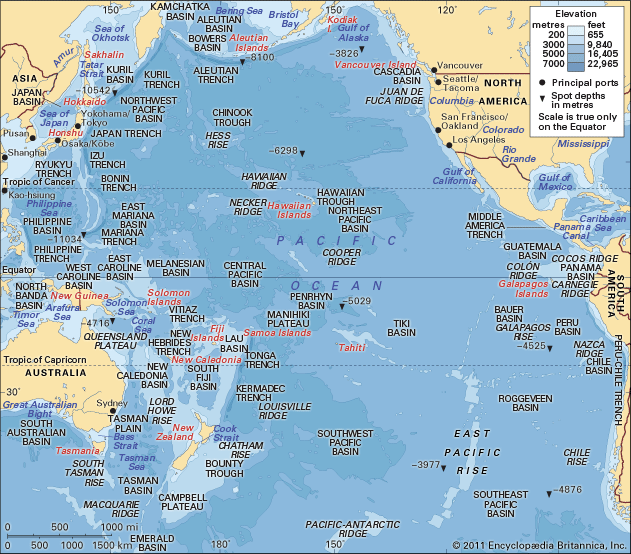
Niuatoputapu is located in the southwestern Pacific Ocean and serves as one of the northernmost islands of the Kingdom of Tonga.
Where is Niuatoputapu located within the Kingdom of Tonga?
Niuatoputapu is located in the southwestern Pacific Ocean and serves as one of the northernmost islands of the Kingdom of Tonga.1
It is a key member of the Niuatoputapu group—often referred to as the Niuas—which also includes the islands of Niuafoʻou and Tafahi. Within this island group, the village of Hihifo on the southwestern part of Niuatoputapu functions as the administrative center.12
What is the population of Niuatoputapu, and how do people live on the island?
The available data does not provide a specific, current population count for Niuatoputapu alone; the 2006 preliminary census data lists the population for the entire Niuas group—which includes Niuatoputapu, Niuafoʻou, and Tafahi—at 1,652 people.1
Life on Niuatoputapu is centered around agriculture and maritime connectivity. The island’s economy relies on the production of copra, limes, and breadfruit. Residents maintain connections to the broader region through interisland shipping between Tonga and Samoa, and the island is served by an airport at Mataʻaho. Additionally, a wharf at Falehau provides anchorage for visiting yachts.13
The islanders have shown significant resilience following the 2009 tsunami, which caused loss of life and destroyed coastal villages. Generally, life in Tonga is supported by subsistence and cash crop agriculture, with land traditionally allocated to male citizens for cultivation.13
How has Niuatoputapu’s history been influenced by Tongan culture and European contact?
Niuatoputapu’s history is deeply intertwined with the broader development of the Kingdom of Tonga, shaped by both indigenous cultural structures and the transformative impact of European contact.1
Tongan Cultural Influence
As part of the Niuas island group, Niuatoputapu shares the foundational heritage of the Tongan people, who have inhabited the region for approximately 3,000 years. The island’s social fabric is rooted in traditional Polynesian practices, including an oral tradition of genealogies, myths, and poetry, as well as communal rituals such as the preparation and consumption of kava. These cultural elements have persisted despite the significant changes introduced by Western influence.15
European Contact and Transformation
European contact, which became effective following the voyages of James Cook in the late 18th century, fundamentally altered the political and religious landscape of the islands.1
- Missionary Impact: The arrival of Methodist missionaries in the 1820s led to the widespread adoption of Christianity, which became a central pillar of Tongan society. This religious shift was instrumental in the unification of the kingdom under George Tupou I, who utilized missionary-designed legal codes to consolidate power and establish a modern state.16
- Political Evolution: While Niuatoputapu remained a remote northern outpost, it was integrated into the administrative structure of the unified Tongan monarchy. The island continues to serve as a vital link for interisland shipping, maintaining its connection to the national identity while navigating the challenges of modern governance and natural disasters, such as the 2009 tsunami.17
What traditional Tongan customs and practices are still observed on Niuatoputapu?
While the provided search results do not explicitly detail the specific customs unique to Niuatoputapu, the island shares the broader cultural heritage of the Kingdom of Tonga. Residents of Tongan villages, including those in the northern islands, continue to observe several enduring traditions:
- Kava Rituals: Tonga maintains an elaborate kava ritual, where the drink—prepared from the root of a pepper plant—is consumed during social events and ceremonies.9
- Traditional Crafts: Women continue to manufacture tapa cloth from bark and weave mats and baskets using pandanus leaves. While traditional carving was historically performed by men, modern craftsmanship often adapts to the demands of the tourist market.9
- Dance and Performance: Traditional dancing remains central to village festivities. Notable forms include the me‘etu‘upaki (paddle dance), the kailao (war dance), and the lakalaka, which is accompanied by polyphonic singing.9
- Oral Tradition: Cultural history is preserved through an oral tradition consisting of proverbs, genealogies, religious epics, myths, and poetry.9
- Housing: Many residents continue to live in traditional structures known as fale, which are typically rectangular with thatched or corrugated roofs.7
Sources
- Niuatoputapu — Encyclopædia Britannica
- list of islands - Tonga — Encyclopædia Britannica
- Niuafoʿou — Encyclopædia Britannica
- Tonga - Economy of Tonga — Encyclopædia Britannica
- Pacific Islands - Missionary activity — Encyclopædia Britannica
- Tonga - People — Encyclopædia Britannica
- Tonga - Cultural life — Encyclopædia Britannica
- history of Tonga — Encyclopædia Britannica
- Vanuatu - Cultural life — Encyclopædia Britannica
- Samoa - Daily life and social customs — Encyclopædia Britannica
Published on · 3 min read