Tonga
The official languages of Tonga are Tongan and English.

What languages are spoken in Tonga, and how do they reflect the country’s history?
The official languages of Tonga are Tongan and English.12
The Tongan language is central to the nation’s identity, reflecting its deep roots as a Polynesian culture. Its linguistic heritage highlights close historical and cultural ties to other Pacific peoples, particularly those in Samoa and Fiji. This connection is further evidenced by shared traditions, such as the ritual consumption of kava, which remains a significant aspect of social and ceremonial life.23
The inclusion of English as an official language and its role as a subject in schools reflects the broader history of Western influence in the region. While traditional practices—such as the preservation of an oral tradition through poetry, myths, and genealogies—continue to thrive, the dual-language system illustrates the ongoing integration of Tongan society within a globalized context.23
How has climate change affected Tonga and other Pacific island nations?
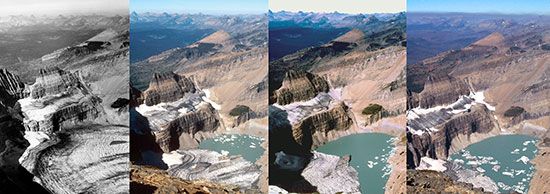
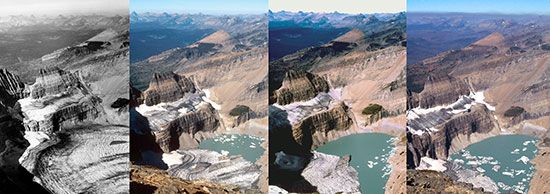
For Pacific Island nations, climate change represents an existential threat in the 21st century. As global warming drives rising sea levels and increasing ocean temperatures, several small island states face the literal disappearance of their landmasses.4
The environmental impacts are multifaceted and severe:
- Coastal Erosion and Infrastructure: Rising seas and more frequent, intense cyclones cause significant damage to coastal land and essential infrastructure.4
- Ecosystem Degradation: Ocean acidification and rising temperatures lead to the bleaching and death of coral reefs, which are vital for local livelihoods and sustenance.4
- Water and Agriculture: The intrusion of salt water into groundwater supplies threatens freshwater access, while agricultural land is increasingly lost to flooding and soil salinization.4
In Tonga, these challenges are compounded by the geography of its islands. While some islands are volcanic and raised, many low-lying islands in the eastern chain rely on coral growth to counteract erosion. Without such protection, these islands are particularly vulnerable to shrinking as sea levels rise.5
What are some popular sports and recreational activities in Tonga?
The provided search results do not contain specific information regarding popular recreational activities in Tonga, other than noting that rugby is a sport that has developed to a high level in the country since its introduction in the 1920s.8
While the search results detail various traditional dances in Tonga—such as the me‘etu‘upaki (paddle dance), the kailao (war dance), and the lakalaka—these are categorized as cultural rituals rather than recreational sports. Information regarding other common recreational pastimes in Tonga is not available in the provided data.3
How does Tonga’s economy function, and what are its main industries?
Tonga’s economy is primarily driven by agriculture, which serves as its mainstay. Key cash crops include squash, coconuts, bananas, and vanilla beans, alongside domestic staples like yams, taro, and cassava. While land is technically owned by the monarchy, it is divided among nobles and parceled out to peasant proprietors for cultivation.10
Beyond agriculture, the economy relies on several other sectors:
- Industry and Mining: Manufacturing includes concrete products, furniture, clothing, and food processing. A small mining industry is dedicated to quarrying coral and sand.10
- External Contributions: Remittances from Tongans working abroad—particularly in New Zealand, the United States, and Australia—and tourism are significant drivers of economic growth.10
- Trade: Tonga imports a large volume of goods, with food and beverages representing the highest value. Exports consist mainly of agricultural products and fish, sent primarily to New Zealand, Japan, Australia, and the United States10.
Sources
- Tonga: Country Facts — Encyclopædia Britannica
- Tonga - People — Encyclopædia Britannica
- Tonga - Cultural life — Encyclopædia Britannica
- Pacific Islands - Into the 21st century — Encyclopædia Britannica
- Tonga - Climate — Encyclopædia Britannica
- Tonga - Relief — Encyclopædia Britannica
- Tongatapu Group — Encyclopædia Britannica
- Samoa - Sports and recreation — Encyclopædia Britannica
- rugby - Other countries — Encyclopædia Britannica
- Tonga - Economy of Tonga — Encyclopædia Britannica
- Samoa - Agriculture, forestry, and fishing — Encyclopædia Britannica
- Samoa - Trade — Encyclopædia Britannica
- Cabo Verde - Services — Encyclopædia Britannica
Published on · 3 min read