Samoa
The history of Samoa is defined by its deep-rooted Polynesian heritage and a complex colonial legacy.
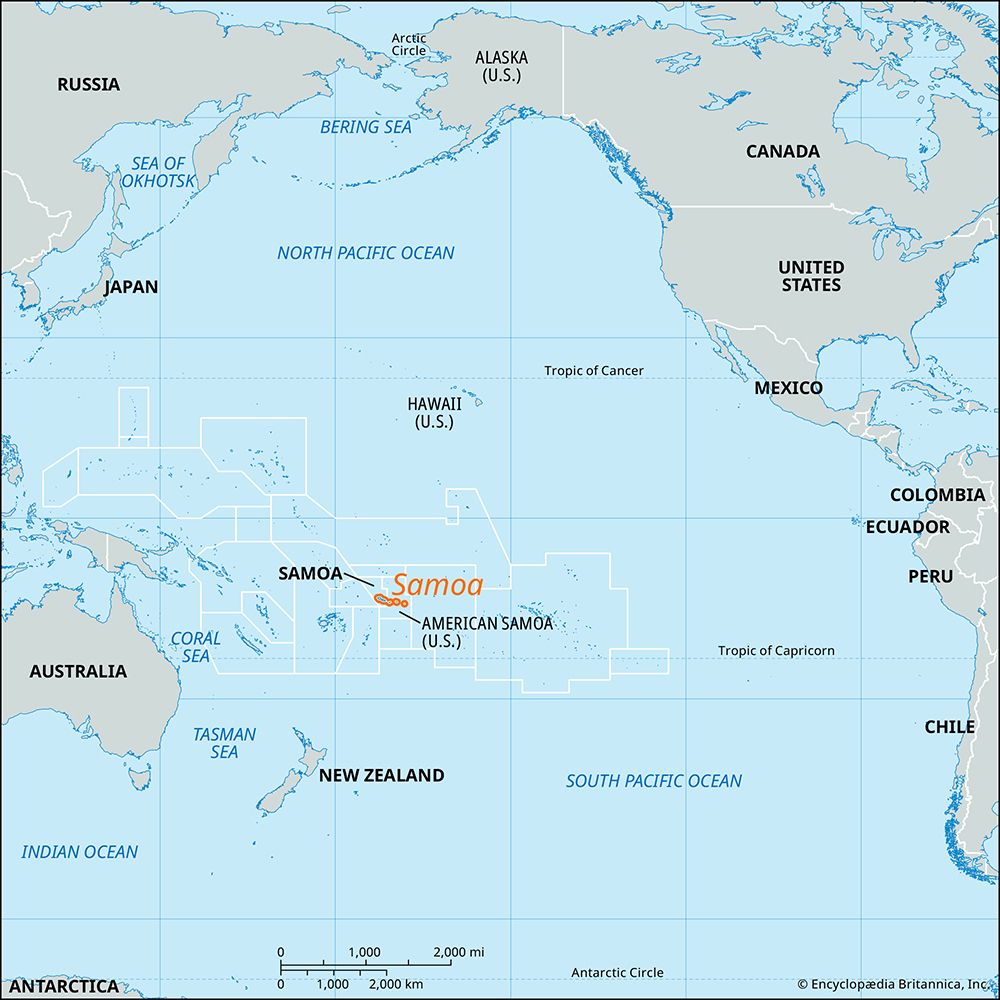
What is the history of Samoa, including its indigenous culture and European colonization?
The history of Samoa is defined by its deep-rooted Polynesian heritage and a complex colonial legacy.
Indigenous Culture and Early History
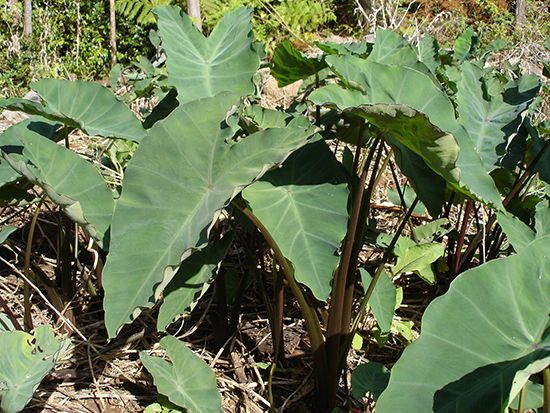
Settlers arrived in the archipelago around 1000 BCE, likely from Tonga. These master navigators and fishers developed a society centered on maritime life and agriculture, cultivating crops like taro and sugarcane. Traditionally, Samoans lived in coastal villages governed by councils of matai (chiefs), with extended family ties often leading to factional warfare. Their history was preserved through rich oral literature.12
European Colonization
European contact began in 1722, followed by the arrival of missionaries in 1830. By the late 19th century, the United States, Great Britain, and Germany vied for control. In 1899, the islands were partitioned without Samoan consent: the U.S. annexed the east, while Germany took the west.3
Following World War I, New Zealand assumed a mandate over Western Samoa. Samoan resistance to foreign rule—particularly the Mau movement—persisted for decades against colonial attempts to undermine matai authority, eventually leading to independence.43
What are the main cultural traditions and customs of Samoan people?
The Samoan people have diligently preserved the fa‘a Samoa (the “Samoan way of life”), a communal culture that remains central to their identity despite the influence of modernization.56
Social Structure and Daily Life
The foundation of Samoan society is the aiga (extended family), which is led by a matai (chief). These leaders represent their families on village councils to administer local affairs. Traditional life centers on the village, where the fale—an open-sided, oval-shaped house—serves as a primary dwelling. Social etiquette is highly valued; for example, it is customary to sit cross-legged when addressing a host and to avoid eating while standing or walking.678
Arts and Traditions
- Tattooing: A significant rite of passage, young males traditionally undergo a painful tattooing process from waist to knee performed by a tufuga (tattoo artist).9
- Music and Dance: Vocal music is central to gatherings, often accompanied by rhythmic percussion. Popular dances include the sāsā (a sitting dance) and the fa‘ataupati (a rhythmic slap dance).9
- Oral Literature: Genealogies, legends, and chants have been passed down through generations, with matai expected to deliver poetic orations at major events.9
- Kava Ceremony: Kava, a traditional drink, is consumed at social events, primarily by matai, following specific ritual protocols.8
What languages are spoken in Samoa, and how do they reflect the country’s history?
The official language of Samoa is Samoan, while English is widely spoken as a second language and is used alongside Samoan for legislative activities. In American Samoa, both English and Samoan serve as official languages.101112
Linguistic Reflection of History
The Samoan language is considered one of the oldest Polynesian tongues and shares close ancestral ties with Maori, Tahitian, Hawaiian, and Tongan. Its development reflects the archipelago’s history as a hub for early Pacific voyagers:11
- Maritime Heritage: The vocabulary is deeply rooted in the seafaring traditions of early settlers who arrived by outrigger canoe around 1000 BCE. Many words describe ocean currents, winds, landforms, and stars, illustrating how every aspect of ancient society was connected to the sea.112
- Navigational Precision: The language includes specific verb forms that indicate the relative position of objects and movement toward or away from the speaker, a necessity for master navigators traversing the Pacific.112
- Regional Connections: Linguistic characteristics suggest that early settlers likely migrated from Tonga, and the language remains a testament to the long-standing historical contact between Samoans, Tongans, and Fijians.112
What are some unique Samoan foods and agricultural products?
Samoan cuisine and agriculture are deeply rooted in traditional Polynesian practices, relying on crops that have been cultivated in the archipelago since its initial settlement around 1000 BCE.9
Key Agricultural Products
Samoan agriculture focuses on a variety of tropical staples that serve as the foundation for the local diet and economy:
- Staple Crops: Taro, yams, breadfruit, and bananas are primary crops.139
- Cash Crops: Coconuts (often processed into copra), cacao, and various fruits like pineapples and mangoes are significant agricultural products.1415
- Livestock: Pigs, poultry, and cattle are raised locally to supplement the food supply.1415
Traditional Foods and Customs
Typical Samoan meals consist of locally grown produce and fresh seafood, including fish and shellfish. While these remain central, the diet has evolved to include imported items like rice and frozen meats. A notable cultural element is kava, a nonalcoholic, euphoria-inducing drink prepared from a tropical pepper plant, which is consumed during formal social events.13
Sources
- Samoa - European influence — Encyclopædia Britannica
- Samoa - Early period — Encyclopædia Britannica
- Samoa - Rule by New Zealand — Encyclopædia Britannica
- Samoa - Settlement patterns — Encyclopædia Britannica
- Samoa - Cultural life — Encyclopædia Britannica
- Samoa - The arts — Encyclopædia Britannica
- American Samoa - People — Encyclopædia Britannica
- Samoa - Local government — Encyclopædia Britannica
- Samoa - Daily life and social customs — Encyclopædia Britannica
- Samoa: Country Facts — Encyclopædia Britannica
- Samoa - Languages — Encyclopædia Britannica
- American Samoa: Country Facts — Encyclopædia Britannica
- Samoa - Agriculture, forestry, and fishing — Encyclopædia Britannica
- Savai‘i — Encyclopædia Britannica
- Polynesian culture - Gardening of Polynesian culture — Encyclopædia Britannica
Published on · 4 min read