Painted Lady
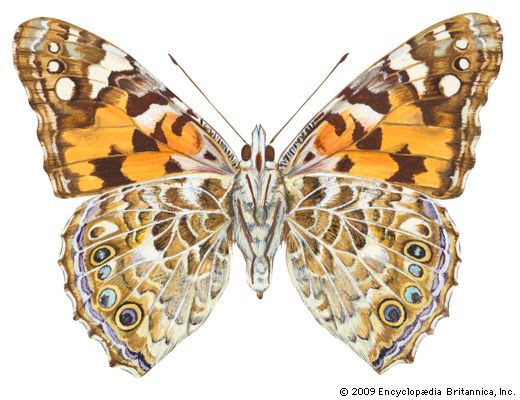
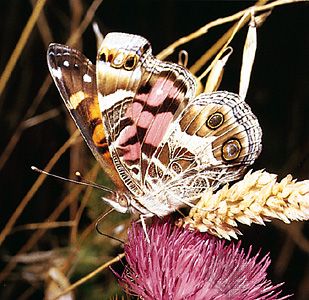
The painted lady (Vanessa cardui) is a member of the brush-footed butterfly family, which is the largest and most diverse butterfly family.
How do painted lady butterflies compare to other butterfly species in terms of size and coloration?
The painted lady (Vanessa cardui) is a member of the brush-footed butterfly family, which is the largest and most diverse butterfly family.12
In terms of size, the painted lady features broad wings with a span of approximately 4 to 5 cm (1.5 to 2 inches). While butterflies vary significantly across the roughly 14,000 known species, they are generally characterized by their slim or dainty bodies compared to the often stouter, fuzzier bodies of moths.13
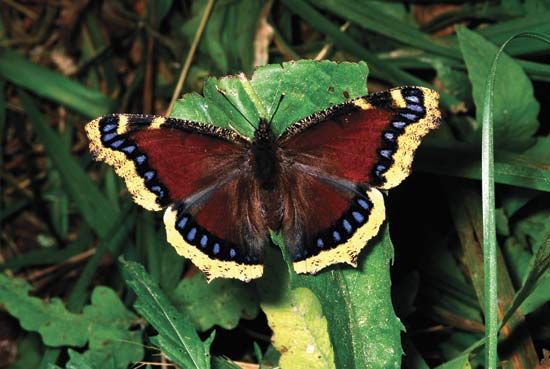
Regarding coloration, the painted lady is noted for its elaborate and beautiful patterns consisting of reddish orange, pink, brown, white, and blue scales. This aligns with the general tendency of butterflies to be brightly colored or strikingly patterned, a trait that helps distinguish them from many, though not all, moth species. Like all butterflies, these colors are produced by dustlike scales that cover their wings, bodies, and legs.123
What do painted lady butterflies eat, and what role do they play in pollination?
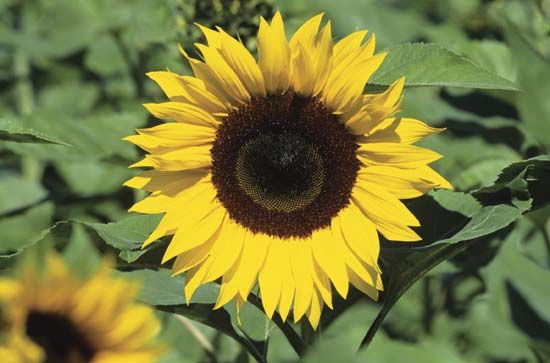
Painted lady butterflies have distinct dietary needs that change throughout their life cycle. As larvae, they feed on specific host plants, including thistles, stinging nettles, and various members of the Asteraceae family. As adults, they primarily consume floral nectar, though they may also feed on sap, overripe fruit, or even honeydew.14
Regarding their role in pollination, painted ladies participate in broad mutualistic relationships with the flowers they visit. While they contribute to the pollination of many plants, these relationships are generally not specific or obligate; the butterflies are not exclusively dependent on a single plant species, nor are the plants solely reliant on them for reproduction. Unlike some specialized insects that have evolved unique structures for carrying pollen, painted ladies act as generalist pollinators as they move between various nectar sources.4
Where can painted lady butterflies be found, and what is their migration pattern?
The painted lady (Vanessa cardui) is nearly cosmopolitan in its distribution, inhabiting every continent except South America and Antarctica.1
Their migration patterns are complex and often involve one-way journeys rather than traditional round-trip migrations. In Europe and Africa, vast numbers travel northward across the Mediterranean in the spring, covering thousands of kilometers. While some of the subsequent generation may fly south in late summer, most perish during the northern winter.1
In North America, the species exhibits similar behavior when populations exceed local resources. For instance, they may migrate from Baja California to the Mojave Desert. In these instances, the butterflies deposit eggs in the new region, but the species does not become permanently established there, and no return flight occurs. Because these movements are typically one-way, they are often categorized as emigration rather than migration in the strictest biological sense.5
What is the scientific name of the painted lady butterfly, and why was it given this name?
The scientific name of the painted lady butterfly is Vanessa cardui.16
The genus name, Vanessa, is a New Latin term used to classify this group of nymphalid butterflies, which are known for their large, brightly colored wings. The specific epithet, cardui, is derived from the Latin word for “thistle”. This name was given because the butterfly’s larvae primarily feed on plants within the thistle family, as well as other members of the Asteraceae family.781
Sources
- painted lady — Encyclopædia Britannica
- butterfly — Encyclopædia Britannica
- What’s the difference between moths and butterflies? — Encyclopædia Britannica
- Lepidoptera - Food selection by the adult — Encyclopædia Britannica
- Migration - Insects — Encyclopædia Britannica
- vanessa — Merriam-Webster
- painted lady — Merriam-Webster
- thistle butterfly — Merriam-Webster
Published on · 3 min read