Palau
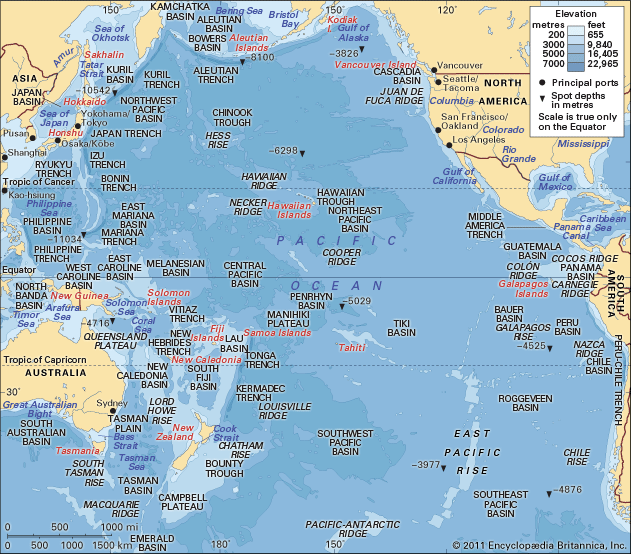
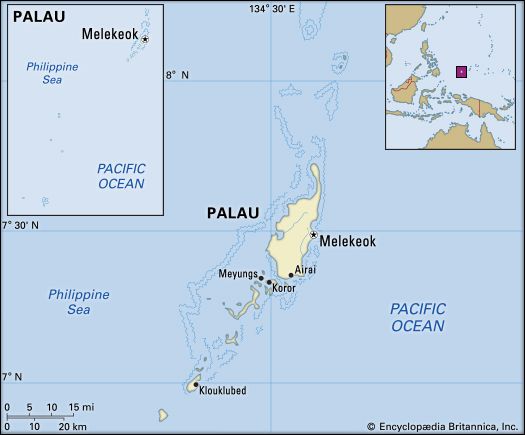
Palau is an island country situated in the western Pacific Ocean, occupying the southwest corner of Micronesia. It is located approximately 830 miles (1,330…
What is the geographical location and composition of Palau?
Palau is an island country situated in the western Pacific Ocean, occupying the southwest corner of Micronesia. It is located approximately 830 miles (1,330 km) northeast of Guam, 400 miles (650 km) north of New Guinea, and 550 miles (890 km) east of the Philippines.1
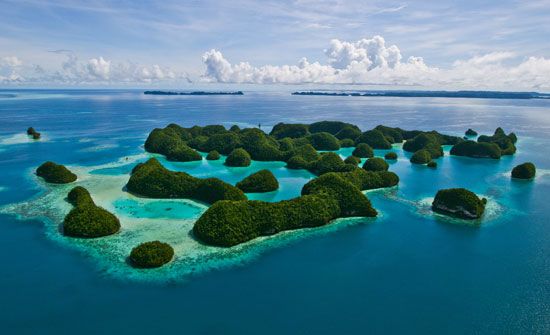
The archipelago consists of about 340 islands perched on the Kyushu-Palau Ridge. Its composition is diverse:1
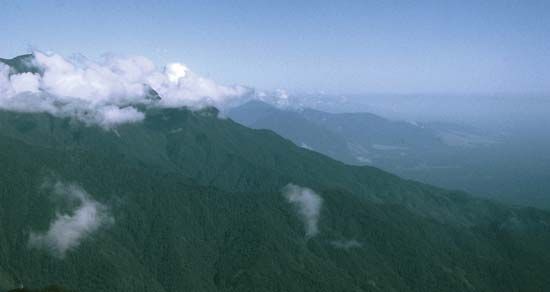
- Volcanic Islands: These include the largest island, Babelthuap, as well as Koror, Malakal, and Arakabesan, which are primarily composed of andesite.12
- Rock Islands: These are more than 300 uplifted structures of coralline limestone, often featuring razor-sharp edges and interior brackish lakes.2
- Coral Islands: Several islands, such as the Kayangel group and Angaur, sit on volcanic substructures and are characterized by flat platform structures with fringing reefs.12
Most of these islands are encircled by a massive barrier reef system and an expansive lagoon.12
What unique marine life can be found in Palau’s waters?
Palau’s marine environment is exceptionally biodiverse, hosting a greater variety of marine life than any other area of comparable size in the world. This richness is attributed to the archipelago’s proximity to Indonesia, New Guinea, and the Philippines.4
The waters surrounding Palau feature a profusion of marine organisms, including:
- Invertebrates: A vast array of corals, snails, clams, sea cucumbers, starfish, sea urchins, sea anemones, squid, and feather-duster worms.4
- Fish: The region supports a diverse population of fish species, which, alongside the abundant invertebrate life, has established Palau as a premier global destination for scuba diving.4
- Jellyfish: These are also found in significant variety within the local marine ecosystems.4
The health and density of these populations are supported by the massive barrier reef system and expansive lagoon that encircle most of the archipelago.41
What role does traditional Palauan culture play in modern society and governance?
Traditional Palauan culture remains a vital force in modern society, characterized by a pragmatic blend of ancestral customs and contemporary governance.6
Integration in Governance
The Republic of Palau’s government, established in 1981, formally incorporates traditional authority alongside its presidential system. The executive branch includes a Council of Chiefs, which serves to advise the president specifically on matters concerning traditional laws and customs. This structure ensures that indigenous leadership maintains a recognized role in the nation’s political decision-making process.7
Social Structure and Customs
Palauan society is deeply rooted in matrilineal traditions, where women hold significant power, controlling land, money, and titles. This influence persists in modern life, even as men have adapted their traditional roles—formerly centered on fishing and warfare—to compete in business and elected office. Reciprocity remains a cornerstone of social life; clans continue to engage in the exchange of food, services, money, and gifts during significant life events such as births, house completions, and funerals.6
While indigenous religious practices regarding ancestral spirits were largely supplanted by Christianity, the cultural emphasis on community and clan-based identity continues to shape the social fabric of the islands.68
What is the form of government in Palau and how does it operate?
Palau is a republic with a presidential system of government established by its constitution in 1981. The government operates through three distinct branches:13
Executive Branch
The executive branch is led by a president and a vice president, both of whom are elected to four-year terms. The president is supported by a cabinet and the Council of Chiefs, a body that advises the executive specifically on matters regarding traditional laws and customs, ensuring indigenous influence in modern governance.13
Legislative Branch
The national legislature, known as the Olbiil Era Kelulau (National Congress), is a bicameral body consisting of:
- Senate: Composed of 13 members.7
- House of Delegates: Composed of 16 members.7 Both houses are elected for four-year terms.13
Judiciary and Local Government
The judiciary includes the Supreme Court (with trial and appellate divisions), the Court of Common Pleas, and the Land Court. At the local level, Palau is divided into 16 states, each governed by an elected governor and legislature.13
Palau maintains no armed forces; under the Compact of Free Association, the United States is responsible for the country’s defense and external security.1314
Sources
- Palau — Encyclopædia Britannica
- Palau - Climate of Palau — Encyclopædia Britannica
- Palau - Relief and drainage — Encyclopædia Britannica
- Palau - Plant and animal life — Encyclopædia Britannica
- chondrichthyan - Rays — Encyclopædia Britannica
- Palau - Cultural life — Encyclopædia Britannica
- Palau - Government and society — Encyclopædia Britannica
- matrilineal society — Encyclopædia Britannica
- Micronesian culture - Social hierarchy and political organization — Encyclopædia Britannica
- Micronesia - Cultural life — Encyclopædia Britannica
- matrilineal society - Historical views of kinship and matrilineal societies — Encyclopædia Britannica
- Palau - Religion — Encyclopædia Britannica
- Palau: Country Facts — Encyclopædia Britannica
- Micronesian culture - Kinship and marriage — Encyclopædia Britannica
- Melekeok — Encyclopædia Britannica
- Palau - History — Encyclopædia Britannica
Published on · 3 min read