Pampas Cat
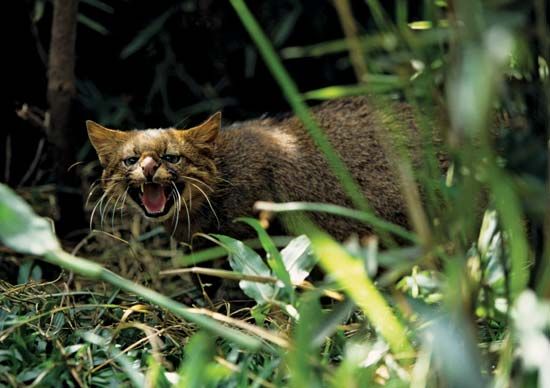
The pampas cat (Felis colocolo or Felis pajeros) is a small wildcat native to South America.
What is pampas cat?
The pampas cat (Felis colocolo or Felis pajeros) is a small wildcat native to South America.12
Measuring approximately 60 cm (24 inches) in length—including its 30-centimetre tail—the species is characterized by a long-haired coat. Its appearance varies, typically ranging from grayish with brown markings to a yellowish-gray coloration featuring dark bands on the legs and tail, as well as brownish stripes along the flanks.12
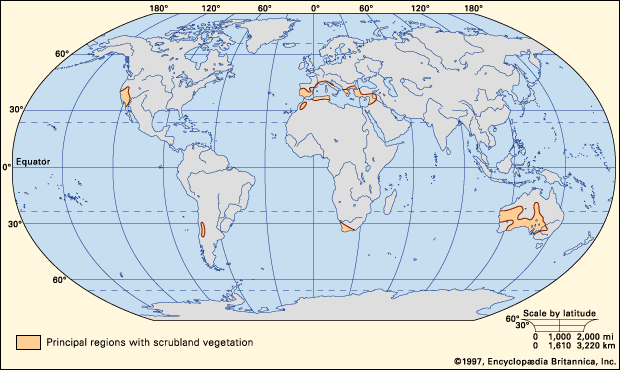
While specific details regarding its behavior remain limited, the pampas cat is reported to inhabit thick shrubbery and is primarily nocturnal, hunting small animals and birds. It is notably found in regions such as Argentina and Patagonia.12
What other wild cat species live in South America?
South America is home to a diverse array of wild cat species, ranging from the continent’s largest predator to numerous smaller felines.
Big Cats
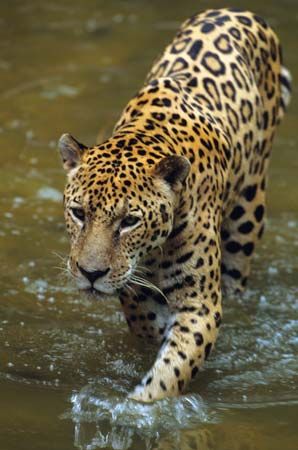
The jaguar (Panthera onca) is the only “big cat” (roaring cat) in the Western Hemisphere. It is a powerful, solitary predator found in habitats ranging from swamps and scrublands to the Amazon rainforest.4
Small Cats
Most wild cats in South America belong to the subfamily Felinae, often referred to as “small cats” because they cannot roar. Notable species include:3
- Ocelot: A spotted cat known for its chainlike coat pattern, found in lowland areas from Texas to Argentina.4
- Puma: A large, wide-ranging cat that, despite its size, is classified with the small cats.3
- Jaguarundi: A unique, slender cat also grouped within the Puma genus.3
- Margay: A small, arboreal cat that closely resembles the ocelot.43
- Other Species: The genus Leopardus includes several others, such as Geoffroy’s cat, the kodkod, the Andean mountain cat, the oncilla, and the southern tigrina.3
How do the physical features of the pampas cat help it survive in its environment?
The pampas cat (Felis colocolo or Felis pajeros) possesses specific physical adaptations that support its survival in the South American landscape.
- Coat Characteristics: The cat features a long-haired coat, which provides insulation and protection while navigating the dense, often harsh environments of its habitat.1
- Camouflage: The animal’s coloration—typically grayish or yellowish-gray—is complemented by brown markings, dark bands on the legs and tail, and brownish stripes along the flanks. These patterns serve as effective camouflage, allowing the cat to blend into the thick shrubbery where it resides and hunts.12
- Size and Agility: Measuring approximately 60 cm (24 inches) in total length, its compact size allows it to move stealthily through dense vegetation to hunt small animals and birds under the cover of darkness.1
While scientific understanding of the species remains limited, these physical traits are essential for its nocturnal, predatory lifestyle in regions like Argentina and Patagonia.12
What are the main threats to the pampas cat’s habitat?
The pampas cat (Felis colocolo) faces significant threats primarily driven by widespread human alteration of the South American landscape. Because this species relies on thick shrubbery for cover and hunting, the ongoing destruction of its natural environment poses a severe risk to its survival.1
Key threats to the pampas cat’s habitat include:
- Agricultural Conversion: Large swaths of native vegetation have been cleared to make room for crops, such as sugarcane, and to create pasture for livestock.89
- Overgrazing: The introduction of vast herds of cattle and horses has severely damaged grasslands and shrublands, depleting the vegetative cover that the cat requires for protection and hunting.8109
- Land Degradation: Human activities, including the burning of forest patches to create pasture and the overuse of woody plants for fuel, contribute to soil erosion and the overall degradation of the ecosystem.810
- Climate Change: Anthropogenic climate change is altering weather patterns, leading to more frequent and intense droughts. These conditions can cause tree die-offs and increase the severity of wildfires, which may permanently shift the composition of the cat’s habitat, potentially transforming shrublands into less suitable environments.10
These cumulative pressures continue to accelerate habitat loss across the continent, threatening the stability of native animal populations.8
Sources
- pampas cat — Encyclopædia Britannica
- pampas cat — Merriam-Webster
- Did you know? — Merriam-Webster
- jaguar — Encyclopædia Britannica
- ocelot — Encyclopædia Britannica
- List of small cats — Encyclopædia Britannica
- South American fox — Encyclopædia Britannica
- South America - Human influences on vegetation — Encyclopædia Britannica
- Savanna - Threats — Encyclopædia Britannica
- puma — Encyclopædia Britannica
- Argentina - The Pampas — Encyclopædia Britannica
Published on · 3 min read