Panicum
Panicum is a large genus of forage and cereal grasses that belongs to the Poaceae family. These plants are widely distributed across tropical and warm…
What is Panicum and which plant family does it belong to?
Panicum is a large genus of forage and cereal grasses that belongs to the Poaceae family. These plants are widely distributed across tropical and warm temperate regions and include both annual and perennial species.1
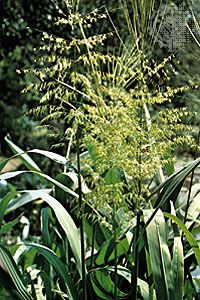
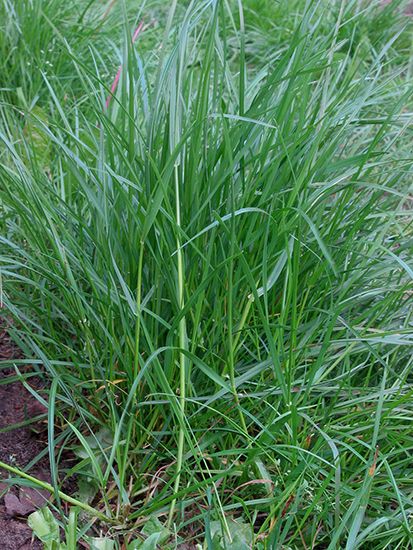
The genus is highly diverse, featuring plants that may grow in tufts or spread through stolons and rhizomes. Notable examples include proso millet, which serves as an important food crop, and switchgrass (P. virgatum), a vital forage grass and component of the North American prairie. While some species are cultivated for agriculture, others, such as witchgrass, are considered common weeds in disturbed areas.1
How widely distributed are Panicum species, and in what types of habitats do they typically grow?
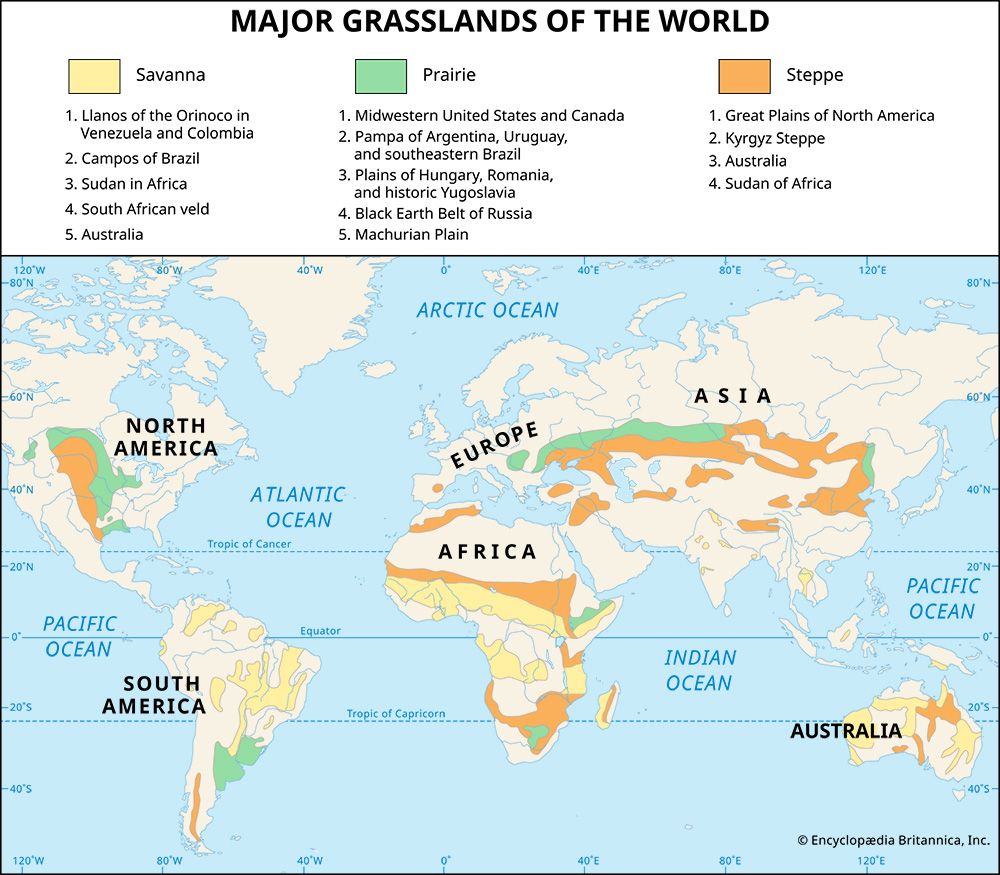
Panicum species are widely distributed across tropical and warm temperate regions of the world. Because the genus is highly diverse, these grasses occupy a variety of habitats depending on the specific species.12
They are frequently found in natural ecosystems such as the tall grass prairie of North America, where species like switchgrass (P. virgatum) serve as a major constituent of the landscape. Other species are adapted to agricultural environments, where they are cultivated as important food crops, such as proso millet and little millet in Asia and Africa. Additionally, some species, such as witchgrass, are commonly found as weeds in fields and other disturbed areas. Their ability to spread through rhizomes and stolons allows them to thrive in various conditions, including those requiring erosion control.1
What are some common uses of Panicum plants in agriculture and human consumption?
Panicum plants serve several important roles in agriculture and human consumption, primarily as food crops and livestock feed.
Human Consumption
Several Panicum species, most notably proso millet (Panicum miliaceum) and little millet (P. sumatrense), are significant food staples in parts of Asia and Africa. These grains are rich in carbohydrates and are typically prepared as porridges, used in flatbreads, or cooked similarly to rice. While they were major grains in Europe during the Middle Ages, their use in many Western countries today is primarily limited to birdseed mixtures.134
Agricultural Uses
Beyond human food, Panicum species are utilized in various agricultural capacities:
- Forage and Livestock Feed: Many species are grown as valuable forage grasses to feed livestock and poultry.153
- Erosion Control: Due to their thick rhizomes, certain species like switchgrass (P. virgatum) are planted to stabilize soil and prevent erosion.15
- Weed Management: While some Panicum species are cultivated, others, such as witchgrass, are considered common weeds that can interfere with field crops.15
Are there any notable Panicum species with unique properties or significance?
The genus Panicum includes several species recognized for their unique ecological roles and agricultural significance. Notable examples include:
- Switchgrass (Panicum virgatum): This robust perennial is a defining species of the North American tall grass prairie. It is highly valued for its deep root systems, which make it an effective tool for erosion control and soil stabilization1.
- Proso millet (Panicum miliaceum): Also known as broomcorn millet, this species is notable for its rapid maturation, often ripening within 60 to 80 days of sowing. It serves as a vital food staple in parts of Asia and eastern Europe and is a common component in birdseed mixtures.14
- Little millet (Panicum sumatrense): This species is an important food crop in India and other parts of Asia, valued for its ability to thrive in diverse environments.14
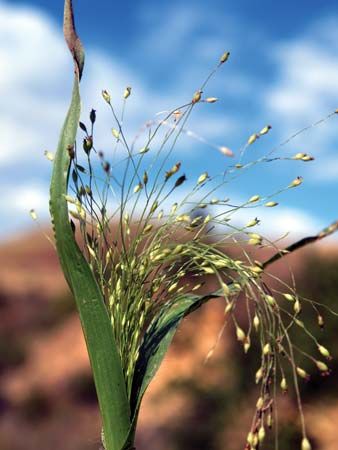
- Witchgrass (Panicum capillare): This species is known for its distinct reproductive strategy; its large, purplish flower clusters break off when mature and are dispersed by the wind.1
Many Panicum species are also notable for utilizing the C4 carbon fixation pathway, which allows them to minimize water loss and maintain high photosynthetic efficiency in hot, dry environments.6
Sources
- panicum — Encyclopædia Britannica
- panicum — Merriam-Webster
- list of economically important members of the family Poaceae — Encyclopædia Britannica
- Millet — Encyclopædia Britannica
- Cereal processing - Millet — Encyclopædia Britannica
- Photosynthesis - Carbon fixation in C 4 plants — Encyclopædia Britannica
Published on · 3 min read