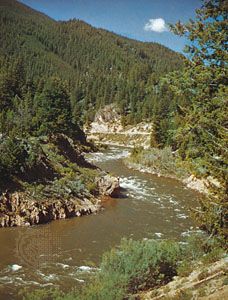
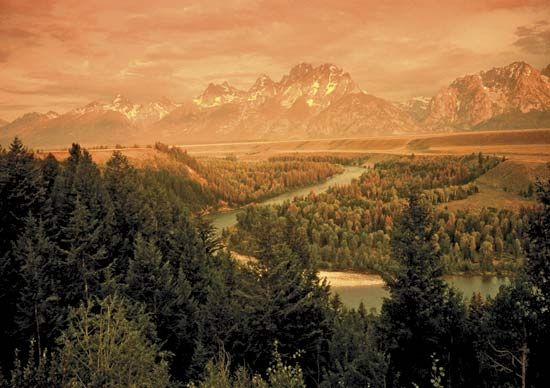
Payette River
The Payette River is a 73-mile-long (117 km) watercourse located in southwestern Idaho, United States. It is formed by the confluence of the North and South…
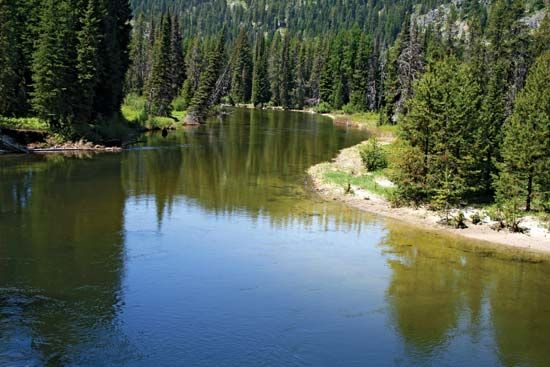
What is Payette River?
The Payette River is a 73-mile-long (117 km) watercourse located in southwestern Idaho, United States1. It is formed by the confluence of the North and South Forks near the village of Banks within the Boise National Forest. The North Fork originates at Payette Lake, a popular recreation site near McCall.1
Flowing south and then west past Emmett, the river eventually joins the Snake River near the city of Payette on the Oregon border. The river system drains an area of approximately 3,250 square miles (8,417 square km) and plays a significant role in regional water management. It is a key component of the Boise Irrigation Project, featuring the Black Canyon Dam and Reservoir on the main stem and the Cascade Dam and Reservoir on the North Fork. Additionally, the river serves as an important source for irrigation in the middle section of the Snake River.12
How do dams like the Black Canyon Dam impact local ecosystems?
Dams like the Black Canyon Dam significantly alter local ecosystems by modifying river flow, sediment transport, and habitat connectivity. These structures impact the environment in several key ways:
- Disruption of Fish Migration: Dams can act as barriers to migratory fish, such as salmon, preventing them from reaching upstream spawning grounds or returning downstream to feeding areas. While technologies like fish ladders and locks are sometimes employed to mitigate these effects, they are not always successful in preventing population declines.3
- Sediment Trapping: When streamflow is impounded in a reservoir, the water velocity decreases, causing sediment to settle and accumulate. This traps nutrients and materials that would naturally move downstream, which can degrade downstream habitats.14
- Channel Erosion: Because water released from a dam is often depleted of its natural sediment load, it possesses a renewed capacity to transport material. This frequently leads to increased erosion of the stream channel below the dam.4
- Habitat Alteration: The creation of reservoirs can lead to the destruction of existing riverine habitats and may require the submergence of large areas of land, fundamentally changing the local landscape.4
What makes the Snake River an important waterway in the Pacific Northwest?
The Snake River is a vital waterway in the Pacific Northwest, serving as the largest tributary of the Columbia River. Its importance is defined by several key roles:
- Hydropower and Irrigation: The river is a critical source of hydroelectric power and irrigation for the region. Numerous dams and reservoirs regulate the flow, supporting agricultural development across the Snake River Plain and beyond.2
- Transportation: The lower section of the river has been engineered to allow ocean-going barges to reach the port of Lewiston, facilitating regional trade.3
- Ecological Significance: The river basin supports diverse ecosystems, including Hells Canyon, the deepest river gorge in North America. It is also a historic habitat for salmon, though these populations have faced severe declines due to dam construction and habitat loss.23
- Recreation: The river provides extensive recreational opportunities, including sites like the Hagerman Fossil Beds National Monument.2
What are some popular outdoor activities in the Boise National Forest?
The Boise National Forest offers a wide variety of outdoor activities across its mountainous terrain, taking advantage of its diverse rivers, lakes, and wilderness areas. Popular recreational pursuits include:
- Fishing and Hunting: The forest’s numerous lakes and rivers are well-known for their populations of trout and salmon, while the vast landscape supports wildlife such as elk and deer.7
- Hiking and Wilderness Exploration: Visitors can explore the Frank Church–River of No Return Wilderness and the Sawtooth Wilderness, which are kept largely roadless to preserve their natural state.7
- Water Sports: The forest is a popular destination for rafting, particularly on the Middle Fork Salmon River.7
- Winter Sports: The Bogus Basin Ski Resort, located just north of Boise, serves as a major hub for winter activities.7
- Sightseeing: Tourists often visit the remnants of historic mining towns that have since become ghost towns.7
Sources
- Payette River — Encyclopædia Britannica
- Snake River — Encyclopædia Britannica
- dam - Fish passes — Encyclopædia Britannica
- river - Environments of deposition — Encyclopædia Britannica
- reservoir — Encyclopædia Britannica
- Columbia River - History — Encyclopædia Britannica
- Boise National Forest — Encyclopædia Britannica
Published on · 3 min read