Snake River
Several Native American tribes have historically inhabited the regions along the Snake River, relying on its abundant natural resources, particularly salmon…
What Native American tribes have historically lived along the Snake River?
Several Native American tribes have historically inhabited the regions along the Snake River, relying on its abundant natural resources, particularly salmon, for their subsistence.123
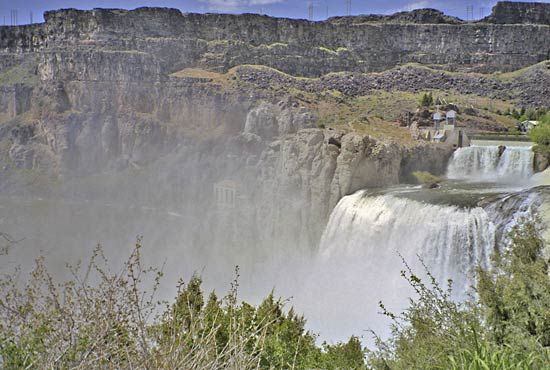
- Bannock: This tribe historically lived in southern Idaho, specifically along the Snake River and its tributaries. They were known for a seminomadic lifestyle that included summer migrations to Shoshone Falls to gather salmon, berries, and small game. Over time, they developed close ties with the Shoshone, eventually leading to the formation of the Shoshone-Bannock tribes.1
- Shoshone: Occupying much of the southern lands of the Idaho region, the Shoshone were closely associated with the Snake River and often camped alongside the Bannock.13
- Nez Percé: Their traditional territory centered on the lower Snake River and its tributaries, such as the Salmon and Clearwater rivers, spanning parts of modern-day Idaho, Oregon, and Washington. As Plateau Indians, they built substantial settlements along the river to take advantage of annual salmon runs.23
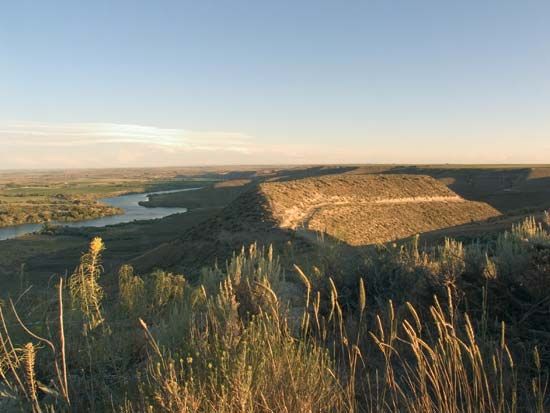
How long is the Snake River, and what are some of its major tributaries?
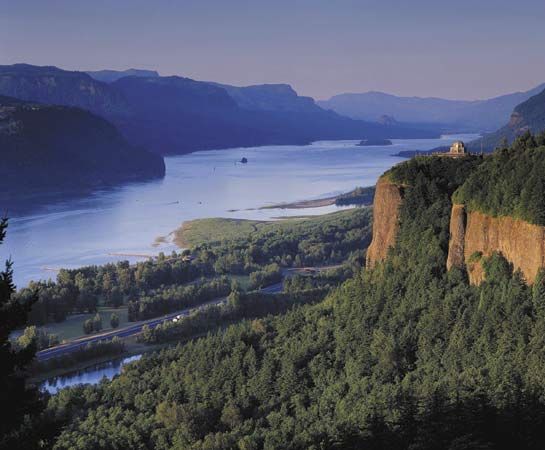
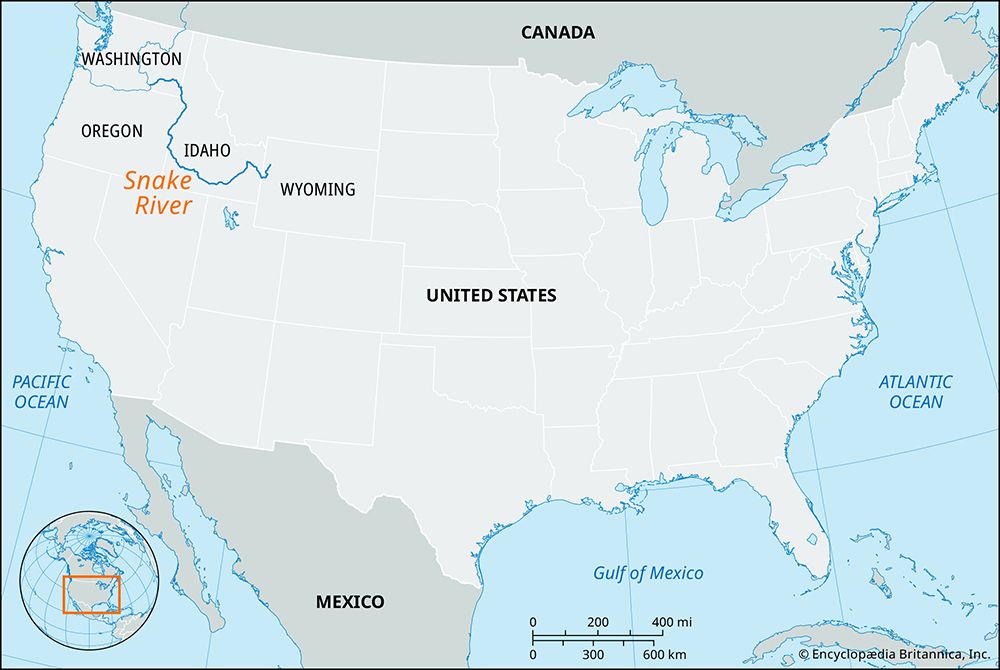
The Snake River flows for a total course of 1,040 miles (1,670 km) before joining the Columbia River in Washington state.2
The river is fed by numerous tributaries throughout its journey:
- Upper Snake River: Principal tributaries include Henrys Fork—the largest in this section—as well as the Blackfoot, Portneuf, Raft, and Big Wood rivers.2
- Middle Snake River: Irrigation in this section is primarily supported by the Payette, Owyhee, Malheur, and Boise rivers.2
- Lower Snake River: The Salmon River is the largest tributary of the entire Snake River system, joining it near the end of Hells Canyon.2
How does the Snake River contribute to agriculture and hydroelectric power in the region?
The Snake River is a vital resource for the Pacific Northwest, serving as a cornerstone for both regional agriculture and energy production.26
Agriculture
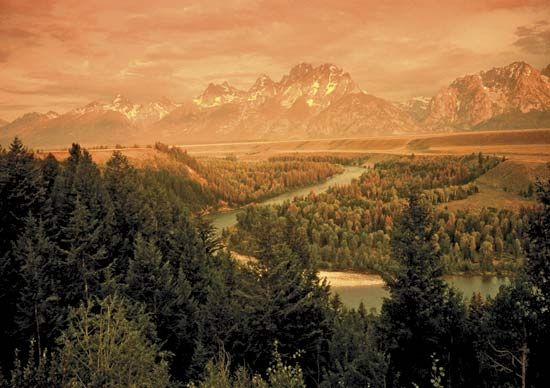
The Snake River provides the water necessary to sustain one of the largest irrigated farming regions in the United States. In southern Idaho, the river flows across the arid Snake River Plain, where its waters are diverted through extensive reclamation projects to transform desert landscapes into productive farmland. While the main stem is regulated by dams and reservoirs—such as the American Falls Dam—to manage irrigation supplies, much of the irrigation in the middle section of the river is also supported by its major tributaries, including the Boise, Payette, Owyhee, and Malheur rivers.62
Hydroelectric Power
The river is a significant source of hydroelectric power, with its flow harnessed by numerous dams along its course. The upper and middle sections of the river are heavily utilized for power generation, while four dams on the lower Snake River were constructed in the 1960s and 1970s to generate electricity and facilitate navigation for ocean-going barges reaching Lewiston, Idaho. These power plants are integrated into a broader regional grid, allowing for the exchange of electricity across the Pacific Northwest and beyond.2678
How did the Lewis and Clark expedition interact with the Snake River during their journey?
The Lewis and Clark expedition interacted with the Snake River during the final stages of their westward journey in 1805. After crossing the Bitterroot Range with the assistance of Shoshone guides and reaching the Weippe Prairie, the explorers encountered the Nez Percé.
Following the advice of a respected Nez Percé woman named Watkuweis, the expedition befriended the tribe and left their horses in the care of Chief Twisted Hair. The party then hollowed out five cottonwood canoes and utilized the Clearwater and Snake rivers to navigate downstream, eventually reaching the Columbia River on October 16, 1805.2
Regarding your previous question on modern infrastructure, the Snake River is vital to the region’s economy. The upper and middle sections are heavily regulated by dams and reservoirs, which provide essential water for irrigation and generate significant hydroelectric power. However, these dams have also faced criticism for their negative impact on native fish populations, leading to ongoing debates about environmental conservation.96
Sources
- Bannock — Encyclopædia Britannica
- Snake River — Encyclopædia Britannica
- Nez Percé — Encyclopædia Britannica
- Idaho - Early history and settlement — Encyclopædia Britannica
- Columbia River - History — Encyclopædia Britannica
- dam - Fish passes — Encyclopædia Britannica
- Columbia River - Economy of the Columbia River — Encyclopædia Britannica
- Idaho - Relief and drainage — Encyclopædia Britannica
- Lewis and Clark Expedition - Expedition from May 14, 1804, to October 16, 1805 — Encyclopædia Britannica
Published on · 3 min read