Pine Mountain
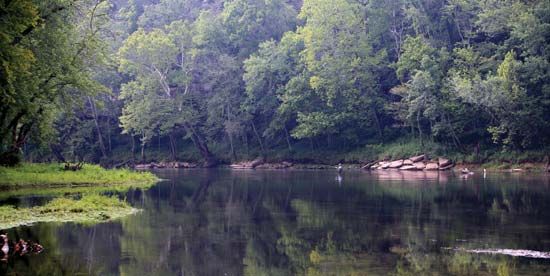
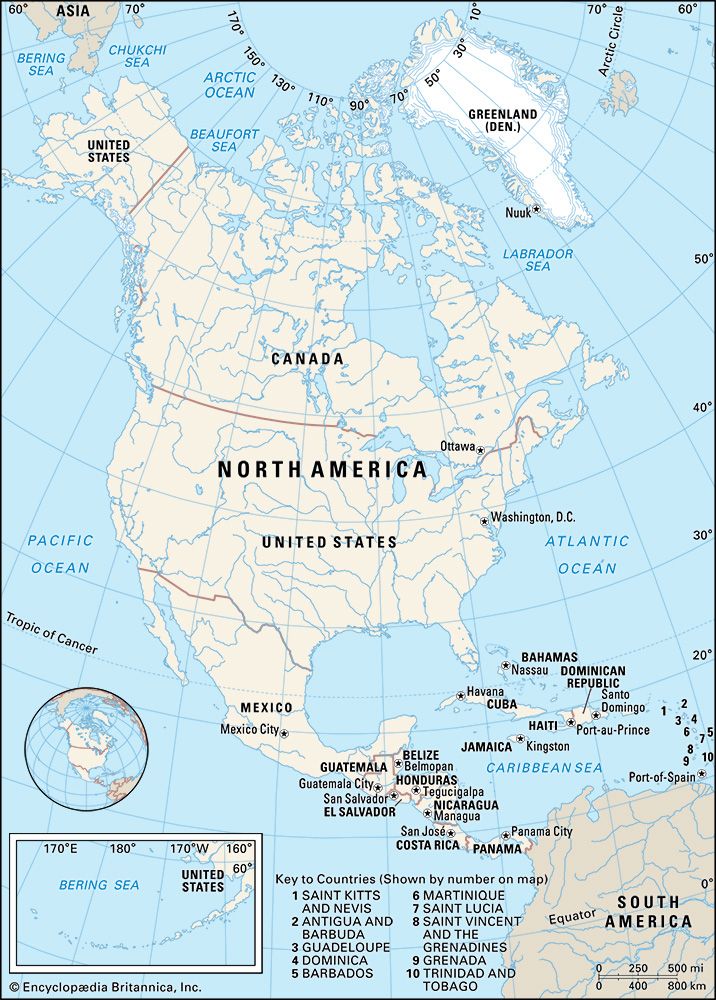
Pine Mountain is a prominent ridge located on the Cumberland Plateau, which is part of the Appalachian Mountains in the United States.
What is Pine Mountain?
Pine Mountain is a prominent ridge located on the Cumberland Plateau, which is part of the Appalachian Mountains in the United States.1
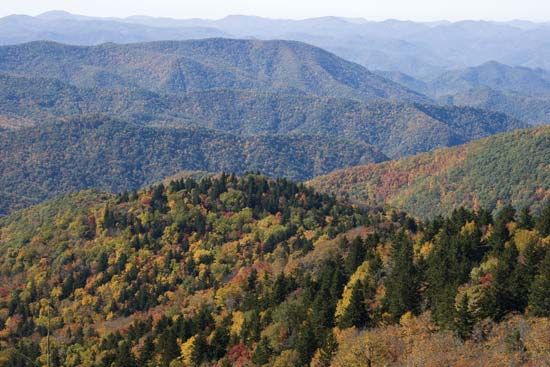
The ridge stretches for 125 miles (200 km) across southeastern Kentucky, running along the Virginia border and extending into northern Tennessee. While the ridge maintains average elevations between 2,100 and 2,800 feet (640 to 850 m), it reaches its peak at Big Black Mountain, which stands at 4,145 feet (1,263 m) and serves as the highest point in Kentucky. The area is characterized by its wooded landscape and is partially protected within a division of the Jefferson National Forest, with a scenic highway providing access across a portion of the ridge.1
What are the Appalachian Mountains?
The Appalachian Mountains are a vast highland system in North America, serving as the eastern counterpart to the Rocky Mountains. Stretching nearly 2,000 miles (3,200 km) from the Canadian province of Newfoundland and Labrador to central Alabama in the United States, they form a natural barrier between the eastern Coastal Plain and the Interior Lowlands.2
These mountains are among the oldest on Earth, shaped by ancient metamorphic rocks and later sedimentary deposits from the Paleozoic Era. The region is defined by complex deciduous forests and rich mineral resources, particularly coal, which have historically driven the region’s economy while presenting significant environmental and conservation challenges.345
Beyond their geology, the Appalachians are known for a distinctive regional culture, especially in the southern highlands, where isolation once fostered unique traditions in folklore and handicrafts.25
How are mountain ridges formed?
Mountain ridges are primarily formed through orogeny, a mountain-building process driven by plate tectonics. These processes involve intense deformation, including the folding and faulting of rock strata.7
The formation of ridges typically occurs through several mechanisms:
- Fold Belts: When layers of sedimentary rock are compressed, they often form long, parallel ridges and valleys. Resistant rock layers form the ridges, while weaker rocks erode to create the valleys.8
- Fold and Thrust Belts: These areas feature segments where older rock layers are pushed over younger ones, often resulting in a landscape dominated by parallel ridges.8
- Block Faulting: Mountains can form when large blocks of the Earth’s crust are elevated or tilted along faults. This can occur when blocks are pushed over neighboring areas or when crustal sections pull apart, causing intervening valleys to subside and leaving elevated blocks, such as horsts.8
- Tectonic Collisions: The collision of continents or the subduction of oceanic plates can force crystalline rocks upward, creating high-relief mountain belts.79
What is the Cumberland Plateau?
The Cumberland Plateau is the westernmost division of the Appalachian Mountains in the United States. It extends approximately 450 miles (725 km) from southern West Virginia to northern Alabama, spanning a width of 40 to 50 miles (65 to 80 km).11
Geographically, the plateau is situated between the Ridge and Valley region to the east and the interior plains to the west. Its northern section merges with the Allegheny Plateau, while its southern end meets the Gulf Coastal Plain. The region is deeply dissected by the headstreams of the Cumberland, Kentucky, and Tennessee rivers.11
The plateau is rich in natural resources, including significant coal deposits, limestone, and hardwood forests. Historically, the area is noted for the Cumberland Gap, a vital passage for early settlers and a site of strategic importance during the American Civil War.11
Sources
- Pine Mountain — Encyclopædia Britannica
- Appalachian Mountains — Encyclopædia Britannica
- Appalachian Mountains - Geology of the Appalachian Mountains — Encyclopædia Britannica
- Cumberland Plateau — Merriam-Webster
- Appalachian Mountains - Plant and animal life — Encyclopædia Britannica
- Appalachian Mountains - Economic growth — Encyclopædia Britannica
- orogeny — Encyclopædia Britannica
- mountain - Geomorphic characteristics — Encyclopædia Britannica
- plate tectonics - Mountain building — Encyclopædia Britannica
- continental landform - Orogenic geomorphic systems — Encyclopædia Britannica
- Cumberland Plateau — Encyclopædia Britannica
Published on · 3 min read