Why Do Deer Shed Their Antlers?
Deer shed their antlers annually due to hormonal fluctuations linked to the mating season, or rut.
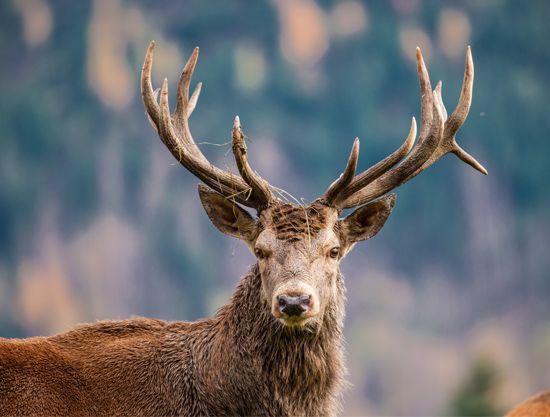
Why do deer shed their antlers?
Deer shed their antlers annually due to hormonal fluctuations linked to the mating season, or rut.12
As the mating season approaches, rising testosterone levels trigger the growth of antlers, which serve as weapons for combat and display organs to attract mates. Once the mating season concludes, testosterone levels drop, which causes the deer to shed their antlers.12
Beyond hormonal regulation, shedding is an important survival strategy. Growing antlers is an energy-intensive process that requires significant amounts of minerals and protein. By shedding them after the rut, deer can conserve their energy and nutrients to better survive the harsh winter months. While most species follow this annual cycle, some territorial tropical deer may retain their antlers for more than a year.12
What is the purpose of the velvet on growing antlers?
The “velvet” on growing antlers is a highly vascularized, nerve-filled skin covered in short, soft hairs that serves as a critical delivery system for the rapid development of the antler structure. Because antlers are essentially living tissue during their growth phase, this velvet provides the necessary blood supply to transport the minerals and proteins required for the bone to harden and reach its full size.1
Once the antlers have finished growing—a process that can take up to 150 days—the velvet dies. The deer then removes it by rubbing the antlers against branches and small trees, which also stains the underlying white bone a brownish color. This transition marks the completion of the antler’s development, preparing it for use as a weapon or display organ during the mating season.1
How do antlers differ from horns found on other animals?
Antlers and horns are distinct biological structures with fundamental differences in composition, growth, and permanence.
Antlers
Found primarily in deer, antlers are solid, branched outgrowths of the frontal bone. They are characterized by:32
- Growth: They are grown and shed annually. During their development, they are covered in a sensitive, vascularized skin called “velvet,” which is shed once the bone hardens.43
- Composition: They are composed entirely of bone.3
- Distribution: Typically present only in males, though both sexes of reindeer carry them.42
Horns
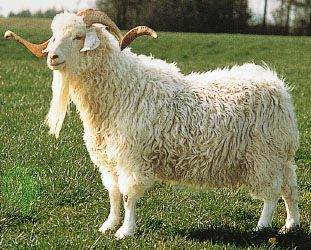
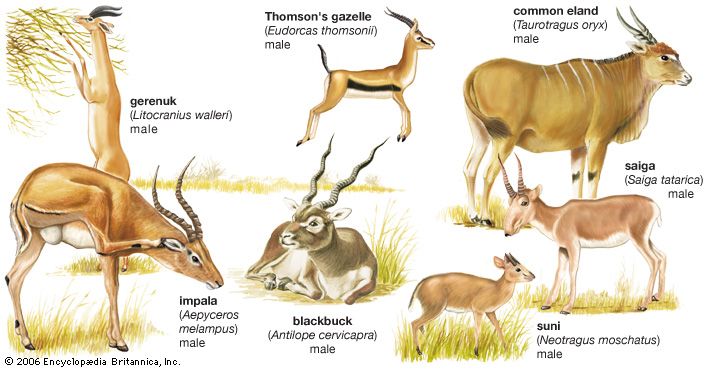
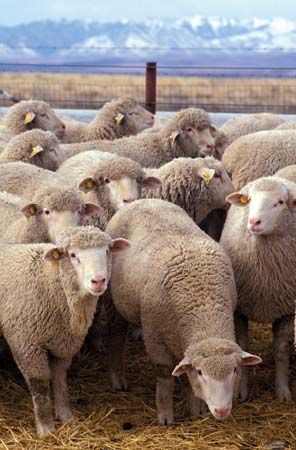
True horns are found in bovids, such as cattle, sheep, goats, and antelopes. They differ from antlers in several ways:3
- Structure: They consist of a bony core covered by a permanent, unbranched sheath of keratin—the same material as fingernails.32
- Permanence: Unlike antlers, true horns are never shed and continue to grow throughout the animal’s life. If a horn is lost, it does not regenerate.32
- Distribution: They are often present on both sexes.32
Other structures, such as the rhinoceros “horn,” are composed of fused, keratinized hair-like epidermis rather than a bony core.3
Why do reindeer females grow antlers while other female deer do not?
Reindeer (Rangifer tarandus) are the only species of deer in which both males and females grow antlers. In all other deer species, antlers are typically exclusive to males.5267
The primary purpose for females retaining their antlers throughout the winter is ecological: it allows them to defend access to high-quality feeding sites. During the winter months, reindeer rely heavily on reindeer lichen, which they must reach by digging craters in the snow. Having antlers provides females with a competitive advantage, enabling them to defend these vital feeding craters from other members of the herd.51
In contrast, male reindeer typically shed their antlers in late fall shortly after the mating season, or rut, concludes. This difference in timing is linked to hormonal changes; while males shed their antlers to conserve energy for survival during the harsh winter, females maintain theirs to ensure they can secure the nutrition necessary for their survival and the needs of their calves.517
Sources
- Why do deer shed their antlers? — Encyclopædia Britannica
- deer - Morphology and behaviour — Encyclopædia Britannica
- horn — Encyclopædia Britannica
- artiodactyl - Horns and antlers — Encyclopædia Britannica
- reindeer — Encyclopædia Britannica
- Are Santa’s Reindeer Female? — Encyclopædia Britannica
- reindeer: Top Questions — Encyclopædia Britannica
Published on · 3 min read