Sandpiper
Sandpipers are shorebirds that primarily forage along ocean coastlines, inland mud flats, and grassy shores. Their feeding habits are characterized by the…
What are the feeding habits and diet of sandpipers?
Sandpipers are shorebirds that primarily forage along ocean coastlines, inland mud flats, and grassy shores. Their feeding habits are characterized by the use of their slender bills as forceps to pick up surface-dwelling invertebrates, such as insects, crustaceans, and worms.12
Many species, particularly those in the genus Calidris, also utilize their bills for probing into mud to locate hidden prey. While most sandpipers focus on small aquatic or shoreline animals, some species exhibit specialized diets. For example, the upland sandpiper inhabits open fields and feeds on grasshoppers and other insects.21
In general, these birds are active foragers, often seen running along the water’s edge to secure their food. Their reliance on these specific habitats makes them a common sight on beaches and mud flats during their extensive migrations.12
How do sandpipers breed and care for their young?
Sandpipers exhibit diverse breeding and parental care strategies, though most species in the family Scolopacidae share certain fundamental behaviors1.1
Nesting and Incubation
Most sandpipers are ground-nesters, typically constructing a scantily lined hollow in the open. While many species are monogamous and share incubation duties, there is significant variation:31
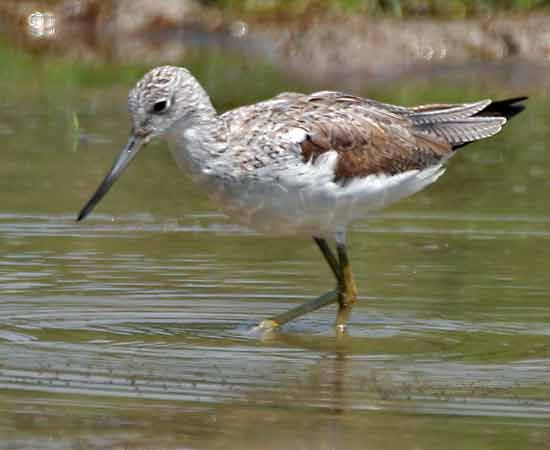
- Standard Nesting: Species like the greenshank often return to the same territory and mate annually. Both parents develop incubation patches and share the responsibility of sitting on the four speckled eggs.1
- Alternative Sites: While ground-nesting is the norm, the solitary sandpiper is an exception, as it typically utilizes the abandoned tree nests of other birds.3
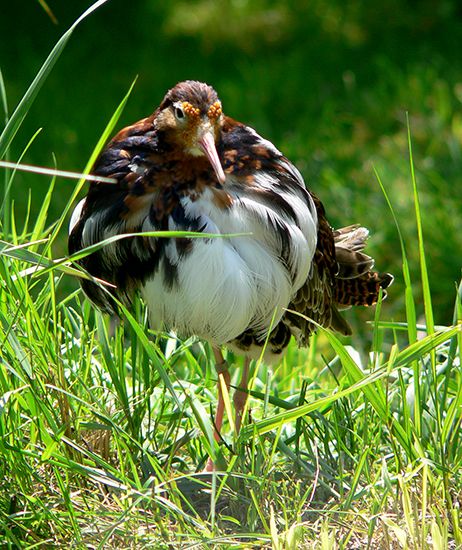
- Social Variations: The ruff is notable for its promiscuous mating system, where males gather at communal display grounds called leks. In this species, females assume all domestic responsibilities, including incubation and chick-rearing.1
Care of Young
Sandpiper chicks are precocial, meaning they hatch covered in down and are active enough to leave the nest during their first day.31
- Development: Parents often protect their young through alarm calls that signal chicks to crouch and hide. In many species, parents may perform injury-feigning displays to divert predators away from the brood.1
- Parental Roles: While biparental care is common, roles can shift; in some cases, one parent may depart, leaving the other to finish raising the chicks. Chicks are generally brooded during storms or cold weather for about two weeks and remain near their parents until they are capable of flight, which typically occurs around 26 days of age.1
- Polyandry: Some species, such as the spotted sandpiper, practice polyandry, where females may mate with multiple males, often leaving the incubation and care of the young to the males.14
What are the defining physical characteristics of sandpipers?
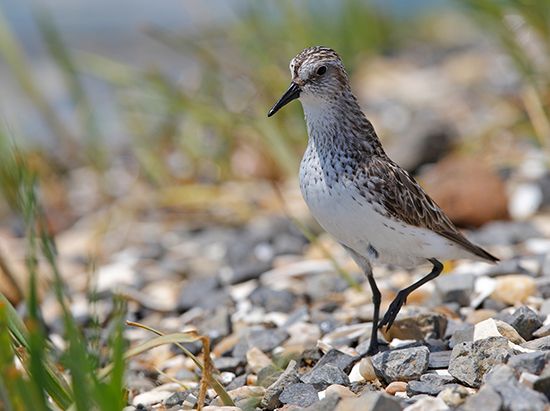
Sandpipers are small to middle-sized shorebirds belonging to the family Scolopacidae, typically measuring 15 to 30 cm (6 to 12 inches) in length. Their defining physical characteristics include:1
- Body Structure: They possess moderately long bills and legs, long, narrow wings, and fairly short tails.1
- Bill Specialization: Most species have slender, flexible bills adapted for probing mud or picking up prey. In specialized probers, the upper jaw is rigidly attached to the cranium and features a mobile tip equipped with tactile sense organs to help grasp hidden invertebrates.6
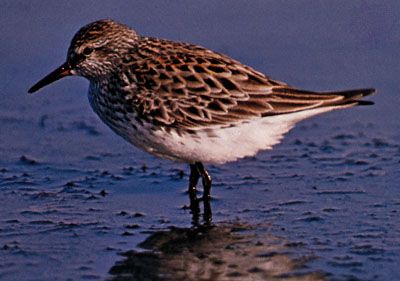
- Coloration: Their plumage often displays a complex “dead-grass” pattern of browns, buffs, and blacks on the upperparts, with white or cream coloring underneath. Many species appear paler in autumn than in spring.1
- Variations: While their general appearance is often similar, some species exhibit distinguishing features such as speckled breasts, white rump bands, or contrasting throat patches. For instance, the sanderling is known for being the whitest of sandpipers in winter, while the upland sandpiper is noted for its slender, gray-streaked appearance.17
How many species of sandpipers exist and what are some common types?
The term “sandpiper” refers to numerous shorebirds within the family Scolopacidae, which also includes woodcocks and snipes. While the provided information does not specify an exact total count of species, it highlights that the group is diverse and includes many birds formerly classified in various genera that are now largely grouped under the broad genus Calidris.1
Common types of sandpipers include:
- Common Sandpiper (Actitis hypoleucos): An abundant Eurasian breeder known for its nervous tail-wagging habit.1
- Spotted Sandpiper (A. macularia): The most well-known sandpiper in the New World, breeding near North American streams and ponds.1
- Solitary Sandpiper (Tringa solitaria): Unique for nesting in the abandoned tree nests of other birds rather than on the ground.1
- Least Sandpiper (C. minutilla): The smallest species, measuring less than 15 cm.1
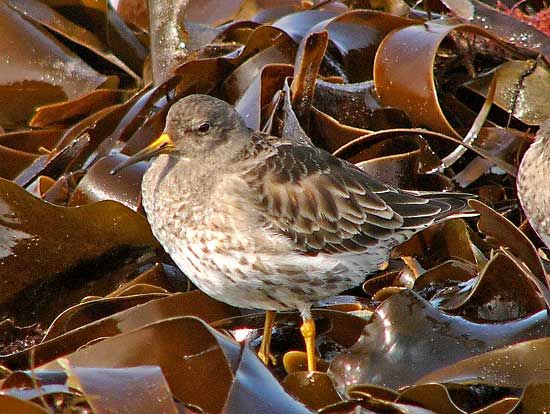
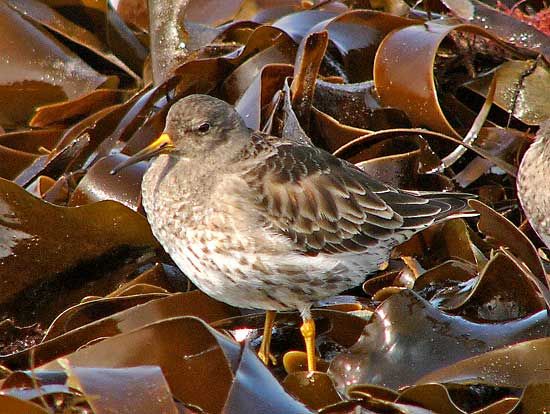
- Purple Sandpiper (C. maritima): A grayish bird that breeds in Arctic highlands.1
- Upland Sandpiper (Bartramia longicauda): A slender, field-dwelling bird often mistaken for a plover.1
Sources
- Sandpiper — Encyclopædia Britannica
- Charadriiform - Locomotion and feeding behaviour — Encyclopædia Britannica
- Charadriiform - Shorebirds (suborder Charadrii) — Encyclopædia Britannica
- Animal social behavior - Social interactions involving sex — Encyclopædia Britannica
- Animal social behavior - Social interactions involving the costs and benefits of parental care — Encyclopædia Britannica
- scorpaeniform - Annotated classification — Encyclopædia Britannica
- Charadriiform - Adaptations for feeding — Encyclopædia Britannica
- Sanderling — Encyclopædia Britannica
Published on · 4 min read