São Jorge Island
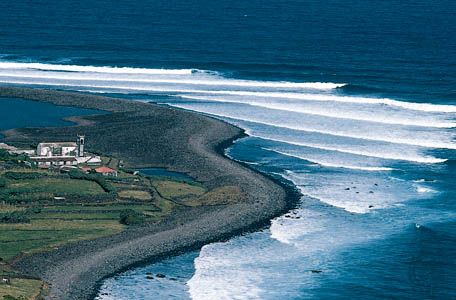
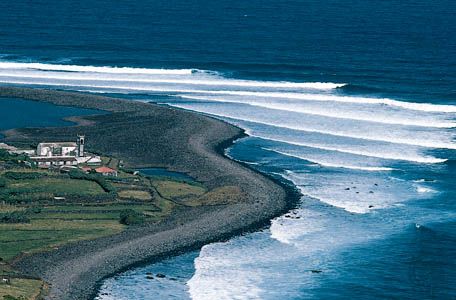
São Jorge Island is a volcanic island located in the central group of the Azores, an autonomous region of Portugal situated in the North Atlantic Ocean.
What is São Jorge Island?
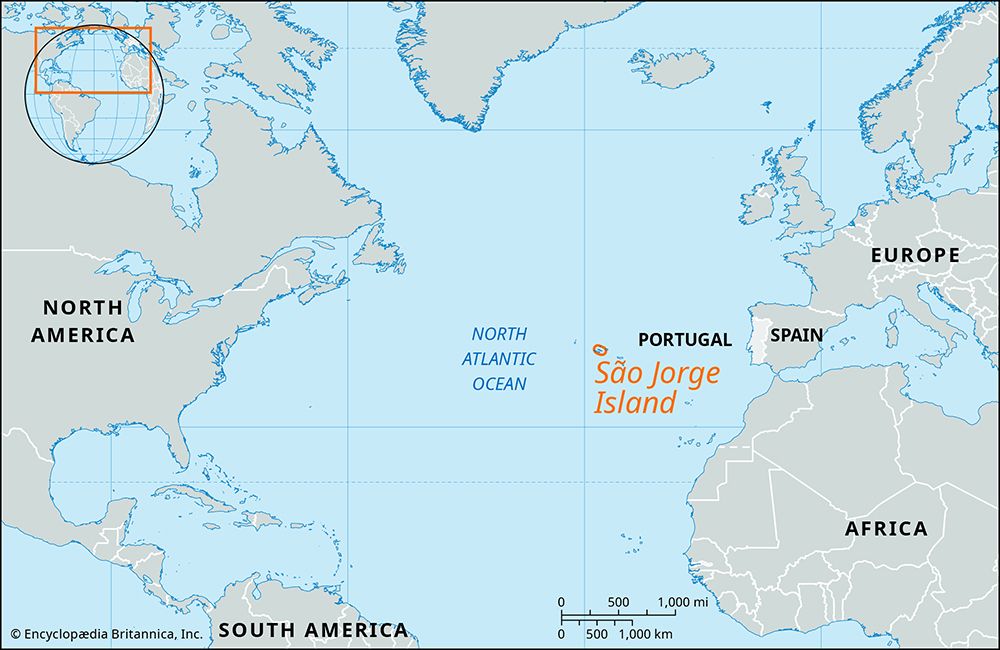
São Jorge Island is a volcanic island located in the central group of the Azores, an autonomous region of Portugal situated in the North Atlantic Ocean.12
Measuring approximately 36 by 4 miles (58 by 6 km), the island covers an area of about 95 square miles (246 square km). Its landscape is defined by its volcanic origins, with its central peak, Esperança Peak, reaching an elevation of 3,455 feet (1,053 meters).1
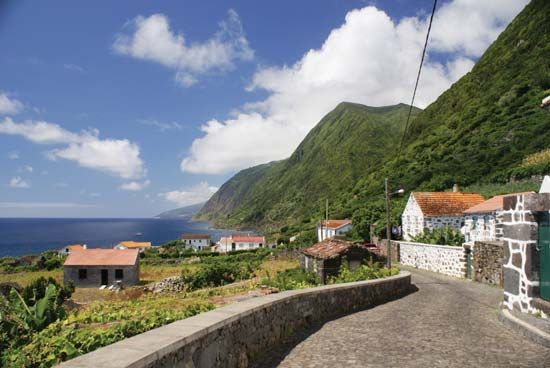
The island is well-regarded for its agricultural output, particularly its high-quality cured cheese, which is exported to mainland Europe, as well as its production of wine. Like the rest of the Azores, São Jorge is part of a chain of islands that rise from the Mid-Atlantic Ridge, characterized by a subtropical climate and a history of geological activity.12
How were the Azores islands formed by volcanic activity?
The Azores archipelago was formed through intense volcanic activity associated with the Mid-Atlantic Ridge, a massive submarine mountain range that bisects the Atlantic Ocean basin.324
The islands are essentially the peaks of this vast mountain range that have risen above sea level. The geological formation of the Azores is driven by the following processes:32
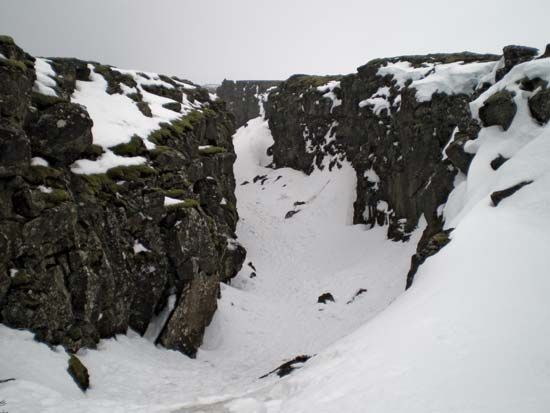
- Seafloor Spreading: The Mid-Atlantic Ridge is a divergent plate boundary where tectonic plates move apart. As they separate, molten magma from the mantle wells up to fill the gap, cooling to create new ocean floor.35
- Subaerial Volcanism: While most volcanic activity along oceanic ridges occurs underwater, the Azores are located where the ridge is sufficiently elevated to emerge above the surface. This allows for subaerial (above-water) volcanic eruptions that build the islands over time.5
- Geological Instability: The region remains geologically active, characterized by frequent earthquakes and eruptions, such as the 1957–58 Capelinhos eruption that expanded Faial Island2.6
What other islands make up the central group of the Azores?
The central group of the Azores archipelago consists of five major islands. In addition to São Jorge, this group includes:
These islands, along with the eastern and northwestern groups, form the nine major islands that comprise the autonomous region of Portugal.2
We could dive deeper into the unique characteristics of these specific islands or discuss the other island groups in the archipelago.
Why is the Mid-Atlantic Ridge important to the geography of the Azores?
The Mid-Atlantic Ridge is fundamental to the geography of the Azores because the islands are essentially the exposed peaks of this massive, 10,000-mile-long submarine mountain range.32
The ridge’s importance to the archipelago is defined by several key geological factors:
- Formation and Elevation: While most of the Mid-Atlantic Ridge remains deep underwater, the Azores are located where the ridge is sufficiently elevated to rise above sea level. This allows the mountain summits to form the islands themselves.310
- Tectonic Setting: The islands sit at the juncture of crustal plates. The ridge acts as a divergent boundary where seafloor spreading occurs; as tectonic plates move apart, molten magma wells up from the mantle to create new crust.3119
- Geological Activity: The ridge is a site of persistent volcanic activity and earthquakes. This ongoing instability has shaped the islands’ dramatic topography, including deep calderas and crater lakes, and continues to influence their physical evolution, as seen in historical eruptions that have expanded the landmass.32
Sources
- São Jorge Island — Encyclopædia Britannica
- Azores — Encyclopædia Britannica
- Mid-Atlantic Ridge — Encyclopædia Britannica
- aseismic ridge — Encyclopædia Britannica
- Portugal - The Azores — Encyclopædia Britannica
- oceanic ridge - Atlantic Ocean — Encyclopædia Britannica
- Azores — Merriam-Webster
- plate tectonics - Plate boundaries — Encyclopædia Britannica
- volcanism — Encyclopædia Britannica
- Atlantic Ocean - Origin and development — Encyclopædia Britannica
- volcano - Subduction volcanoes — Encyclopædia Britannica
- oceanic ridge - Spreading centre zones — Encyclopædia Britannica
- plate tectonics - Seafloor spreading — Encyclopædia Britannica
Published on · 3 min read