Sapote
The term "sapote" is often applied to several distinct, unrelated fruits native to Latin America. While they share a common name, they belong to different…
What are the different types of sapote fruits and how do they differ?
The term “sapote” is often applied to several distinct, unrelated fruits native to Latin America. While they share a common name, they belong to different botanical families and possess unique characteristics.12
Major Types of Sapote
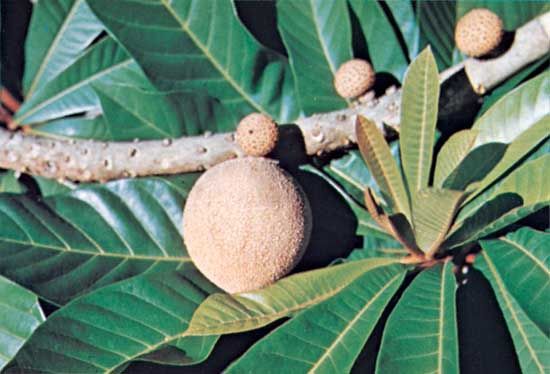
- Mamey Sapote (Pouteria sapota): A member of the Sapotaceae family, this fruit is characterized by a rusty brown, spherical peel and reddish-orange flesh. It has a creamy consistency and a mild, musky-sweet flavor.1
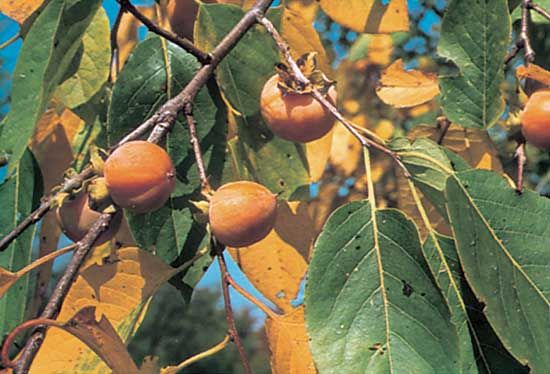
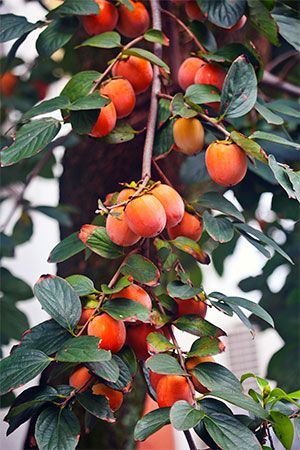
- Black Sapote (Diospyros nigra): Often called the “chocolate pudding fruit,” this member of the Ebenaceae family is related to the persimmon. It is known for its dark, almost seedless flesh.13
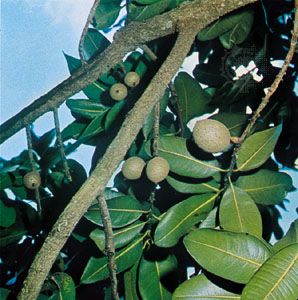
- White Sapote (Casimiroa edulis): Also known as casimiroa, this fruit belongs to the Rutaceae family. It is a round, pulpy fruit native to regions ranging from Mexico to Costa Rica.14
It is important to note that the Mamey apple (Mammea americana) is a separate, unrelated fruit from the family Calophyllaceae and should not be confused with the mamey sapote.2
Where do sapote trees primarily grow, and what are their ideal growing conditions?
Sapote trees are primarily native to Central America and various regions across Latin America, though their specific ranges vary by species.12
- Mamey Sapote (Pouteria sapota): Native to Central America, this species is also cultivated as far north as the southeastern United States. It grows as a large evergreen tree reaching heights of approximately 23 metres (75 feet).1
- Black Sapote (Diospyros nigra): This species is found throughout the Caribbean and Central America.1
- White Sapote (Casimiroa edulis): This tree is native to a range extending from Mexico to Costa Rica.1
While the provided information confirms these trees thrive in tropical and subtropical climates across the Americas, specific data regarding their precise soil, water, or temperature requirements is not available in the current knowledge base.12
What is the origin and etymology of the word ‘sapote’?
The word “sapote” refers to several sweet, soft-fleshed fruits native to Mexico and Central America. Its etymology is rooted in the Spanish word zapote, which was derived from the Nahuatl term tzapotl5.56
The term was first recorded in use in 1572. While “sapote” is the common name for these fruits, it is also linguistically related to “sapota,” a term used to describe the sapodilla fruit.56
Why is the black sapote often called the chocolate pudding fruit?
The black sapote (Diospyros nigra) is frequently referred to as the chocolate pudding fruit due to the unique texture and appearance of its flesh when ripe. Once mature, the fruit’s pulp becomes dark, soft, and creamy, bearing a striking resemblance to chocolate pudding in both consistency and color.1
Unlike the mamey sapote, which belongs to the Sapotaceae family, the black sapote is a member of the Ebenaceae family, which is the same family that includes ebony trees.1
Sources
- sapote — Encyclopædia Britannica
- Mamey apple — Encyclopædia Britannica
- black sapote — Merriam-Webster
- white sapota — Merriam-Webster
- sapote — Merriam-Webster
- sapota — Merriam-Webster
Published on · 2 min read