Sauropod
Sauropods first appeared in the fossil record during the Early Jurassic Period, approximately 201 million to 174 million years ago. They evolved from…
When did sauropods first appear in the fossil record, and how long did they exist?
Sauropods first appeared in the fossil record during the Early Jurassic Period, approximately 201 million to 174 million years ago. They evolved from earlier, smaller, and bipedal ancestors known as prosauropods, which died out during the Early Jurassic.12
Following their emergence, sauropods became highly diverse and reached massive sizes by the Late Jurassic Epoch. They remained one of the dominant groups of dinosaurs throughout the Cretaceous Period, persisting until the end of that period approximately 66 million years ago.12
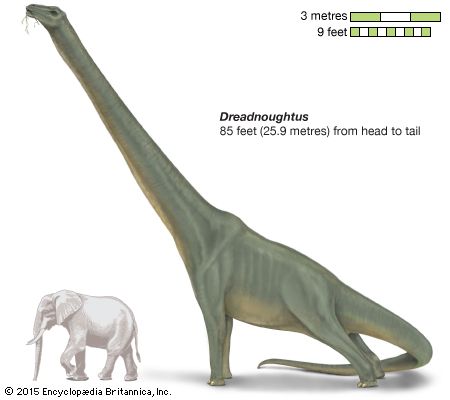
What were some of the largest known sauropod species, and how did they compare in size to other dinosaurs?
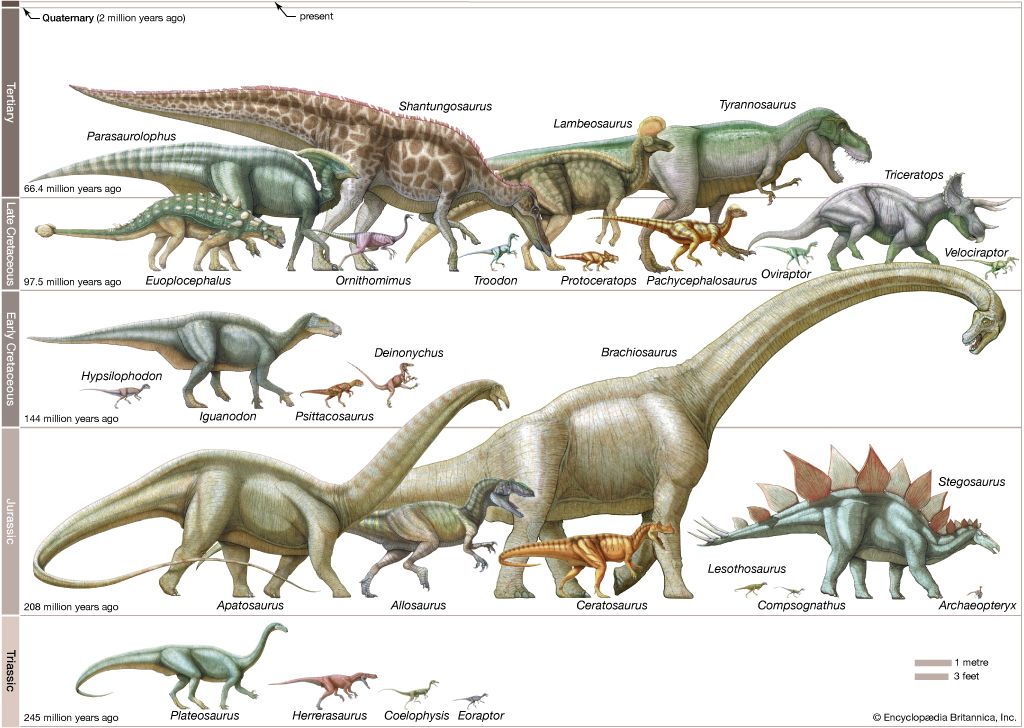
Sauropods were the largest land animals to ever exist, far exceeding the size of other well-known dinosaurs like Tyrannosaurus rex or Spinosaurus. While a large theropod like T. rex weighed roughly 4 to 7 metric tons, many sauropods reached weights ten times that amount or more.142
Notable Large Sauropod Species
Several species within the subgroup Titanosauria are considered the largest terrestrial animals in history:4
- Argentinosaurus: Often cited as the largest known dinosaur, estimates suggest it reached lengths of 37 to 40 meters (121 to 131 feet) and weighed between 90 and 100 metric tons.4
- Patagotitan mayorum: Another massive contender, this species is estimated to have been approximately 37.2 meters (122 feet) long with a weight of about 70 metric tons.4
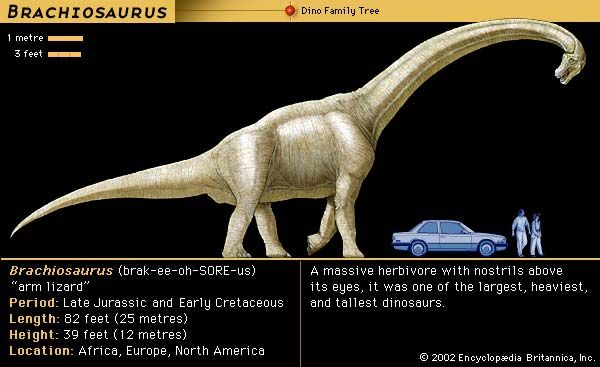
- Brachiosaurus: A giant of the Late Jurassic, it reached lengths of 30 meters (about 98 feet) and weighed approximately 80 metric tons.15
- Dreadnoughtus: Known for its relatively complete fossil remains, this titanosaur measured about 26 meters (85 feet) long and weighed roughly 59 metric tons.14
- Paralititan: Estimated to have rivaled Argentinosaurus in size, this species reached lengths of 25 to 30.5 meters (82 to 100 feet) and weighed between 60 and 75 metric tons.4
These giants utilized specialized skeletal features, such as hollowed-out vertebrae, to reduce their massive weight while maintaining the structural integrity needed to support their bodies on land.15
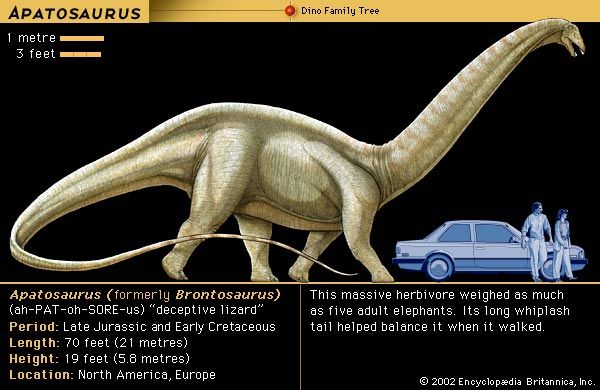
How did sauropods’ long necks and tails affect their physiology and behavior?
The long necks and tails of sauropods were essential to their physiology and behavior, serving as specialized tools for survival as massive, terrestrial herbivores.
The Role of the Neck
The primary function of the long neck was to elevate the feeding apparatus, allowing sauropods to browse foliage from tall trees, much like modern giraffes. This adaptation provided access to food sources unavailable to other herbivores. Because of the physical laws of hydrostatic pressure, it is now understood that these necks did not function as snorkels for submerged animals; rather, they were terrestrial adaptations for reaching high vegetation or elevating the eyes for better visibility. To support such length, their vertebrae were highly modified with excavations and struts to reduce weight while maintaining structural strength.517
The Role of the Tail
The long, often whiplike tail served several critical functions:
- Locomotion: The tail acted as a vital anchor for the powerful hind leg muscles, providing the force necessary to move the animal’s massive bulk.5
- Thermal Regulation: Its large surface area likely aided in heat loss, helping the animal manage its body temperature.5
- Counterbalance: While sauropods were obligate quadrupeds, the tail served as a structural extension of the body, and in their ancestors, it acted as a stabilizer for bipedal movement.58
What are the key physical characteristics that define sauropod dinosaurs?
Sauropods, members of the dinosaur subgroup Sauropoda, are defined by a distinct body plan adapted for life as massive, terrestrial herbivores. Their key physical characteristics include:
- Body Proportions: They possessed a small head situated at the end of an extremely long neck, a massive body housing a large gut, and a very long, tapering, often whiplike tail.12
- Stance and Limbs: Sauropods were obligate quadrupeds with thick, columnar legs maintained in a nearly vertical position beneath the shoulder and hip sockets, similar to modern elephants. Their feet were broad and adapted for bearing great weight.110
- Skeletal Adaptations: To support their immense size, their vertebrae were highly modified with excavations and struts, which reduced bone weight while maintaining structural strength. A massive hip girdle was fused to the backbone to provide solid support for the torso and tail.110
- Feeding Apparatus: Their teeth were typically spoon-shaped or pencil-shaped, specialized for browsing foliage from trees. They likely relied on swallowed stones (gastroliths) or specialized gut bacteria to process their cellulose-heavy diet.1108
Sources
- sauropod — Encyclopædia Britannica
- saurischian — Encyclopædia Britannica
- dinosaur - The first finds — Encyclopædia Britannica
- Titanosaurs: 8 of the World’s Biggest Dinosaurs — Encyclopædia Britannica
- dinosaur - Sauropoda — Encyclopædia Britannica
- Spinosaurus: Top Questions — Encyclopædia Britannica
- Why do giraffes have long necks? — Encyclopædia Britannica
- dinosaur - Prosauropoda — Encyclopædia Britannica
- brachiosaur — Encyclopædia Britannica
- dinosaur - The plant eaters — Encyclopædia Britannica
Published on · 4 min read