Soda Lake
A soda lake, also known as an alkali lake, is a type of body of water characterized by high alkalinity.
What is Soda Lake?
A soda lake, also known as an alkali lake, is a type of body of water characterized by high alkalinity.1
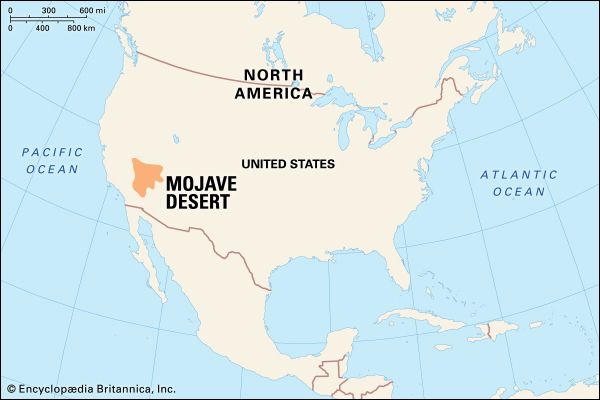
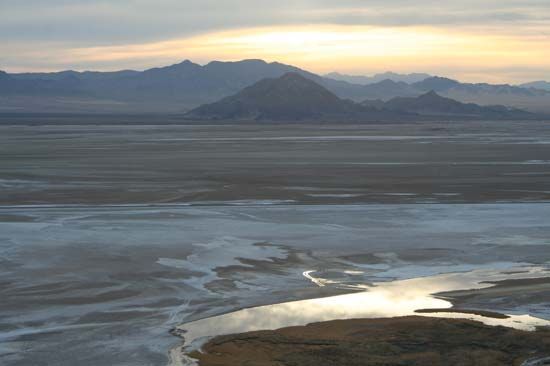
Specifically, Soda Lake is a dry lake located in San Bernardino County, California, within the Mojave Desert. It represents a remnant of the ancient Ice Age Lake Mojave and serves as the terminus for the Mojave River. Because the lake has no outlet to the sea, the water evaporates rapidly, leaving behind deposits of alkaline evaporites, such as sodium carbonate and sodium bicarbonate.2
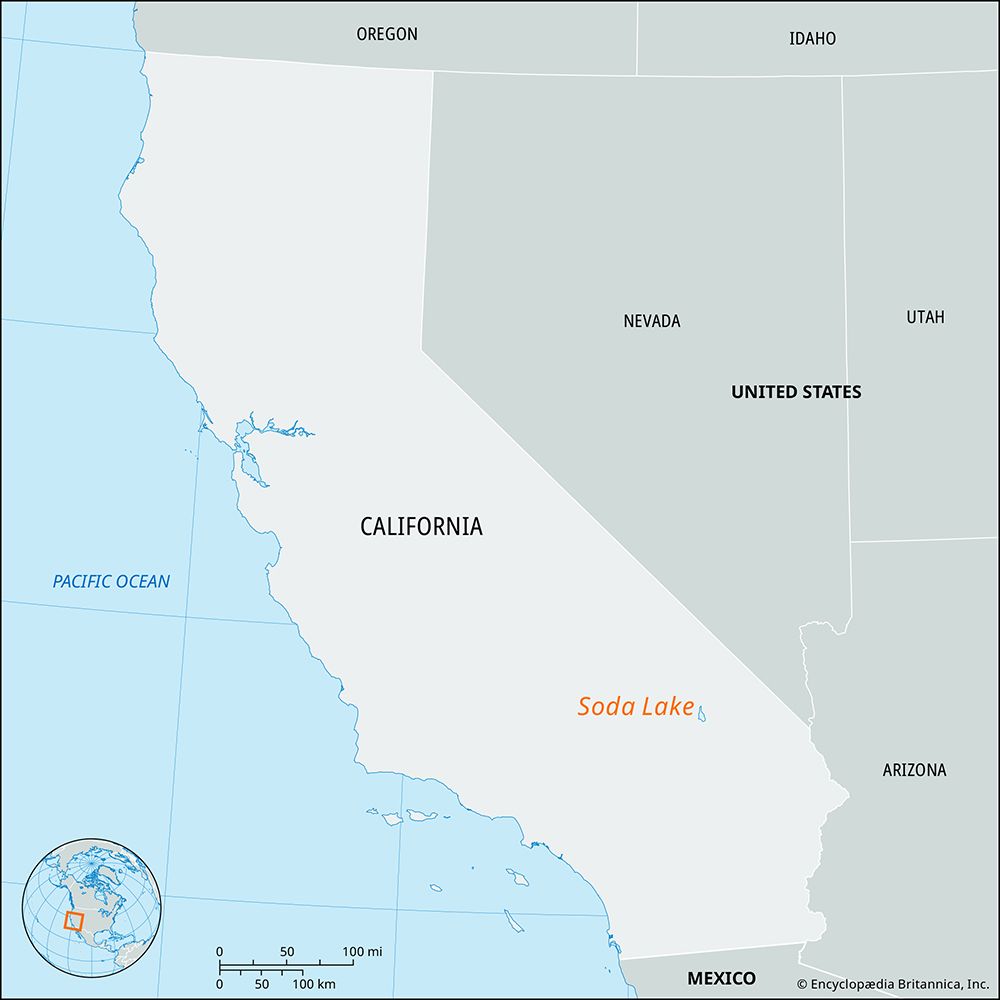
How do alkaline lakes form in desert environments?
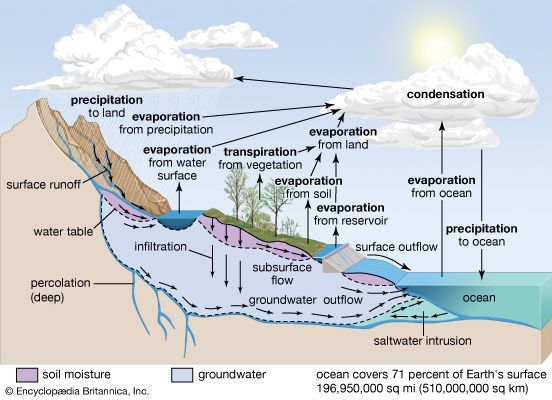
Alkaline lakes, also known as soda lakes, form primarily in arid environments where the rate of evaporation significantly exceeds the rate of water replenishment from precipitation and inflow. These lakes typically occupy closed basins with no outlet to the sea, causing water to accumulate and eventually evaporate, which concentrates dissolved salts and minerals.34562
The formation process involves several key factors:
- Closed Drainage: Because these lakes lack an outlet, water that enters the basin remains trapped. As the water evaporates, it leaves behind concentrated brines rich in dissolved solids.36
- Chemical Precipitation: As the brine becomes increasingly concentrated, specific minerals begin to precipitate. In alkaline lakes, this includes high concentrations of sodium carbonate and sodium bicarbonate. Other common precipitates in saline lake systems include calcite, dolomite, and halite.524
- Aridity: High temperatures and low precipitation are essential for maintaining the high evaporation rates required to create these evaporite deposits.4
These environments are dynamic and sensitive to changes in climate and human water usage, which can alter the balance of the hydrologic cycle within the basin.67
What is the history of the ancient Lake Mojave?
Ancient Lake Mojave was a significant body of water that existed during the Ice Age in what is now the Mojave Desert of southern California. As the climate shifted following the glacial period, the lake gradually receded, leaving behind the dry lake beds known today as Soda Lake.
Currently, Soda Lake serves as the terminus for the Mojave River, which flows predominantly underground before reaching the basin. Because the area lacks an outlet to the sea, the water evaporates rapidly, resulting in the accumulation of alkaline evaporites, such as sodium carbonate and sodium bicarbonate. These remnants provide a geological record of the region’s transition from a wetter, cooler climate to the arid environment characteristic of the modern North American desert.29
We could dive deeper into the broader geological history of the North American Desert or explore how other ancient lakes in the region have evolved.
What types of plants and animals can survive in high-alkalinity areas?
Most organisms are unable to survive in conditions of extreme alkalinity, as many essential molecular processes within cells require a near-neutral pH to function properly. However, certain specialized organisms, known as extremophiles, have evolved to thrive in these harsh environments.101112
Specialized Life Forms
- Alkaliphiles: These are organisms, primarily prokaryotic (such as archaea and bacteria), that grow optimally in environments with a pH above 9.11
- Haloalkaliphiles: Some extremophiles are polyextremophiles, meaning they are adapted to multiple stresses simultaneously. Haloalkaliphiles, for example, are adapted to both high alkalinity and high salt concentrations.11
- Halophytes: These are plants that have adapted to grow in salty soils. While they are primarily categorized by their tolerance to salinity, they often inhabit the same challenging, mineral-rich environments found in or near alkaline lake basins.13
While high alkalinity and salinity generally limit biological diversity, some alkaline lakes, such as Mono Lake in California, are still capable of supporting specific forms of life. These organisms are of significant scientific interest, as they produce extremozymes—enzymes that remain functional under extreme conditions—which are highly valuable for industrial and research applications.1411
Sources
- soda lake — Merriam-Webster
- Soda Lake — Encyclopædia Britannica
- lake - Chemical precipitates — Encyclopædia Britannica
- sedimentary rock - Deep-basin environment — Encyclopædia Britannica
- lake - Occurrence — Encyclopædia Britannica
- sedimentary rock - Evaporites — Encyclopædia Britannica
- 6 Lakes That Are Drying Up — Encyclopædia Britannica
- alkali lake — Merriam-Webster
- Mojave Desert — Encyclopædia Britannica
- Inland water ecosystem - Saline lakes — Encyclopædia Britannica
- Biosphere - ph — Encyclopædia Britannica
- Extremophile — Encyclopædia Britannica
- Did you know? — Merriam-Webster
- halophyte — Merriam-Webster
- hydrosphere - Lake waters — Encyclopædia Britannica
Published on · 3 min read