Sow Bug
A sow bug is a small, terrestrial crustacean belonging to the order Isopoda. Often referred to as a wood louse, the sow bug is characterized by an oval…
What is sow bug?
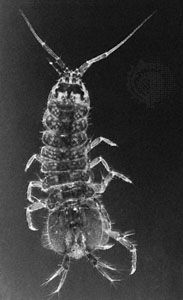
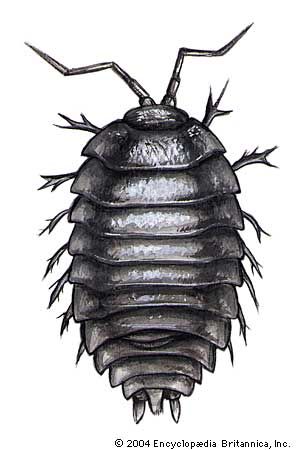
A sow bug is a small, terrestrial crustacean belonging to the order Isopoda. Often referred to as a wood louse, the sow bug is characterized by an oval, flattened, and arched body covered in broad, armor-like plates. These creatures typically possess two elbowed antennae and seven pairs of limbs.1
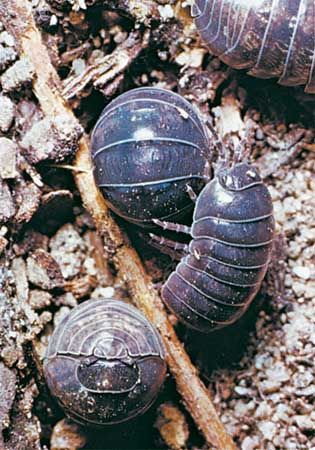
While they are closely related to the pill bug, it is important to note a distinction: unlike the pill bug, which is known for its ability to roll into a tight ball when disturbed, the sow bug generally does not exhibit this behavior. Sow bugs are commonly found in damp environments, such as under stones, in moist leaf litter, and in cellars. The species Oniscus asellus, for example, is widely distributed across Europe and has been introduced into North America.12
Why are sow bugs classified as crustaceans instead of insects?
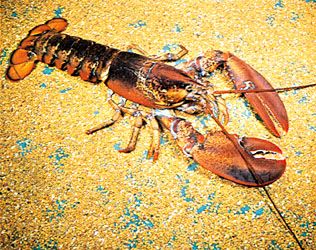
Sow bugs are classified as crustaceans rather than insects because they belong to the order Isopoda, a group within the class Crustacea. While they are terrestrial, their biological characteristics align them with other crustaceans rather than the class Insecta.45
The distinction is rooted in their evolutionary history and physiological structure. Although the endocrine systems of crustaceans and insects share some functional similarities—such as the regulation of molting—they exhibit significant differences that imply extensive independent evolution. For instance, crustaceans possess unique features like the androgenic gland, which controls male sexual differentiation, and they utilize different hormonal mechanisms to initiate molting compared to insects.6
Furthermore, sow bugs possess anatomical features typical of isopods, such as seven pairs of limbs and a body structure covered by wide, armor-like plates. While they have successfully adapted to terrestrial environments, they remain distinct from insects, which are characterized by different body segment arrangements and developmental pathways.451
What do sow bugs eat in their natural environment?
In their natural environment, sow bugs—a type of terrestrial isopod—primarily consume decaying organic matter, such as forest leaf litter.7
As part of the soil macrofauna, they play a vital role in the decomposition process. When leaves fall to the ground, they are initially broken down by fungi and other microflora, which soften the material and make it palatable. Sow bugs, along with other invertebrates like millipedes, earthworms, and springtails, then fragment this litter into a mulch. While they do not significantly alter the organic composition of the litter themselves, this fragmentation creates a suitable substrate for primary decomposers to further break the material down into simpler chemical compounds.8
How do sow bugs breathe on land?
Sow bugs have adapted to life on land by utilizing their abdominal appendages for respiration. In these crustaceans, the respiratory function is primarily handled by the abdominal appendages, where either both rami or the endopodite become thin and flattened to facilitate gas exchange.9
In addition to these structures, most sow bugs and pill bugs possess trachea-like infoldings located in some of their exopodites. These specialized internal structures allow them to breathe air effectively while living in terrestrial environments, such as leaf litter and soil, where they are protected from the risk of desiccation. Because they lack the waxy epicuticle found in many insects that helps prevent water loss, these respiratory adaptations are essential for their survival in moist, sheltered habitats.91011
Sources
- sow bug — Encyclopædia Britannica
- sow bug — Merriam-Webster
- pill bug — Encyclopædia Britannica
- isopod — Encyclopædia Britannica
- crustacean - Distribution and abundance — Encyclopædia Britannica
- Hormone - Hormones of crustaceans — Encyclopædia Britannica
- soil organism — Encyclopædia Britannica
- malacostracan - Food and feeding — Encyclopædia Britannica
- Respiratory system - Gills of invertebrates — Encyclopædia Britannica
- Respiratory system - Trachea — Encyclopædia Britannica
- crustacean - The respiratory system — Encyclopædia Britannica
- arthropod - Excretory system and water balance — Encyclopædia Britannica
Published on · 2 min read