Tabasco Plain
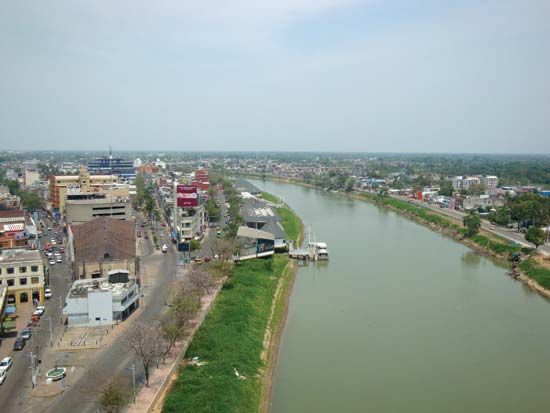
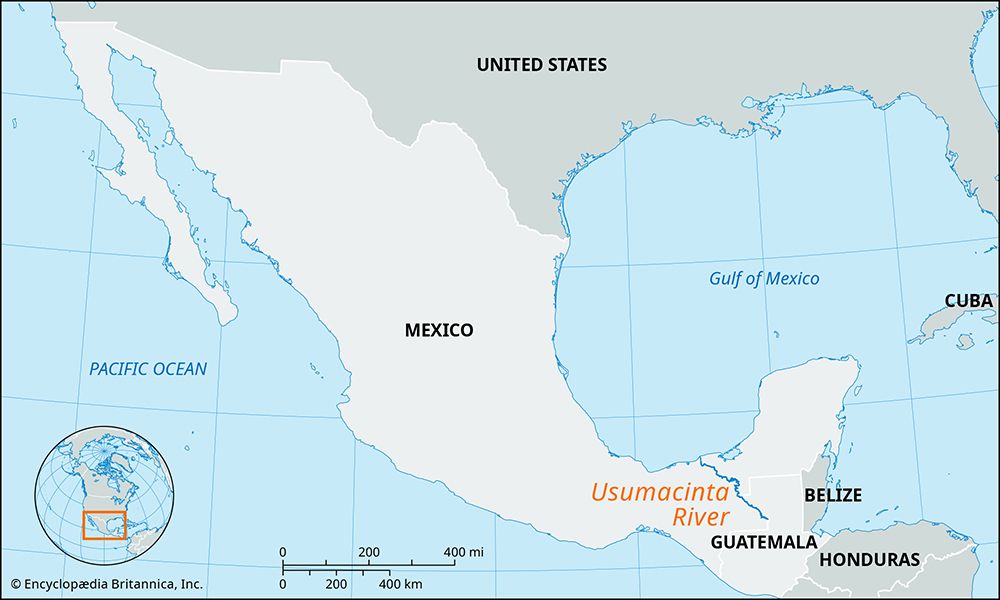
The Tabasco Plain is a tropical lowland formed by alluvial deposits from the Grijalva and Usumacinta river systems. These rivers, which contribute…
How has the hydrology of the Tabasco Plain changed over time, and what impact has this had on local communities?
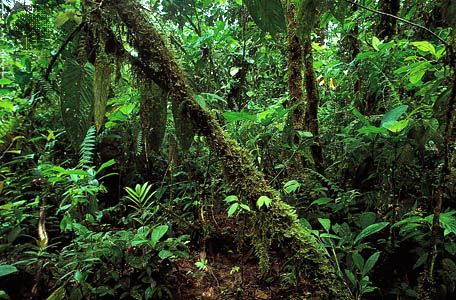
The Tabasco Plain is a tropical lowland formed by alluvial deposits from the Grijalva and Usumacinta river systems. These rivers, which contribute significantly to Mexico’s total river volume, create a landscape defined by heavy rainfall, dense tropical forests, and frequent flooding that inundates vast areas of the delta.12
Regarding changes over time, the provided information does not document specific historical shifts in the hydrology of the Tabasco Plain itself. However, the region has experienced significant demographic and economic changes. Historically, the area was part of the Olmec trading network and later settled by the Maya, whose descendants, the Chontal Maya, still inhabit the lowlands. The most notable modern transformation occurred in the late 1970s following the discovery of abundant oil reserves, which triggered a major population influx into what was previously a sparsely populated region.1
The Britannica knowledge base does not contain specific data regarding how hydrological changes have directly impacted these local communities.
What indigenous cultures have historically inhabited the Tabasco Plain area?
The Tabasco Plain has been home to several significant indigenous cultures throughout its history. These groups established complex societies that shaped the region’s cultural and historical landscape:
- Olmec: Recognized as the first elaborate pre-Columbian civilization in Mesoamerica, the Olmecs were active in the region between approximately 1200 and 400 BCE. They developed a vast trading network and are known for their monumental stone carvings, including colossal heads, and early evidence of a writing system.23
- Maya: Following the decline of the Olmecs, the Maya became the dominant cultural influence in the area. Their presence and societal structures had a lasting impact on the region.24
- Chontal: A Mayan group, the Chontal have long inhabited the lowland areas of the Tabasco Plain. Descendants of the Chontal Maya continue to live in the region today, maintaining traditional practices and cultural ties to the land.245
- Nahua: Historical records also identify the Nahua as one of the pre-Hispanic indigenous cultures that inhabited the area.4
These cultures thrived in the hot, humid lowlands, utilizing the fertile floodplains of the Grijalva and Usumacinta rivers for agriculture and transportation.24
How does the climate of the Tabasco Plain affect its ecology and agriculture?
The climate of the Tabasco Plain is characterized as hot and humid with heavy rainfall, which fundamentally shapes both its ecology and agricultural productivity.2
Ecological Impact
The combination of high precipitation and the region’s low-lying topography creates a landscape dominated by dense tropical forests. The frequent, heavy rains contribute to the formation of extensive lagoons, swamps, and wetlands. These hydrological features are sustained by the Grijalva and Usumacinta rivers, which regularly overflow their banks, causing annual floods that inundate vast areas of the delta.24
Agricultural Impact
The climate and river systems work in tandem to support a robust agricultural sector. The rivers deposit nutrient-rich alluvial materials across the floodplains, creating highly fertile soil. This environment is ideal for a variety of tropical crops, including:24
Additionally, the region’s climate supports the growth of various hardwoods, which are processed for forestry, and provides conditions suitable for cattle raising and beekeeping.24
What are the major economic activities in the Tabasco Plain region?
The economy of the Tabasco Plain is driven by a combination of traditional agricultural practices and the significant extraction of natural resources.
Agriculture, Forestry, and Fishing
Agriculture remains a vital component of the regional economy, supported by the fertile alluvial soils deposited by the Grijalva and Usumacinta rivers. Key agricultural activities include:
- Crops: The region produces cacao, copra (from coconuts), corn (maize), sugarcane, and tropical fruits, most notably bananas and papayas.42
- Livestock: Cattle raising is a major commercial activity, with producers often favoring Brahman cattle due to their resilience in the hot, humid climate.48
- Forestry and Fishing: The processing of hardwoods, such as mahogany and red cedar, is important, as is fishing in the Gulf of Mexico. Beekeeping also contributes to the local economy.4
Petroleum and Industry
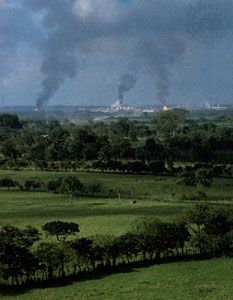
The discovery of abundant oil reserves in the late 1970s transformed the region, making the petroleum industry a primary source of employment and income.42
- Extraction and Refining: Petroleum is extracted from various fields and refined locally. The state is home to significant petrochemical facilities, including those at Ciudad Pemex.49
- Energy Infrastructure: The region plays a critical role in Mexico’s energy sector, housing major natural gas fields and supporting infrastructure that transports these resources to other parts of the country.9
Sources
- Mexico - Drainage of Mexico — Encyclopædia Britannica
- Tabasco Plain — Encyclopædia Britannica
- Olmec — Encyclopædia Britannica
- Tabasco — Encyclopædia Britannica
- Chontal — Encyclopædia Britannica
- Grijalva River — Encyclopædia Britannica
- Usumacinta River — Encyclopædia Britannica
- Mexico - Agriculture — Encyclopædia Britannica
- Mexico - Resources and power — Encyclopædia Britannica
- Orinoco River - Agriculture — Encyclopædia Britannica
Published on · 4 min read