Tahiti
Efforts to preserve and promote the Tahitian language have gained momentum alongside the region's growing independence. A significant milestone in these…
How do Tahitians preserve their language and what efforts are being made to promote it?
Efforts to preserve and promote the Tahitian language have gained momentum alongside the region’s growing independence. A significant milestone in these efforts was the elevation of Tahitian to the status of an official language in French Polynesia during the late 20th century.12
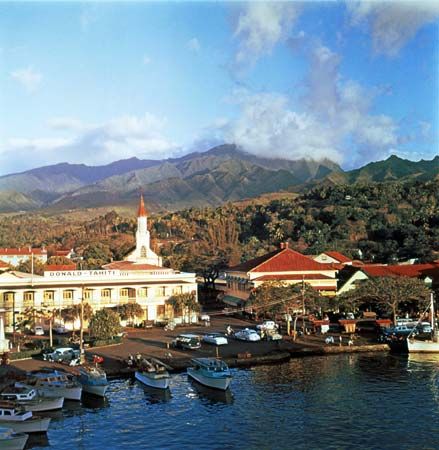
Institutional support plays a key role in these preservation initiatives. An ethnographic museum and a learned society located in Papeete actively contribute to the protection and documentation of the region’s cultural heritage. Furthermore, Tahitian serves as a widely used lingua franca across the islands, which helps maintain its relevance in daily communication.13
Despite these advancements, the language faces ongoing challenges. The prevalence of European and North American media, combined with a limited amount of broadcasting and the absence of newspapers in Polynesian languages, continues to threaten the long-term vitality of the culture and its native tongue.1
Where is Tahiti located and what is its geographical significance in French Polynesia?
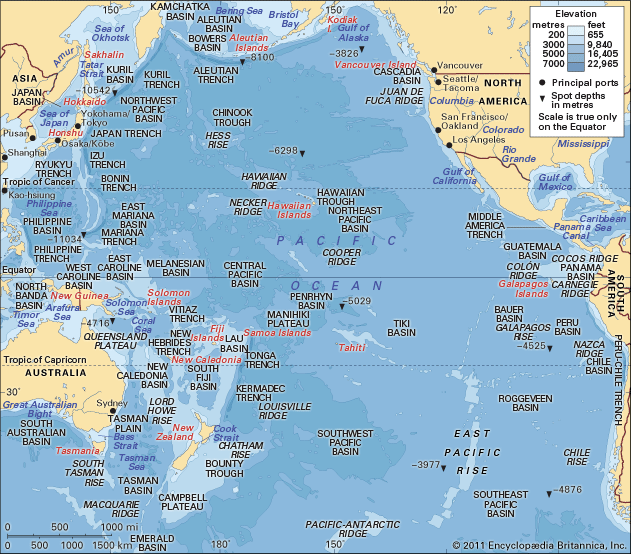
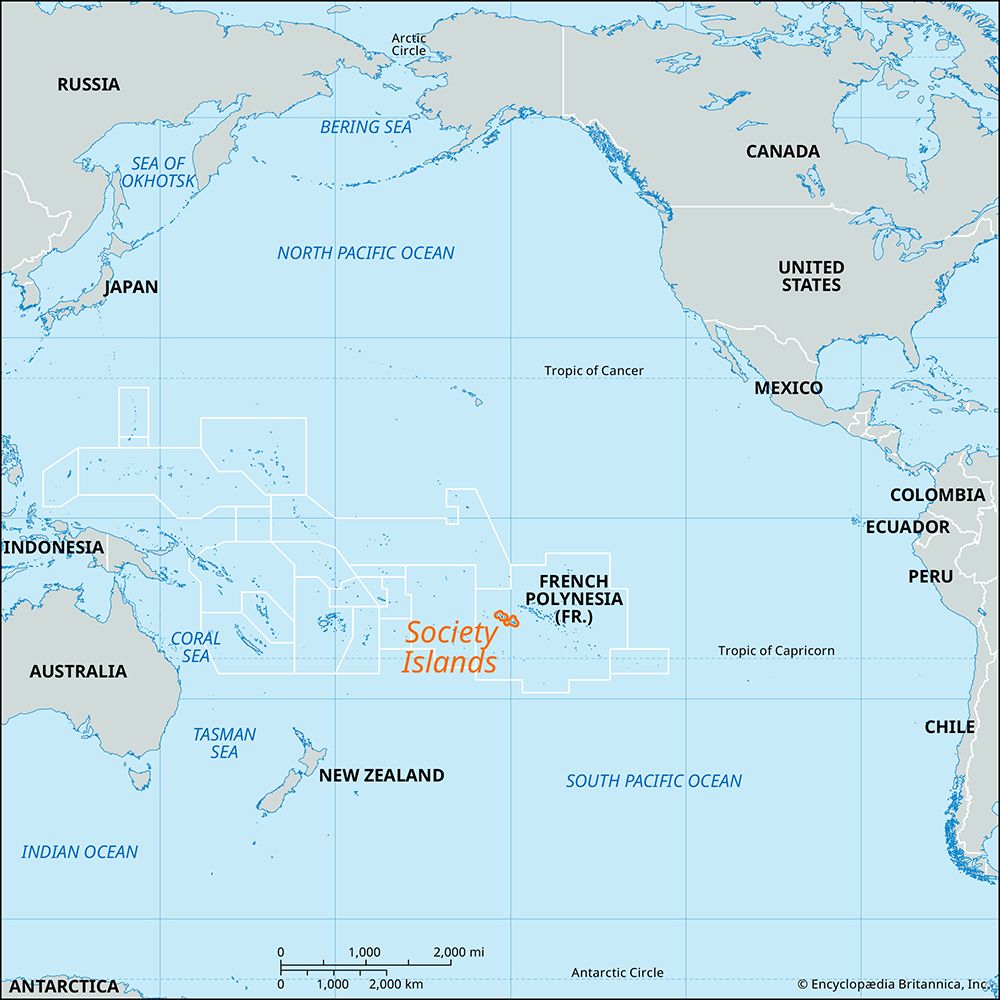
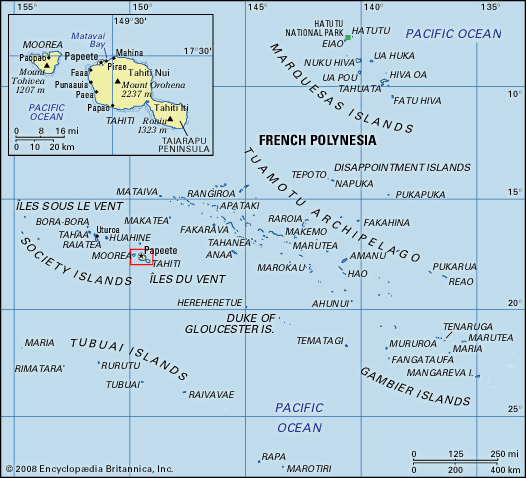
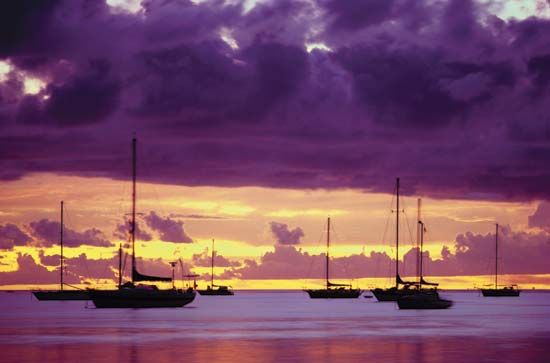
Tahiti is located in the central South Pacific Ocean and serves as the largest island of the Îles du Vent (Windward Islands) within the Society Islands group of French Polynesia.56
Its geographical and administrative significance is substantial:
- Administrative Hub: Tahiti is home to Papeete, the capital and administrative center of French Polynesia.56
- Population and Land: Covering 403 square miles (1,043 square km), the island accounts for nearly one-third of the total land area of French Polynesia and is home to more than two-thirds of its population.6
- Economic Center: As the primary gateway to the region, Tahiti hosts an international airport at Faaa and a major transpacific port in Papeete, which are vital for tourism, the country’s main economic activity.67
- Physical Geography: The island is formed by two ancient eroded volcanic cones, Tahiti Nui and Tahiti Iti, connected by the Isthmus of Taravao. Its terrain is largely mountainous and jagged, fringed by coral reefs and lagoons.6
How does Tahiti’s economy function, and what are its main industries?
The economy of Tahiti is inextricably linked to that of French Polynesia, for which it serves as the primary administrative and economic hub. The economy functions through a mix of modern service-based industries, traditional agriculture, and government-supported development.
Main Industries
- Tourism: This is the country’s leading economic activity. Tahiti acts as a major base for visitors, facilitated by the international airport at Faaa and the modern port in Papeete, which serve as gateways to the broader region.7910
- Agriculture and Fishing: While agriculture was once of primary importance, it now contributes a smaller portion to the gross domestic product. Local subsistence farming includes fruits, cattle, pigs, and chickens. The fishing industry has grown significantly following the extension of territorial waters to 200 nautical miles, with shrimp and oyster farming becoming notable activities.7
- Pearls and Exports: Black cultured pearls, primarily from the Tuamotu and Gambier islands, account for approximately two-thirds of export earnings. Other manufactured products include copra, coconut oil, beer, and printed cloth.7
- Energy: Since the early 1980s, hydroelectric power plants on Tahiti have become a vital component of the infrastructure, providing about one-third of the country’s electricity.7
Historically, the economy was heavily bolstered by French military spending related to nuclear testing facilities. Following the 1996 moratorium on testing, the government has focused on diversifying the economy and stimulating new investment to compensate for the loss of that revenue.7
How has Tahitian art, such as painting and tattooing, influenced global culture?
Tahitian art and cultural practices have significantly influenced global culture, particularly through the dissemination of language, the evolution of visual arts, and the global spread of tattooing.
The Global Impact of Tattooing
The word tattoo itself was introduced into English and other European languages from Tahiti, where it was first recorded by Captain James Cook’s expedition in 1769. Following this contact, the sight of tattooed Polynesians sparked immense interest in Europe and the United States, leading to the establishment of tattoo “parlours” in port cities worldwide. This fascination helped catalyze the global practice of tattooing, which eventually evolved into the standardized nautical, military, and decorative motifs seen today.1
Influence on Painting and Western Imagination
Tahiti played a pivotal role in the development of modern Western art through the work of the French painter Paul Gauguin. Seeking a “primitive” expression of spiritual and emotional states, Gauguin moved to Tahiti, where he incorporated local imagery and spiritual themes into his work. His experiments with broad planes of color and simplified forms influenced avant-garde developments in early 20th-century art. Furthermore, early reports from explorers and artists created an idealized, romanticized image of Polynesia as a “paradise,” which has persisted in Western literature, film, and popular imagination for over two centuries.15161718
Sources
- French Polynesia - Cultural life — Encyclopædia Britannica
- Polynesian languages — Encyclopædia Britannica
- French Polynesia - People — Encyclopædia Britannica
- Tahitian — Merriam-Webster
- French Polynesia — Encyclopædia Britannica
- Tahiti — Encyclopædia Britannica
- French Polynesia - Economy of French Polynesia — Encyclopædia Britannica
- Tahiti — Merriam-Webster
- Papeete — Encyclopædia Britannica
- Samoa - Agriculture, forestry, and fishing — Encyclopædia Britannica
- Cook Islands - Agriculture and fishing — Encyclopædia Britannica
- Fiji - Services — Encyclopædia Britannica
- French Polynesia - Government and society — Encyclopædia Britannica
- Fiji - Economy of Fiji — Encyclopædia Britannica
- Paul Gauguin — Encyclopædia Britannica
- Paul Gauguin - Early maturity — Encyclopædia Britannica
- Polynesian culture - Contemporary Polynesia — Encyclopædia Britannica
- Oceanic art and architecture - The Society Islands — Encyclopædia Britannica
- Tattoo — Encyclopædia Britannica
Published on · 4 min read