Tubuai Islands
The Tubuai Islands (also known as the Austral Islands) are geologically distinct from many other island groups in French Polynesia primarily due to their…
How do the Tubuai Islands differ geologically from other island groups in French Polynesia?
The Tubuai Islands (also known as the Austral Islands) are geologically distinct from many other island groups in French Polynesia primarily due to their specific volcanic morphology. While all the islands in the archipelago are of volcanic origin, the Tubuai Islands are characterized by being relatively low and rounded, with elevations ranging only between 270 and 1,440 feet (80 to 440 metres).1
In contrast, other groups in French Polynesia exhibit different geological profiles:
- Society Islands: These feature highly eroded volcanic cones with high crests and deep, radiating valleys, often rising to significant heights, such as Tahiti’s peaks.1
- Tuamotu Archipelago: These are primarily low, flat coral atolls rather than volcanic protrusions.12
- Marquesas Islands: These islands are marked by sharp, twisting contours and reach much higher elevations (exceeding 4,000 feet) without the protection of barrier reefs.1
The Tubuai Islands are part of a vast, submerged mountain chain that is considered a likely southeasterly extension of the Cook Islands.3
Where are the Tubuai Islands located within French Polynesia?
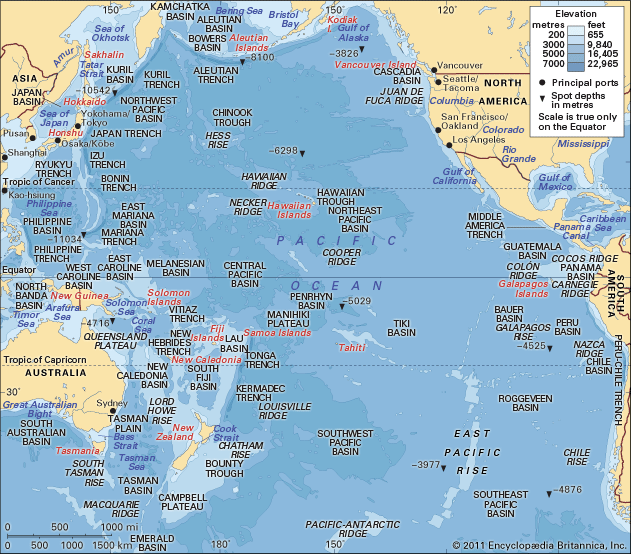
The Tubuai Islands, also known as the Austral Islands, are located in the central South Pacific Ocean and constitute the southernmost archipelago of French Polynesia. They are situated approximately 450 miles (720 km) south of Tahiti.12
The archipelago consists of a chain of islands scattered over an area about 800 miles (1,300 km) long. This group includes five inhabited islands—Tubuai, Rurutu, Raivavae, Rapa, and Rimatara—along with the uninhabited Maria Atoll in the north and the Marotiri Islands at the southern end of the chain. Geologically, the islands are part of a vast, submerged mountain chain that is likely a southeasterly extension of the Cook Islands.12
How has the culture and language of the Tubuai Islands been influenced by both Polynesian and French heritage?
The culture of the Tubuai Islands (Austral Islands) is defined by a unique blend of enduring indigenous traditions and the lasting impact of French colonial administration.
Polynesian Heritage
Polynesian traditions are notably well-preserved in the Tubuai Islands, largely due to the archipelago’s comparative isolation from the more heavily influenced centers of French Polynesia. This cultural resilience is reflected in daily life, where traditional practices remain significant. While missionaries arriving in the late 18th century suppressed many aspects of traditional Polynesian culture—such as certain forms of dance, music, and tattooing—the Tubuai people have maintained a strong connection to their heritage. The population is predominantly Protestant, a legacy of the missionary era that has become an integral part of their modern identity.127
French Influence
The islands were brought under French control between 1880 and 1889, and they now function as an administrative subdivision of French Polynesia. This political integration has introduced French administrative structures and broader cultural exports, including music and television, which are pervasive throughout the region. Despite these external influences, the islands maintain a distinct character, balancing their status as a French territory with the preservation of their indigenous roots.12
What is the climate like in the Tubuai Islands, and how does it affect the local ecosystem?
The Tubuai Islands experience a cooler, more temperate climate compared to the rest of French Polynesia due to their southern latitude. While the region generally features a tropical climate with a warm, rainy season from November to April and a cooler, dry season from May to October, the Tubuai Islands see lower average temperatures, with lows occasionally dropping to 64 °F (18 °C) in September. Throughout the year, the islands maintain high relative humidity, typically ranging between 80 and 90 percent.9
This climate directly shapes the local ecosystem and human activity. The volcanic islands are characterized by relatively low, rounded elevations, which support agriculture such as taro, arrowroot, and market vegetables. The consistent humidity and rainfall patterns are essential for these crops, though the islands’ isolation and specific climatic conditions influence the limited agricultural output. Furthermore, the islands are situated within the trade-wind zone, which influences local weather patterns and contributes to the overall environmental conditions that define this archipelago.219
Sources
- Tubuai Islands — Encyclopædia Britannica
- French Polynesia - Relief — Encyclopædia Britannica
- Australia - Chronological summary — Encyclopædia Britannica
- Îles Sous le Vent — Encyclopædia Britannica
- Tuamotu Archipelago — Encyclopædia Britannica
- Austral Islands — Merriam-Webster
- Polynesian culture — Encyclopædia Britannica
- French Polynesia - Cultural life — Encyclopædia Britannica
- French Polynesia - Climate of French Polynesia — Encyclopædia Britannica
- Tonga - Climate — Encyclopædia Britannica
- Tonga - Plant and animal life — Encyclopædia Britannica
Published on · 3 min read