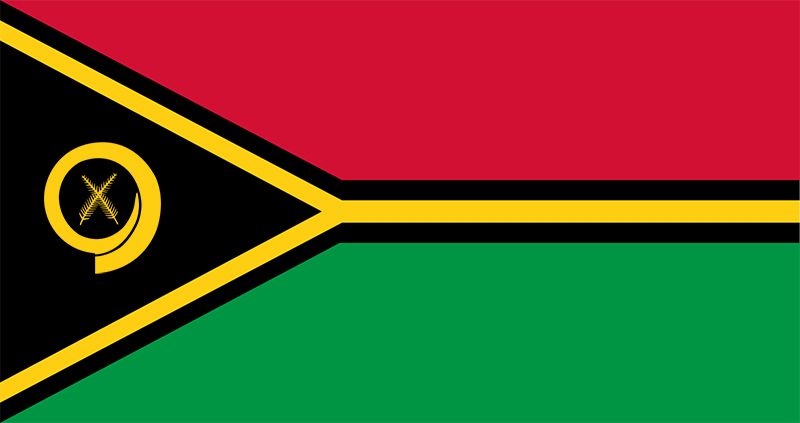
Tanna
On Tanna Island, as throughout much of Vanuatu, daily life is deeply guided by kastom (traditional custom) alongside Christianity.
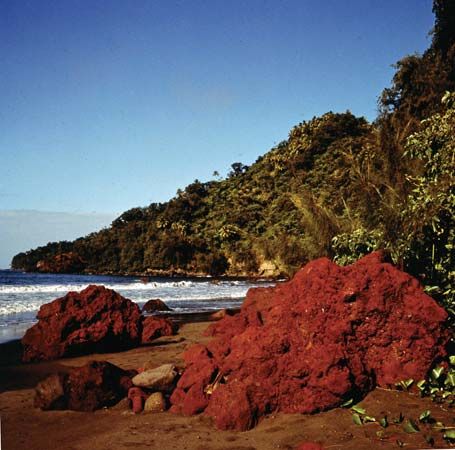
What traditional customs and ceremonies are still practiced on Tanna Island?
On Tanna Island, as throughout much of Vanuatu, daily life is deeply guided by kastom (traditional custom) alongside Christianity.1
A central element of social and spiritual life is the nakamal, or men’s house. In these spaces, men gather nightly to drink kava, a traditional beverage, and communicate with the spirits of their ancestors, who are typically buried nearby. This practice reflects the broader cultural belief that land serves as a physical embodiment of a metaphysical link to the past. Furthermore, many residents utilize magic stones as a means to contact and influence the spiritual realm, which is viewed as an all-pervasive force.1
Additionally, Tanna is well known for the John Frum movement, a prominent cargo cult centered on a messianic figure. This movement represents a unique intersection of traditional belief systems and historical cultural shifts on the island.2
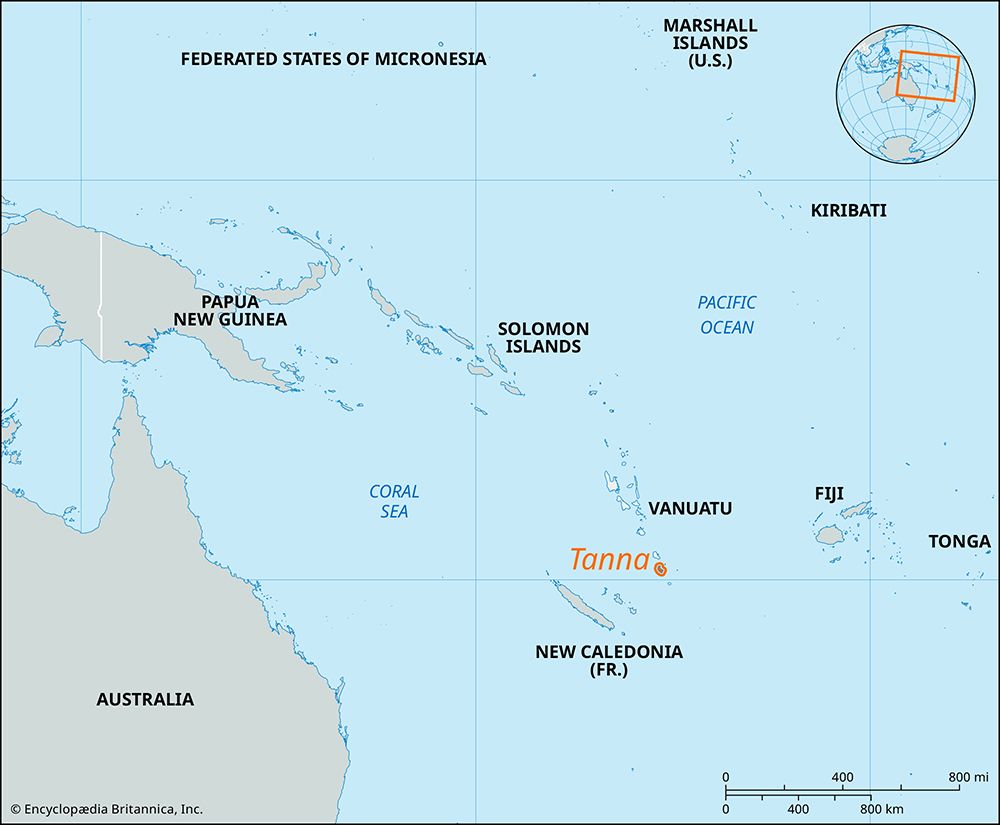
What are the main economic activities on Tanna Island?
Tanna Island, recognized as the most fertile island in Vanuatu, maintains an economy primarily rooted in agriculture. Its key economic activities include:
- Export Production: The island produces copra, coffee, and cattle specifically for export markets.3
- Subsistence Agriculture: Like much of Vanuatu, subsistence farming remains a foundational element of the local economy, providing a reliable fallback for residents during periods of economic fluctuation.4
- Infrastructure and Services: The island supports economic activity through its transportation infrastructure, including an airfield at White Grass in the northwest, which facilitates connectivity and potential service-sector growth.43
While Vanuatu as a whole is working to diversify its economy by expanding into tourism, extractive industries, and manufacturing to mitigate the risks associated with commodity market volatility, Tanna’s specific output remains heavily tied to its fertile volcanic landscape.43
How has Tanna’s history been influenced by European colonization and missionary activity?
The history of Tanna Island was significantly shaped by the era of the New Hebrides condominium, a unique period of joint Anglo-French administration that lasted until the nation’s independence in 1980. This colonial legacy is still visible in the island’s geography, with former French administrative headquarters located at Lénakel and British headquarters at White Sands.78
European influence also arrived through missionary activity and trade. In the 19th century, missionaries sought to alter local societies, though their efforts in the New Hebrides were notably more difficult than in Polynesia due to the absence of centralized chiefly structures, which prevented wholesale conversion. This period was also marked by the exploitative practice of blackbirding, where islanders were often deceived or forced into labor on plantations in Australia, Fiji, and Samoa.91
These external pressures—ranging from missionary attempts to reshape social mores to the disruption caused by traders and labor recruiters—contributed to significant cultural shifts. One notable response to these historical pressures is the John Frum movement, a cargo cult that emerged as a messianic reaction to the changing social and political landscape.98
What role does Mount Yasur, the active volcano on Tanna, play in the island’s ecosystem and tourism?
Mount Yasur, located on the southeast coast of Tanna, is a prominent active volcano that has been erupting almost continuously since at least the 18th century.1
Regarding its role in the island’s environment and tourism:
- Geological Significance: Mount Yasur is a defining feature of Tanna’s volcanic origin. Its ongoing activity is part of the broader structural instability that characterizes the islands of Vanuatu, where volcanic rock predominates.112
- Tourism: While the provided search results highlight that tourism has emerged as a major earner of foreign income for Vanuatu since independence, they do not explicitly detail the specific impact of Mount Yasur on local tourism operations or visitor numbers.3
The Britannica knowledge base does not contain further specific information regarding the volcano’s direct role in the local ecosystem or its specific contribution to the tourism sector beyond its status as a notable active volcano.
Sources
- Tanna — Encyclopædia Britannica
- Vanuatu - Cultural life — Encyclopædia Britannica
- Vanuatu - Economy — Encyclopædia Britannica
- Tonga - Economy of Tonga — Encyclopædia Britannica
- Samoa - Agriculture, forestry, and fishing — Encyclopædia Britannica
- Andaman and Nicobar Islands - Agriculture, forestry, and fishing — Encyclopædia Britannica
- Colonization of Australia - Tasmania — Encyclopædia Britannica
- Pacific Islands - Growth of trading communities — Encyclopædia Britannica
- Pacific Islands - Missionary activity — Encyclopædia Britannica
- Vanuatu — Encyclopædia Britannica
- Blackbirding — Encyclopædia Britannica
- Vanuatu - Land — Encyclopædia Britannica
- Espiritu Santo — Encyclopædia Britannica
Published on · 3 min read