Maéwo
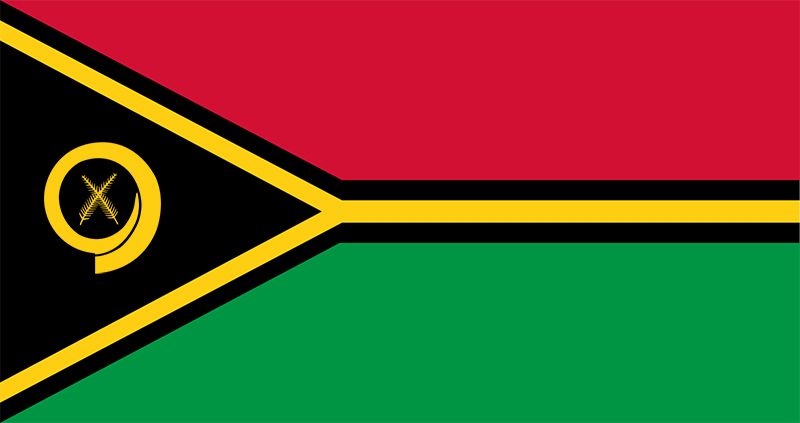
Maéwo is an island belonging to the nation of Vanuatu, located in the southwestern Pacific Ocean. Situated approximately 65 miles (105 km) east of Espiritu…
What is Maéwo?
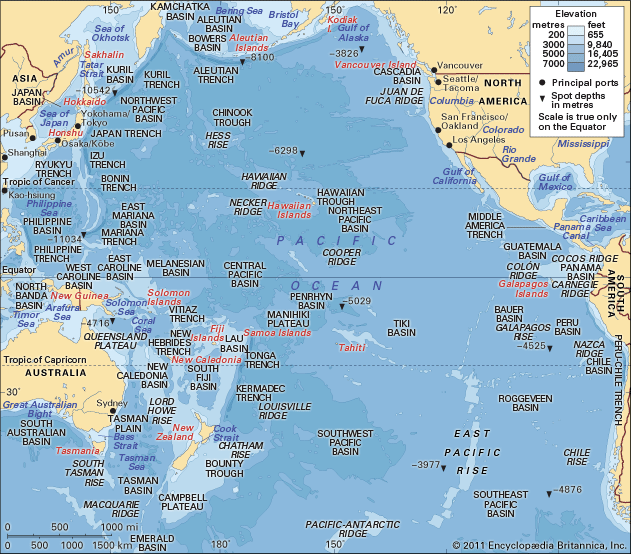
Maéwo is an island belonging to the nation of Vanuatu, located in the southwestern Pacific Ocean. Situated approximately 65 miles (105 km) east of Espiritu Santo, the island is volcanic in origin and spans roughly 100 square miles (260 square km).1
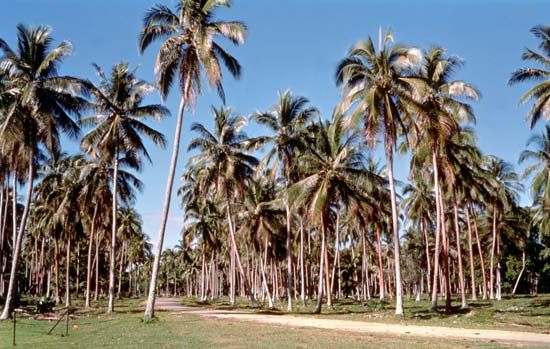
The island features a central mountain range that reaches an elevation of 2,661 feet (811 metres) at Tawoutkararo. Known for being well-wooded and fertile, Maéwo experiences some of the highest annual rainfall in Vanuatu, exceeding 100 inches (2,500 mm). This abundance of water supports numerous streams, and the west coast settlement of Lakarere has historically served as a vital stop for ships requiring fresh water supplies. Additionally, the island offers accessible anchorages at Annmari Bay and Nalolo Bay, as well as an airstrip located in the northwest at Naoné.1
What is the geography of Vanuatu like?
Vanuatu is an archipelago in the southwestern Pacific Ocean consisting of a chain of 13 principal islands and numerous smaller ones, arranged in an irregular Y shape extending 400 miles (650 km) north to south.2
Geological Features
The islands exhibit diverse relief, ranging from rugged mountains and high plateaus to rolling hills, coastal terraces, and offshore coral reefs. The landscape is dominated by volcanic rock and limestone, with frequent earthquakes reflecting ongoing structural instability. Several islands feature active volcanoes, such as Yasur on Tanna and the vents on Ambrym, alongside various submarine volcanoes and fumaroles. The highest point in the country is Tabwémasana, reaching 6,165 feet (1,879 meters) on Espiritu Santo.3
Climate and Vegetation
Vanuatu experiences two distinct seasons: a hot, wet season from November to April and a cooler, drier season from May to October. Rainfall is significant, with annual precipitation ranging from 80 inches (2,000 mm) in the south to 160 inches (4,000 mm) in the north. This climate supports dense rain forest cover, though drier areas feature savanna grasslands.3
How do volcanic islands form in the Pacific?
Volcanic islands in the Pacific primarily form through two distinct geological processes:
Island Arcs
Most volcanic islands in the Pacific are part of island arcs, which are long, curved chains formed at subduction zones. This occurs when two tectonic plates collide; the heavier oceanic plate is forced downward into the mantle beneath the overriding plate. As the descending plate and its accumulated sediments melt, magma rises to the surface, building volcanic islands on the overriding plate. These arcs are frequently associated with deep-sea trenches and intense seismic activity.4567
Hotspots
A smaller number of volcanic islands form far from plate margins due to hotspots—regions where mantle plumes melt through the crust. As a lithospheric plate moves over a stationary hotspot, a chain of volcanoes is created. The Hawaiian Islands are the classic example of this process; the islands become progressively older as their distance from the active hotspot increases, marking the direction of the plate’s historical motion.85
What are some unique cultural traditions in Vanuatu?
Vanuatu’s cultural identity is deeply rooted in kastom (custom), a term encompassing traditional beliefs and practices that coexist with Christianity to guide daily life. Central to this identity is the profound connection to the land, which is viewed as a metaphysical link to the past and a fundamental aspect of being a man ples (a person of the place).9
Key Cultural Traditions
- Kava Ceremonies: In many villages, men gather nightly at a nakamal (men’s house) to consume kava, a traditional beverage made from the root of the pepper plant. This practice serves as a social and spiritual ritual, often used to communicate with ancestors.910
- Graded Societies: Historically, the major socioreligious institution in Vanuatu was the graded society. This hierarchical system allowed individuals to attain prestige through elaborate ceremonies involving the sacrifice of pigs or boars, feast-giving, and the creation of physical memorials, such as intricate slit gongs or fern-wood sculptures.11
- Artistic Expression: Vanuatu is known for its distinct regional art styles, particularly on the islands of Malakula, Pentecost, and Ambrym. Traditions include the carving of geometric fern-wood figures, the creation of elaborate masks, and the use of vegetable compounds to model heads and figures over bamboo frames or skulls.11
Sources
- Maéwo — Encyclopædia Britannica
- Vanuatu — Encyclopædia Britannica
- Vanuatu - Land — Encyclopædia Britannica
- island arc — Encyclopædia Britannica
- hotspot — Encyclopædia Britannica
- volcanism — Encyclopædia Britannica
- volcano - Subduction volcanoes — Encyclopædia Britannica
- Pacific Ocean - Geology — Encyclopædia Britannica
- Vanuatu - Cultural life — Encyclopædia Britannica
- Oceanic art and architecture - Vanuatu — Encyclopædia Britannica
- kava — Encyclopædia Britannica
- Melanesian culture - Contemporary Melanesia — Encyclopædia Britannica
Published on · 3 min read