Tioga Pass
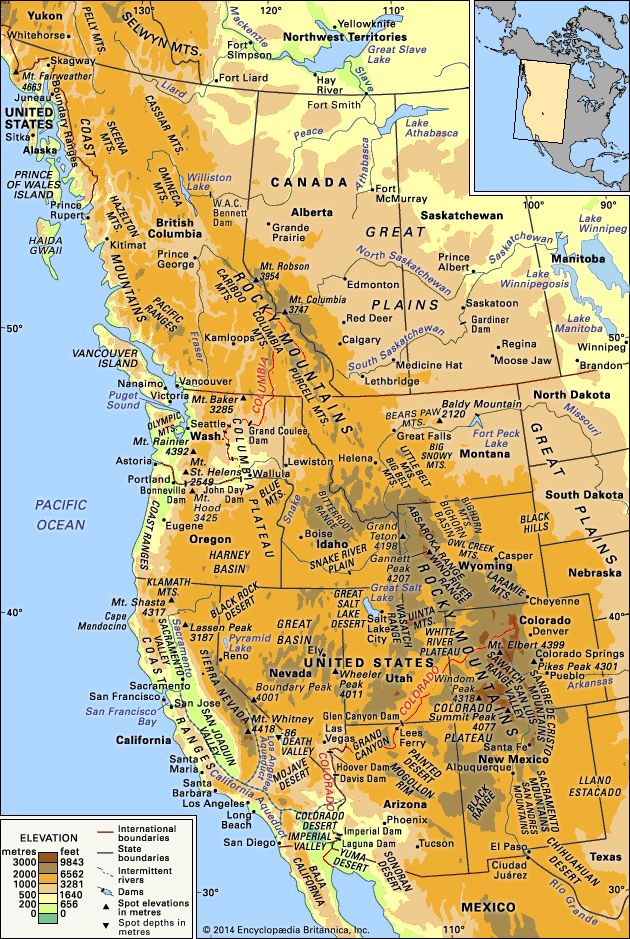
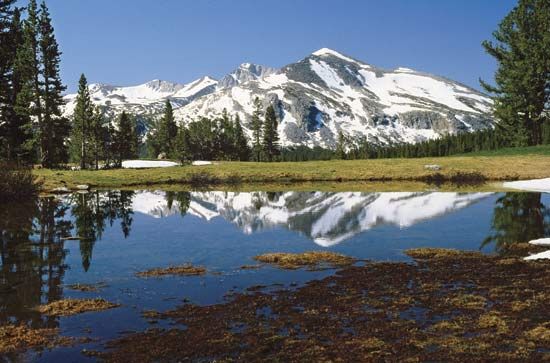
Tioga Pass is the highest roadway across the Sierra Nevada mountains in central California, reaching an elevation of 9,945 feet (3,031 meters).
What is Tioga Pass?
Tioga Pass is the highest roadway across the Sierra Nevada mountains in central California, reaching an elevation of 9,945 feet (3,031 meters).1
Originally established to serve a local mining district, the pass was named around 1878 after the Tioga mine. Today, it serves as the eastern entrance to Yosemite National Park. The area is surrounded by notable landmarks, with the Inyo National Forest located to the east and Devils Postpile National Monument situated to the south.1
How was the Sierra Nevada mountain range formed?
The Sierra Nevada mountain range was formed primarily as an upfaulted, tilted block of the Earth’s crust. The range is characterized by its asymmetry, resulting from a major fault zone along its eastern edge, where the massive block was uplifted and tilted toward the west.3
While the initial uplift began millions of years ago, a significant portion of this process occurred within the last two million years. This tectonic activity created a steep, east-facing escarpment that has been shaped by erosion from wind, rain, frost, and ice, while the western flank features more gentle slopes and massive alluvial fans.3
Beneath the surface, the range is anchored by a batholith—a large body of igneous rock formed by the intrusion and solidification of magma deep underground. The tectonic evolution of the region was further influenced by shifts in plate boundaries, including the development of the San Andreas Fault system, which contributed to the crustal extension and structural development of the broader region.45
What are some other famous landmarks in Yosemite National Park?
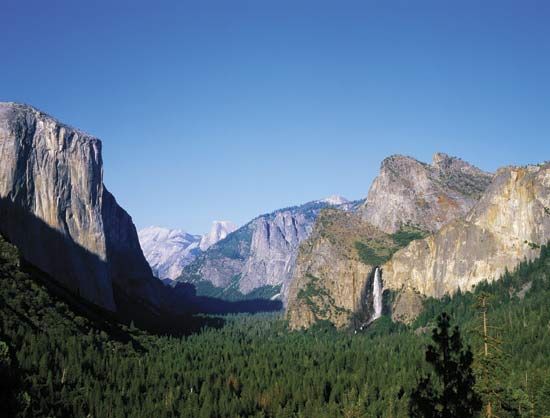
Yosemite National Park is home to several iconic natural landmarks, particularly within the glacially carved Yosemite Valley. Some of the most famous include:
- El Capitan: A massive granite buttress that rises 3,600 feet above the valley floor, serving as a premier destination for climbers.6
- Half Dome: A distinctive granite dome reaching 8,836 feet in elevation, known for providing commanding views of the surrounding landscape.6
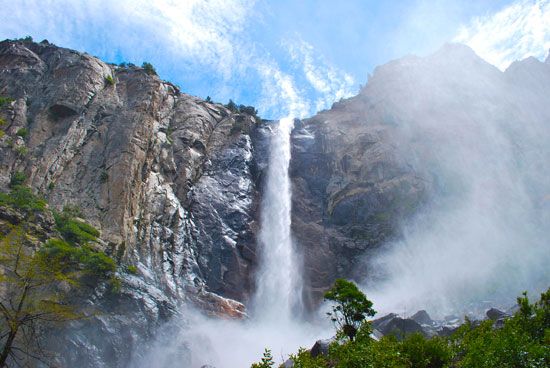
- Yosemite Falls: One of the world’s highest cataracts, this series of three drops totals 2,425 feet in height.76
- Other Waterfalls: The valley features several other notable falls, including Bridalveil, Nevada, Ribbon, and Vernal falls.6
- Mariposa Grove: Located in the southern part of the park, this area is renowned for its groves of giant sequoias.6
- Mount Lyell: At 13,114 feet, it stands as the highest summit within the park.6
How does the elevation of a mountain pass affect the local climate?
The elevation of a mountain pass significantly influences the local climate through several physical processes, primarily driven by changes in temperature, pressure, and the interaction between air masses and terrain.
Temperature and Pressure
As elevation increases, atmospheric temperature typically drops by approximately 0.5 to 0.6 °C (0.9 to 1.1 °F) per 100 meters (328 feet). Consequently, higher mountain passes experience cooler temperatures than the surrounding lowlands. Additionally, atmospheric pressure and humidity decrease with height, while the reduced air overhead leads to higher atmospheric transparency and increased receipt of solar radiation, particularly ultraviolet wavelengths.89
Precipitation and Wind
Mountain passes act as barriers to air masses. When air is forced up windward slopes, it cools and condenses, often resulting in increased precipitation—a phenomenon known as orographic precipitation. Conversely, as air descends on the leeward side, it warms and its relative humidity falls, creating a drier climate known as a rain shadow. Furthermore, mountain valleys and passes can influence wind patterns by “funneling” regional air flows, which can significantly increase wind speeds.9810
Sources
- Tioga Pass — Encyclopædia Britannica
- Upper Yosemite Fall — Encyclopædia Britannica
- Sierra Nevada - Geology — Encyclopædia Britannica
- Tertiary Period - Volcanism and orogenesis — Encyclopædia Britannica
- batholith — Encyclopædia Britannica
- Yosemite Falls — Encyclopædia Britannica
- Yosemite National Park — Encyclopædia Britannica
- Highland climate — Encyclopædia Britannica
- Mountain ecosystem - Environment — Encyclopædia Britannica
- Sierra Madre - Climate — Encyclopædia Britannica
- Atmosphere - Mountain barriers — Encyclopædia Britannica
Published on · 3 min read