Umbrella Pine
It is important to clarify that the term "umbrella pine" refers to two distinct plants. The Mediterranean stone pine (Pinus pinea) is a true pine, while the…
What are the traditional and modern uses of umbrella pine?
It is important to clarify that the term “umbrella pine” refers to two distinct plants. The Mediterranean stone pine (Pinus pinea) is a true pine, while the Japanese umbrella pine (Sciadopitys verticillata) is a unique conifer unrelated to the pine genus.12
Mediterranean Stone Pine (Pinus pinea)
- Traditional and Modern Uses: This tree has been prized since ancient Rome primarily for its edible seeds, known as pignoli. These seeds remain a culinary staple today, valued for their sweet, nutty flavor in Mediterranean cuisine, where they are a key ingredient in pesto, salads, and various baked goods.13
Japanese Umbrella Pine (Sciadopitys verticillata)
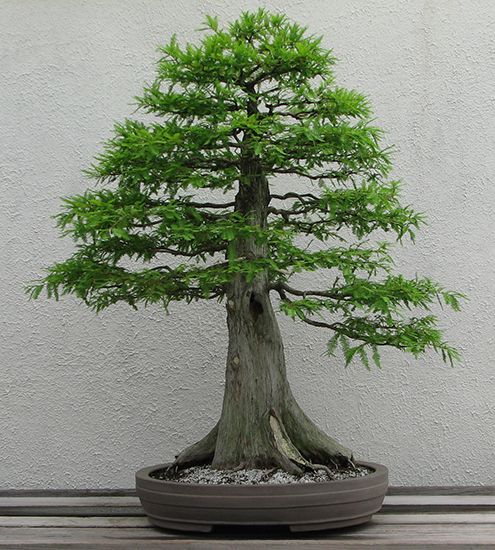
- Traditional and Modern Uses: This species is primarily cultivated as an ornamental plant and is frequently used for bonsai specimens bonsai specimens. Historically and in modern practice, its wood is utilized in boat construction, while its bark is processed into oakum for caulking purposes.42
Are there any significant cultural or historical associations with umbrella pine trees?
The term “umbrella pine” is often used to describe different species, most notably the Japanese umbrella pine (Sciadopitys verticillata) and the Mediterranean stone pine (Pinus pinea).5
While the provided information identifies these trees by their botanical characteristics, it does not detail specific cultural or historical associations beyond their classification. Historically, the stone pine has been a prominent feature of the Mediterranean landscape since antiquity, often depicted in art and literature, while the Japanese umbrella pine is culturally significant in Japan as a distinct, symmetrical conifer often used in traditional garden aesthetics.5
What are the distinctive features of the umbrella pine’s appearance?
The term “umbrella pine” refers to two distinct trees with different physical characteristics.
Japanese Umbrella Pine (Sciadopitys verticillata)
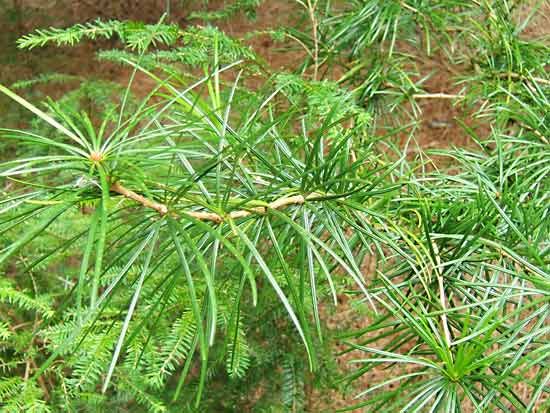
This coniferous evergreen is the only member of its family and is not a true pine. Its distinctive features include:5
- Crown: It possesses a symmetrical, umbrella-like crown.4
- Leaves: It features small, scalelike leaves that adhere closely to its reddish-brown bark.5
- Modified Shoots: It is most notable for its modified shoots, which function as leaves and are arranged in umbrella-like whorls of 15 to 35 at the tips of its twigs.5
- Growth: It is a very slow-growing tree that can reach heights of up to 36 meters (116 feet).5
Mediterranean Stone Pine (Pinus pinea)
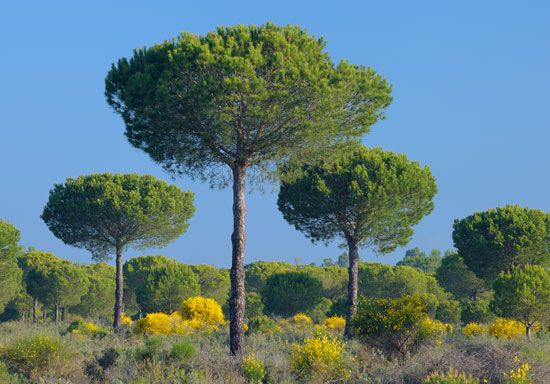
Often called the umbrella pine, this tree is a true pine native to the Mediterranean region. Its appearance is defined by:23
- Canopy: It is characterized by a wide-spreading, rounded, or flat-topped canopy of light green foliage.23
- Trunk: This canopy is typically supported by a tall, often branchless trunk.2
- Landscape Impact: Its unique silhouette is a striking and iconic feature of the Italian landscape.2
What is an umbrella pine tree and where is it native to?
The term “umbrella pine” is commonly used to describe two distinct types of trees:
- Japanese Umbrella Pine (Sciadopitys verticillata): This is a coniferous evergreen endemic to Japan. Despite its name, it is not a true pine but the sole member of its own family, Sciadopityaceae. It is known for its symmetrical, umbrella-like crown and unique modified shoots that function as leaves.54
- Stone Pine (Pinus pinea): Also frequently called an umbrella pine, this species is native to the Mediterranean region. It is a true pine characterized by a tall, often branchless trunk topped with a wide-spreading, rounded canopy. These trees have been cultivated since the time of ancient Rome for their edible seeds, known as pignoli.3
Because the name is applied to both the Japanese species and the Mediterranean stone pine, it is helpful to specify which tree is being referenced to avoid confusion.42
Sources
- pine nut — Encyclopædia Britannica
- pine - Major Eurasian pines — Encyclopædia Britannica
- stone pine — Merriam-Webster
- umbrella pine — Encyclopædia Britannica
- umbrella pine — Merriam-Webster
- pine - Physical description and natural history — Encyclopædia Britannica
Published on · 3 min read