Bonsai
Bonsai is the art of growing and training living dwarf trees or shrubs in containers, or the specimens themselves. It is a common misconception that these…
What is bonsai?
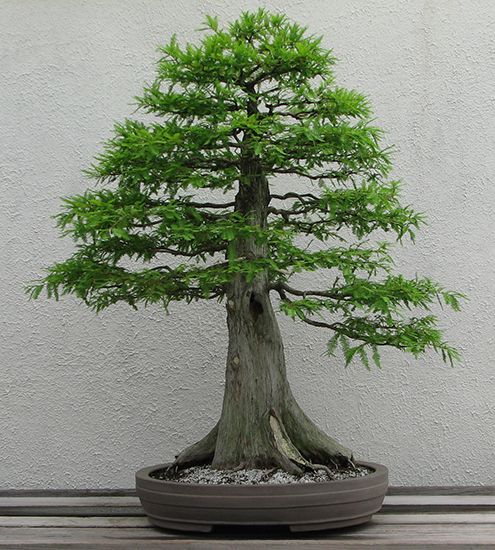
Bonsai is the art of growing and training living dwarf trees or shrubs in containers, or the specimens themselves. It is a common misconception that these are hereditary dwarfs; in reality, they are ordinary plants dwarfed through systematic pruning of roots and branches, as well as training branches using wire.12
Originating in China, the practice was further developed primarily by the Japanese. The art draws inspiration from trees in nature that remain gnarled and small due to harsh, rocky environments. Practitioners prize an aged, weathered appearance, which reflects the philosophical concept of the mutability of all things.12
Bonsai specimens require diligent care, including daily watering, regular fertilization, and periodic repotting to maintain their size in shallow earthenware pots. These trees can live for over a century, often becoming cherished family heirlooms.12
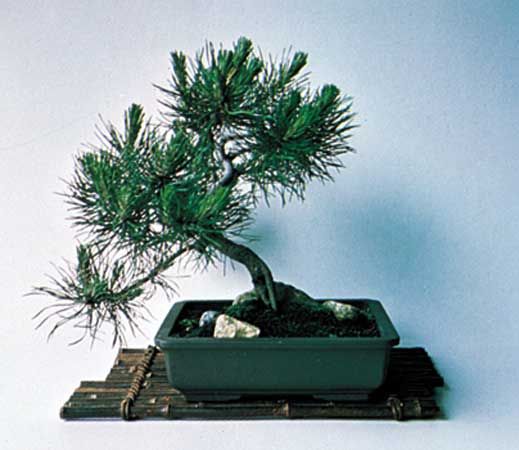
How does bonsai differ from ordinary potted plants?
While ordinary potted plants are typically grown to reach their natural size and form within a container, bonsai are ordinary trees or shrubs intentionally kept in a miniature state through rigorous horticultural techniques.
The primary differences include:
- Intentional Dwarfing: Unlike standard houseplants, bonsai are not hereditary dwarfs. They are kept small through the systematic pruning of roots and branches, which restricts growth and maintains a specific scale.12
- Structural Training: Bonsai practitioners use wire to shape branches into specific, naturalistic forms that mimic the gnarled appearance of trees growing in harsh, rocky environments.12
- Specialized Maintenance: Bonsai require intensive, ongoing care, including daily watering, regular fertilization, and periodic repotting with gradual root pruning to fit into shallow earthenware containers.1
- Aesthetic Philosophy: While ordinary plants are often kept for decoration or growth, bonsai are cultivated to embody the philosophical concept of the mutability of all things, often becoming long-lived heirlooms that are carefully oriented toward a specific “viewing side”.12
What are common tree species used for bonsai?
While the specific species used for bonsai are diverse, the art generally favors hardy varieties that can thrive outdoors year-round in mild climates. When selecting a plant, practitioners prioritize those that naturally possess features conducive to the aesthetic of scale, such as:
- Conifers: Varieties with naturally short needles are highly favored to maintain the illusion of a miniature, mature tree.1
- Deciduous Trees: Species that feature relatively small leaves are preferred to ensure the foliage remains in proportion to the container.1
- Flowering and Fruiting Varieties: Plants that produce small flowers or small fruits are often chosen to enhance the visual appeal and naturalistic character of the specimen.1
Ultimately, the most successful bonsai specimens are those that can adapt to the rigorous process of root and branch pruning required to maintain their miniature size. Because the art emphasizes an aged, weathered appearance, species that develop gnarled trunks or interesting bark textures as they mature are particularly prized.1
How are bonsai trees shaped and maintained?
Bonsai trees are shaped and maintained through a combination of rigorous horticultural techniques designed to restrict growth and mimic the appearance of mature trees in nature.1
Shaping and Training
- Branch Training: Practitioners use wire to tie and bend branches into specific, naturalistic shapes, such as those found on trees growing in rocky mountain crevices or overhanging cliffs.1
- Pruning: Throughout the growing season, shoots are nipped and branches are pruned to maintain the desired scale and open space between foliage masses.1
- Aesthetic Orientation: Trees are trained to have a specific “front” or viewing side, which is oriented toward the observer when the bonsai is on display.1
Maintenance and Care
- Root Management: Bonsai must be repotted every one to five years. During this process, the roots are gradually pruned to reduce the size of the soil ball, allowing the tree to thrive in a small, shallow earthenware container.1
- Daily Needs: Maintenance requires consistent daily watering and the use of liquid fertilizer to support the tree within its restricted environment.1
Sources
- bonsai — Encyclopædia Britannica
- Did you know? — Merriam-Webster
- gardening - Training and pruning — Encyclopædia Britannica
Published on · 3 min read