South America
South American culture is characterized by a vibrant fusion of Indigenous, European, and African influences, resulting in a diverse regional identity.
What are some unique cultural aspects of South American countries?
South American culture is characterized by a vibrant fusion of Indigenous, European, and African influences, resulting in a diverse regional identity.123
Cultural Synthesis and Traditions
- Religious Syncretism: Many South American populations practice Roman Catholicism, often blended with Indigenous or African traditions. For example, in Brazil, millions combine Catholicism with African-derived religions like Candomblé and Macumba. In the Andes, Catholic holidays frequently incorporate pre-Columbian rites, such as the synchronization of Corpus Christi with the Inca solstice ceremony, intiraymi.452
- Language and Identity: Paraguay maintains a unique cultural identity where the Guaraní language is more widely spoken than Spanish, emphasizing a strong continuity of Indigenous customs.3
- Dance and Music: Regional dances often serve as symbols of national identity. The zamacueca evolved into various forms like the Chilean cueca and Peruvian marinera, often featuring handkerchiefs to enact courtship mimes. Instruments like the charango—a hybrid stringed instrument—exemplify the blending of European and Indigenous influences.162
Social and Culinary Customs
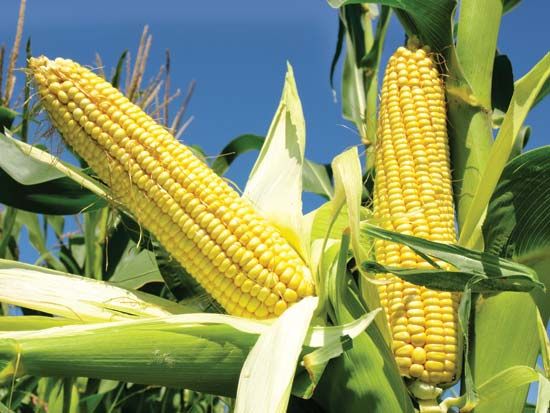
- Gastronomy: Corn is a culinary staple across the continent. National dishes often reflect local history, such as Brazil’s feijoada completa, which combines rice, black beans, and various meats.7
- Traditional Attire: In Bolivia, traditional dress remains significant; for instance, the pollera (layered skirt) and regional hat styles serve as markers of identity and marital status.2
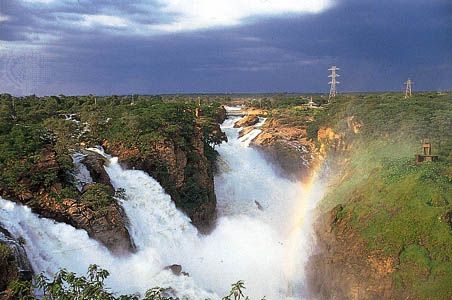
How does South America’s climate vary from region to region?
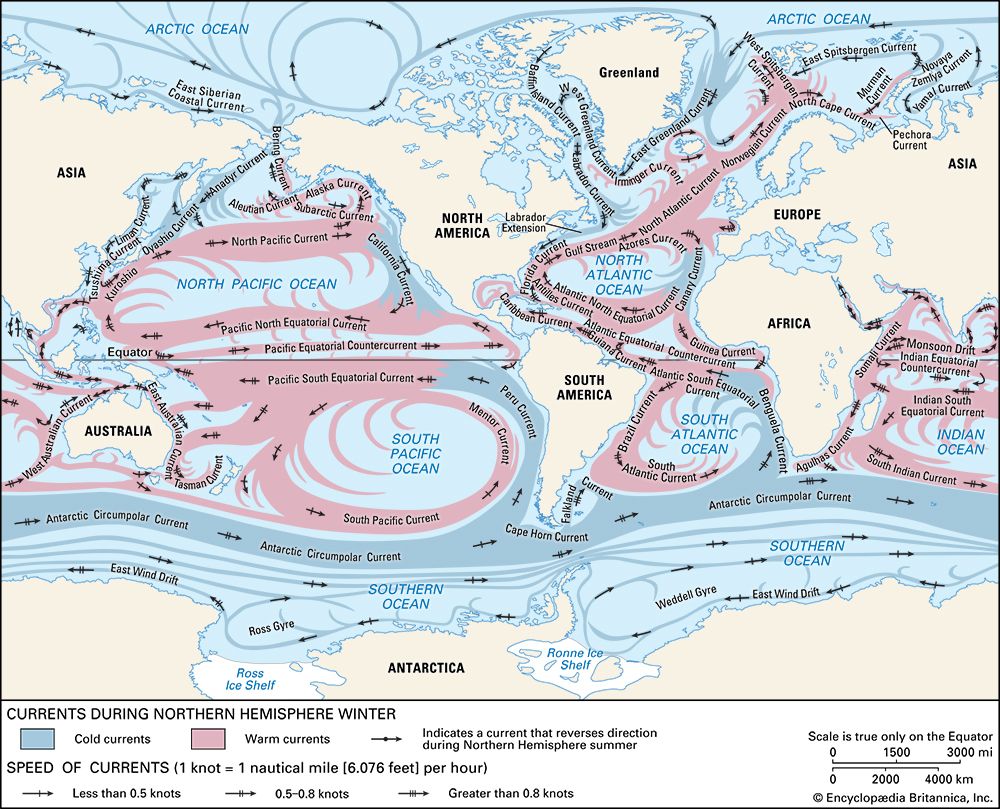
South America’s climate is shaped by three primary factors: the seasonal migration of subtropical high-pressure air masses, the influence of ocean currents, and the orographic barrier of the Andes Mountains.10
Key Climatic Influences
- Pressure Systems: The intertropical convergence zone (ITCZ) drives seasonal precipitation in tropical zones, while semipermanent anticyclones over the oceans dictate wind patterns and stability.10
- Ocean Currents: The cold Peru (Humboldt) Current stabilizes air along the Pacific coast, contributing to the extreme aridity of the Atacama Desert. Conversely, the Atlantic coast is influenced by warmer currents that bring higher humidity.1011
- Topography: The Andes act as a barrier to moisture. In the south, the westerlies release moisture on the windward side, creating a rain shadow that results in the arid Patagonia region.10
Regional Variations
- Amazonia: This region is characterized by warm, humid conditions with high annual rainfall. While generally consistent, the area experiences a “winter” at night and occasional friagem—cold air mass incursions from the south.12
- High Andes: Climate here is defined by vertical zones, ranging from tierra caliente at the base to freezing tierra helada at the summits. High-altitude areas experience significant daily temperature fluctuations and, in the central and southern Andes, long, harsh dry seasons.1013
How many countries make up South America, and can you name some of the largest ones?
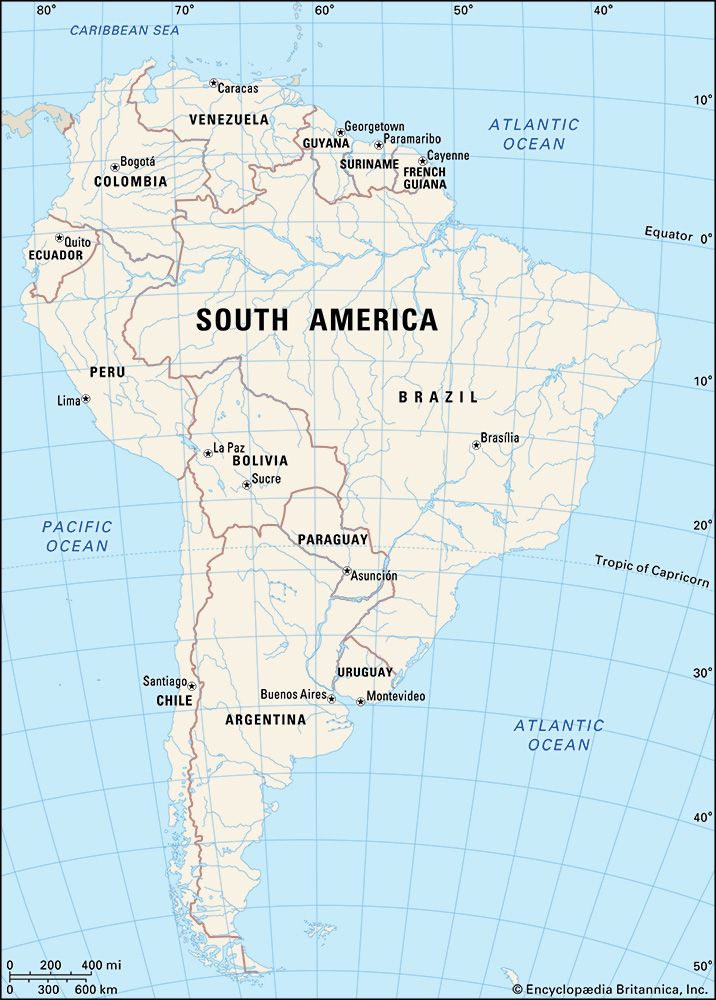
South America consists of 13 primary political entities, including 12 sovereign countries and one territory, French Guiana, which is a département of France.14
The continent is home to several large nations, with Brazil being the largest by a significant margin. Covering nearly half of the continent’s landmass, Brazil is the fifth-largest country in the world. Other major countries in terms of land area and population include Argentina, Colombia, and Peru.151614
The full list of countries and territories includes:
- Argentina
- Bolivia
- Brazil
- Chile
- Colombia
- Ecuador
- French Guiana
- Guyana
- Paraguay
- Peru
- Suriname
- Uruguay
- Venezuela14
What are the major geographical features of South America?
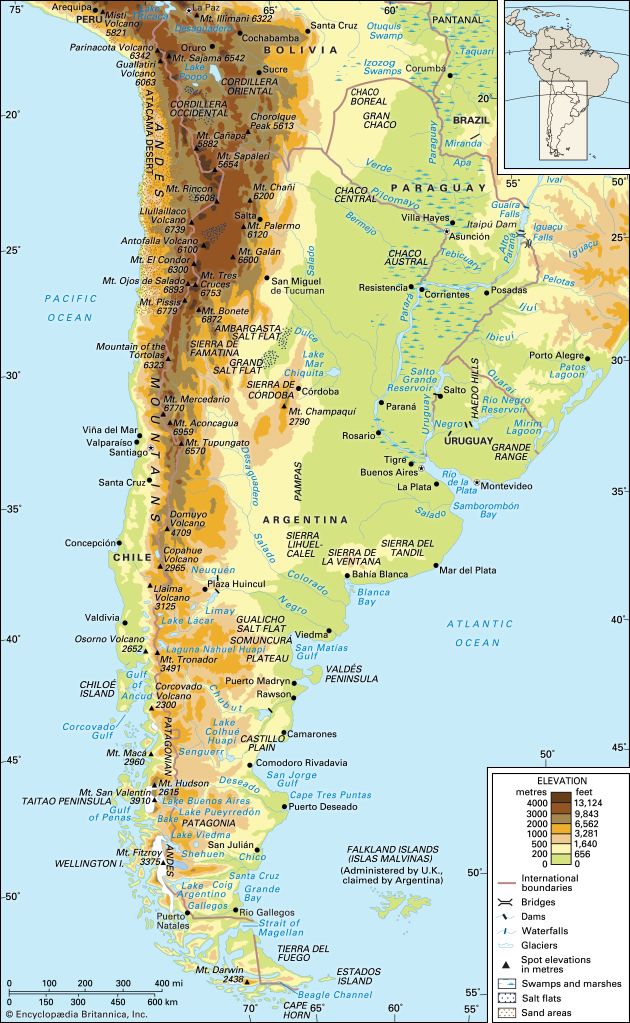
South America is defined by a diverse array of geographical features, characterized by a stark contrast between its massive mountain systems, expansive river basins, and ancient highlands.19
Major Mountain Systems
The most prominent feature is the Andes Mountains, a geologically young cordillera that stretches approximately 5,500 miles along the entire western margin of the continent. This system contains the highest peaks in the Western Hemisphere, including [Mount Aconcagua](https://www.britannica.com/place/Mount Aconcagua). The Andes act as a major climatic and drainage barrier, separating the narrow Pacific coastal strip from the rest of the continent.1920
Highlands and Plateaus
To the east and north, the landscape is dominated by older, lower-elevation formations:
- Guiana Highlands: Located in the north, these ancient formations slope gently toward the interior.19
- Brazilian Highlands: Situated in the east, these highlands are a central feature of the continent’s relief.19
- Patagonia: Found in the southern tier, these plateaus are characterized by a rain shadow effect caused by the Andes, resulting in arid desert and semidesert conditions.1921
Lowlands and River Basins
Vast, sediment-filled basins separate the highlands and provide the continent’s primary drainage systems, which flow predominantly toward the Atlantic Ocean:1910
- Amazon Basin: The world’s largest drainage basin, covering about 34 percent of the continent and housing the Amazon Rainforest.1722
- Río de la Plata System: Comprising the Paraguay, Paraná, and Uruguay rivers, this system drains the southern plains, including the Pampas.1923
- Orinoco River Basin: Located in the north, this system drains the Llanos plains.1923
Sources
- Native American dance - The Andean region — Encyclopædia Britannica
- Indigenous peoples of the Americas - Colonization and conquest — Encyclopædia Britannica
- Latin American dance - Dances of national identity (1800–1940) — Encyclopædia Britannica
- South America - Religious patterns — Encyclopædia Britannica
- Native American religions - South America — Encyclopædia Britannica
- Native American dance - The southern plains — Encyclopædia Britannica
- Bolivia - Traditional culture — Encyclopædia Britannica
- gastronomy - Latin American — Encyclopædia Britannica
- Paraguay: Top Questions — Encyclopædia Britannica
- South America - Factors influencing climate — Encyclopædia Britannica
- Amazon River - Climate — Encyclopædia Britannica
- Atacama Desert — Encyclopædia Britannica
- South America - Cold climates — Encyclopædia Britannica
- Map of South America — Encyclopædia Britannica
- Brazil — Encyclopædia Britannica
- Brazil: Top Questions — Encyclopædia Britannica
- Argentina: Top Questions — Encyclopædia Britannica
- South America - Geologic history — Encyclopædia Britannica
- South America - Relief — Encyclopædia Britannica
- Andes Mountains — Encyclopædia Britannica
- South America - Rivers of South America — Encyclopædia Britannica
- South America - Climate — Encyclopædia Britannica
- South America - Soils — Encyclopædia Britannica
- Amazon River: Top Questions — Encyclopædia Britannica
- Amazon basin — Encyclopædia Britannica
- Amazon River — Encyclopædia Britannica
Published on · 4 min read