Ural Mountains
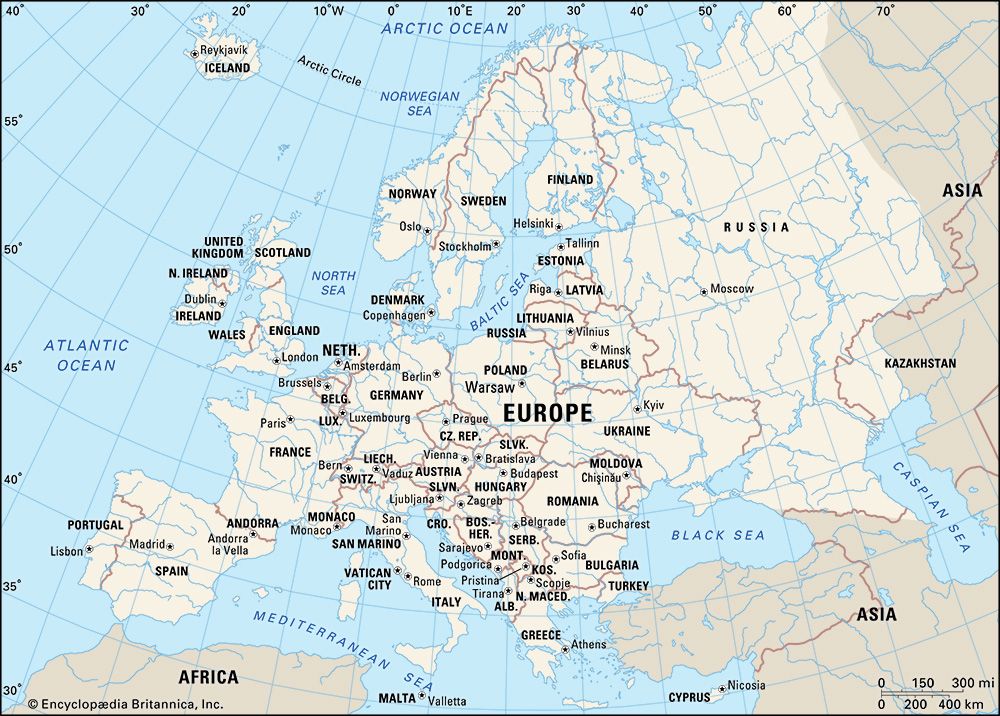
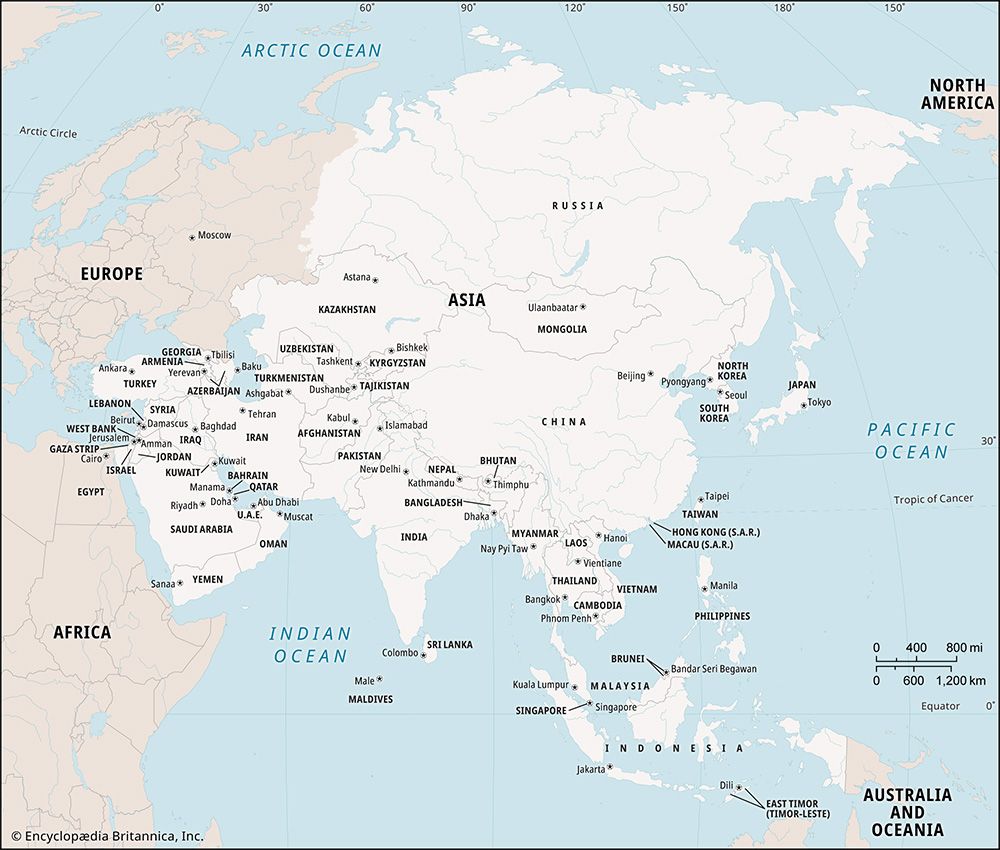
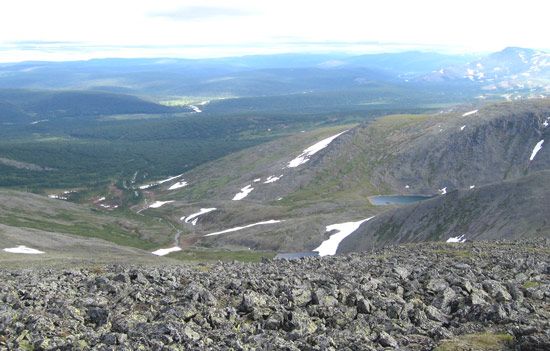
The Ural Mountains are a rugged mountain range that serves as the traditional physiographic boundary between Europe and Asia.
Where are the Ural Mountains located, and what countries do they span?
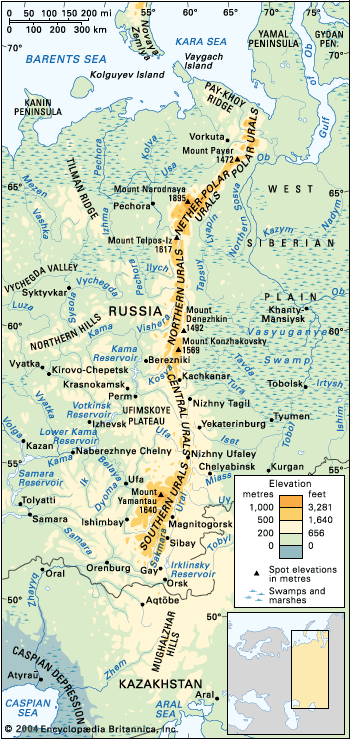
The Ural Mountains are a rugged mountain range that serves as the traditional physiographic boundary between Europe and Asia.1
The range primarily spans across west-central Russia, extending approximately 1,550 miles from the Ural River in the south to the Pay-Khoy Ridge in the north. Additionally, the Mughalzhar Hills—a southern extension of the broader Uralian orogenic belt—are located in northwestern Kazakhstan.1
What is the history of human settlement in the Ural Mountains region?
Human habitation in the Ural Mountains dates back to the distant past, with the region serving as a historical crossroads for various cultures. During the Neolithic and Bronze Ages, the area was linked to northern Russian, western Siberian, and Aral Sea cultures. Notable archaeological finds from the 3rd and 2nd millennia BCE, such as wood sculptures of elk and water birds found in peat bogs, highlight the region’s early artistic traditions.23
Indigenous groups have long inhabited the range, including the Nenets in the north, the Komi, Mansi, and Khanty in the central and northern areas, and the Bashkir in the south. While these groups traditionally practiced reindeer herding, hunting, fishing, and horse breeding, they now constitute only about one-fifth of the total population.2
Russian presence grew significantly following the 17th-century discovery of the region’s mineral wealth. Industrialization accelerated during World War II, when many industrial plants were relocated to the Urals. Today, the majority of the population is Russian, concentrated in urban industrial centers like Yekaterinburg, Chelyabinsk, Perm, and Ufa.24
What natural resources are found in the Ural Mountains, and how have they impacted the region’s economy?
The Ural Mountains are exceptionally rich in mineral resources, which have fundamentally shaped the region’s economy and industrial development since their discovery in the 17th century.47
Mineral Wealth
The eastern slopes are particularly noted for metallic ores, including magnetite, copper, nickel, bauxite, chromite, gold, and platinumcom/science/gold), and platinum. The region also yields nonmetallic resources such as asbestos, talc, and various gemstones like amethyst and emerald. Western deposits are characterized by potassium salts, petroleum, and natural gas, while coal is mined on both slopes.4
Economic Impact
This mineral abundance established the Urals as a primary center for mining, metallurgy, machine building, and chemical industries. Following the relocation of industrial plants during World War II, the region became a critical industrial backbone for the nation. Major urban centers like Yekaterinburg, Chelyabinsk, and Perm remain vital hubs for these sectors.452
However, this industrialization has carried significant ethical and environmental costs. The production of plutonium in the Southern Urals led to severe radioactive waste contamination, causing long-term health crises for local populations, which underscores the profound human impact of prioritizing industrial output over environmental safety.4
What role do the Ural Mountains play in separating Europe and Asia?
The Ural Mountains serve as the primary traditional physiographic boundary between Europe and Asia. This division is a historical and cultural construct rather than a rigid physical barrier, as the mountains do not significantly impede movement between the two continents.189
Geographically, the boundary is defined by agreement among geographers as a line extending south from the Arctic Ocean along the spine of the Ural Mountains. From the southern end of the range, the boundary continues southwest along the Ural River toward the Caspian Sea.19
The mountains themselves are the result of a massive tectonic collision between the European and Asian continents that occurred during the Permian Period, forming the Uralian orogenic belt. Despite their role as a continental divide, the system is characterized by broken, parallel ridges and low passes that have historically facilitated travel and trade between the Russian Plain and Siberia.108
Sources
- Ural Mountains — Encyclopædia Britannica
- Ural Mountains - People of the Ural Mountains — Encyclopædia Britannica
- Stone Age - Asian cultures — Encyclopædia Britannica
- Ural Mountains - Economy — Encyclopædia Britannica
- Ural Mountains - Study and exploration — Encyclopædia Britannica
- the Steppe - Early patterns of migration — Encyclopædia Britannica
- Russia - Resources and power — Encyclopædia Britannica
- Europe - Uralian orogenic belt — Encyclopædia Britannica
- Russia - The Ural Mountains — Encyclopædia Britannica
- Asia — Encyclopædia Britannica
- Ural Mountains - Climate of the Ural Mountains — Encyclopædia Britannica
Published on · 3 min read